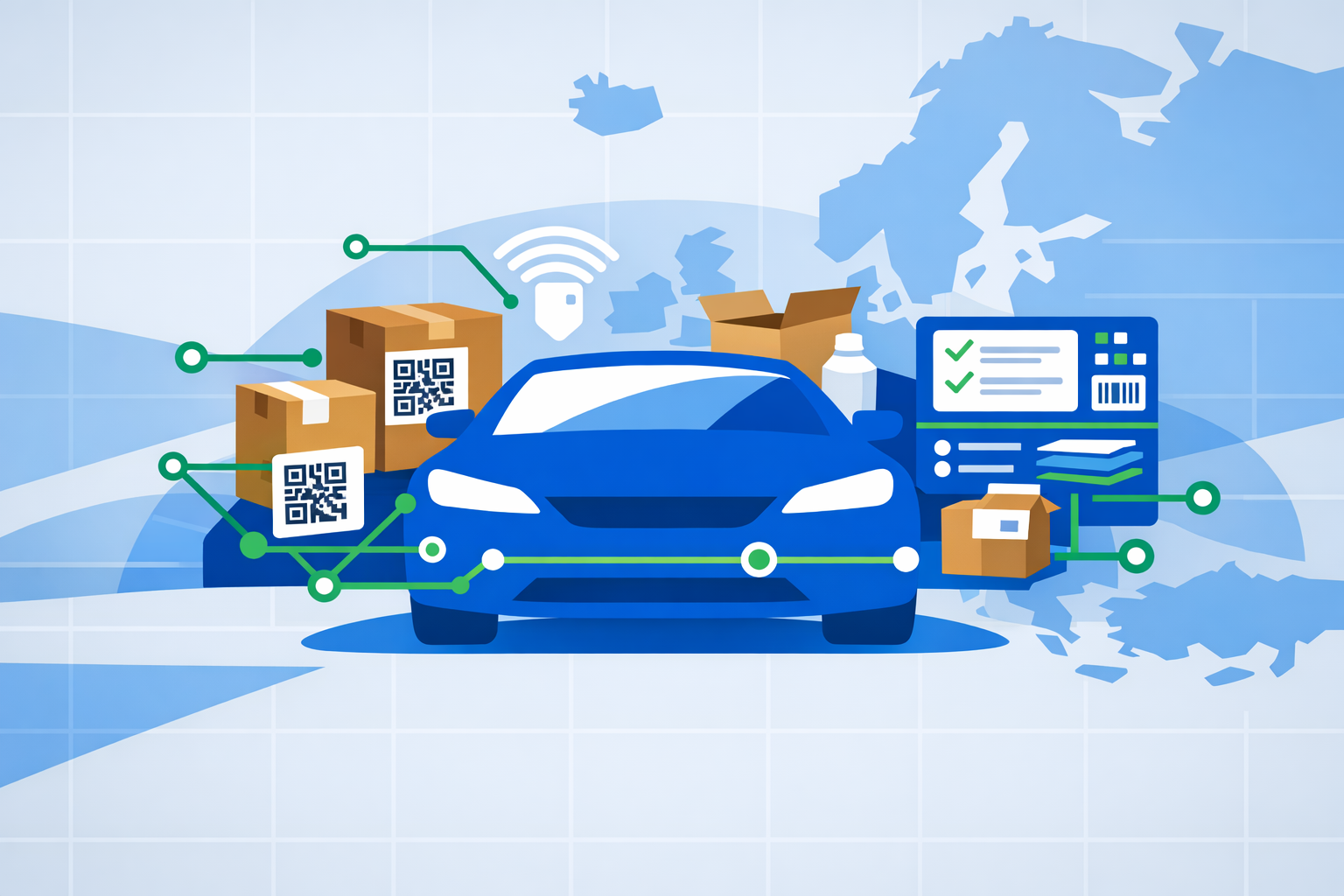
AI-driven in-line packaging systems are expanding across auto parts distribution centers in 2026, as logistics operators and automotive suppliers deploy the technology to reduce material waste, cut unplanned downtime, and address persistent labor constraints. The rollouts coincide with rising regulatory pressure from the EU's Packaging and Packaging Waste Regulation (PPWR) and growing aftermarket e-commerce volumes that demand faster, more precise fulfillment.
Background
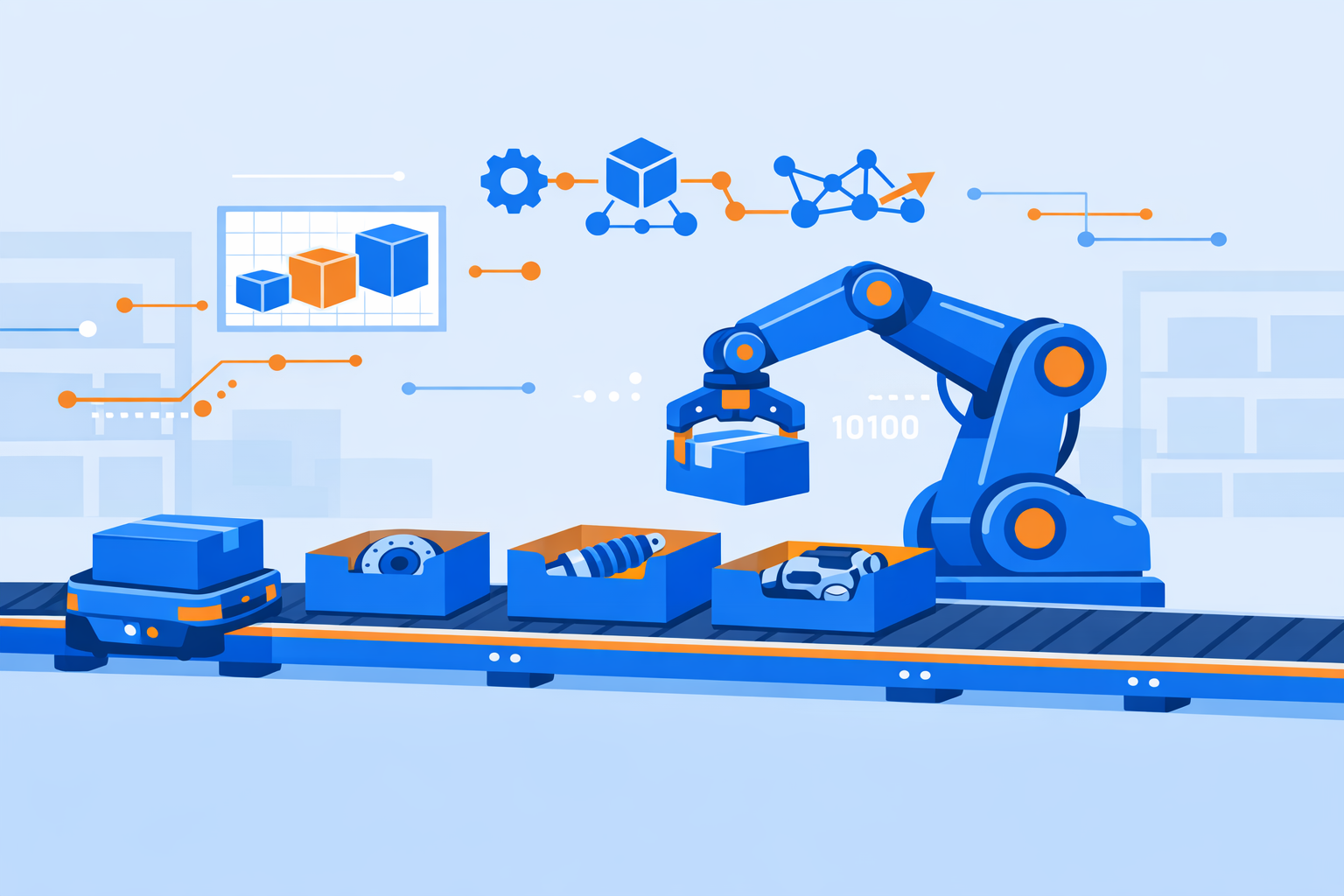
Packaging has historically been a siloed function within the automotive supply chain, evolving more slowly than adjacent operations. That gap is becoming harder to ignore as existing packaging proves incompatible with logistics automation. With automated mobile robots, robotic picking systems, and other automated technologies replacing manual handling, traditional packaging solutions are becoming a bottleneck.
The automotive packaging market is forecast to expand from $10.10 billion in 2026 to $16.21 billion by 2035, growing at a CAGR of 5.4%. The AI-driven packaging sector, valued at $2.7 billion in 2024, is expected to reach $6.47 billion by 2034 at a CAGR of 10.28%.
These growth trajectories reflect parallel pressures: the automotive parts and components logistics segment held a 65% market share in 2025 within the broader automotive logistics market and is set to expand at a CAGR of over 7.6% through 2035.
Details
The latest generation of AI in-line packaging systems integrates computer vision, real-time cartonization algorithms, and predictive maintenance into continuous packaging workflows. Advanced cubing algorithms analyze data in real time to tailor packaging for each product-adapting pack sizes based on dimensions, weight, fragility, and shipping destination, according to GlobalData.
According to PMMI's 2026 report, Building an AI Advantage in Packaging Equipment, some of the greatest benefits of AI stem from its ability to share knowledge, predict maintenance needs, meet regulations, and make data easier to interpret. Rather than simply piloting AI, more companies are integrating it into everyday operations to optimize production lines, catch problems early, and support better decision-making.
In auto parts specifically, AI quality control has been shown to reduce scrap rates by 37%, saving approximately $450,000 annually for a typical engine parts line, according to a Gitnux industry data report. AI logistics routing saves an estimated 18% on shipping costs for parts, amounting to $1.1 million per 100,000 shipments, the same report found.
The integration of IoT-enabled sensors in automated packaging machinery presents a $3.2 billion opportunity by 2026. These systems provide real-time monitoring of packaging quality, machine performance, and predictive maintenance alerts, reducing downtime by up to 30%.
Major logistics providers are accelerating automation investment across their networks. DHL Supply Chain has rolled out close to 10,000 automation and digitalization projects globally and integrated over 8,000 collaborative robots into its operations. UPS deployed automation in 57 buildings in Q4 2025, bringing its total to 127 automated buildings, and expects 68% of U.S. volume to flow through automated facilities by the end of 2026.
Adoption barriers remain, however. High implementation costs pose a significant restraint. Integrating AI into packaging processes requires substantial investment in infrastructure, software, and skilled personnel-a particular challenge for small and medium-sized enterprises. Managing and interpreting AI-generated data demands specialized expertise, making workforce upskilling critical for organizations seeking to fully harness the technology's potential.
Outlook
In 2026, AI is transitioning from optional enhancement to expected component across planning, transportation, warehousing, and supplier management workflows. Industry events including PACK EXPO International 2026 are expected to showcase further case studies on ROI timelines and integration strategies for AI packaging in automotive logistics. The Packaging and Packaging Waste Regulation, deposit return systems, and digital product passports will continue adding compliance pressure that favors automated, data-driven packaging operations.