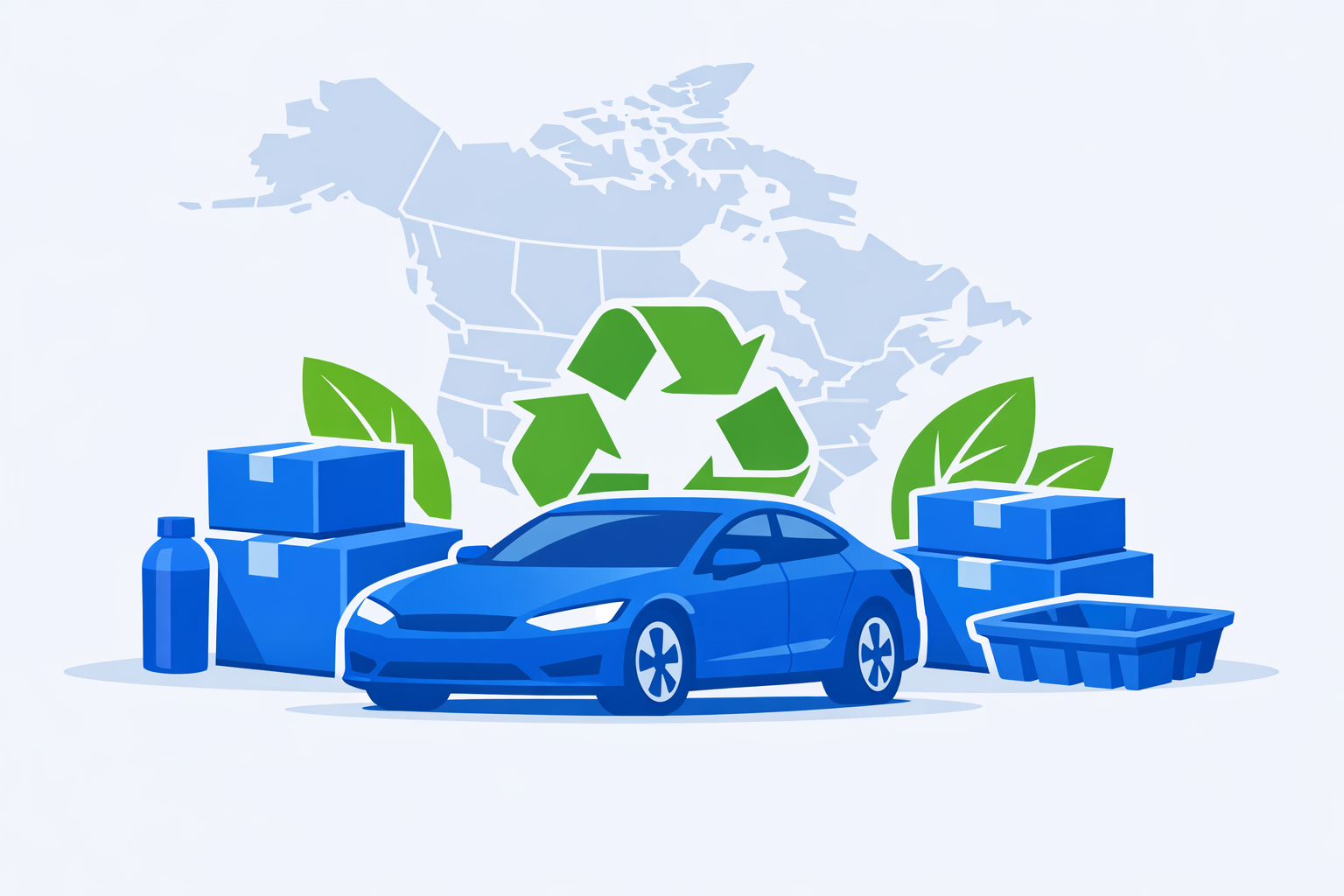
U.S. Auto Suppliers Brace for Federal Standard on Interior Recycled Plastics
U.S. auto suppliers brace for a federal recycled-plastics standard in vehicle interiors, raising traceability, supply, and compliance questions.

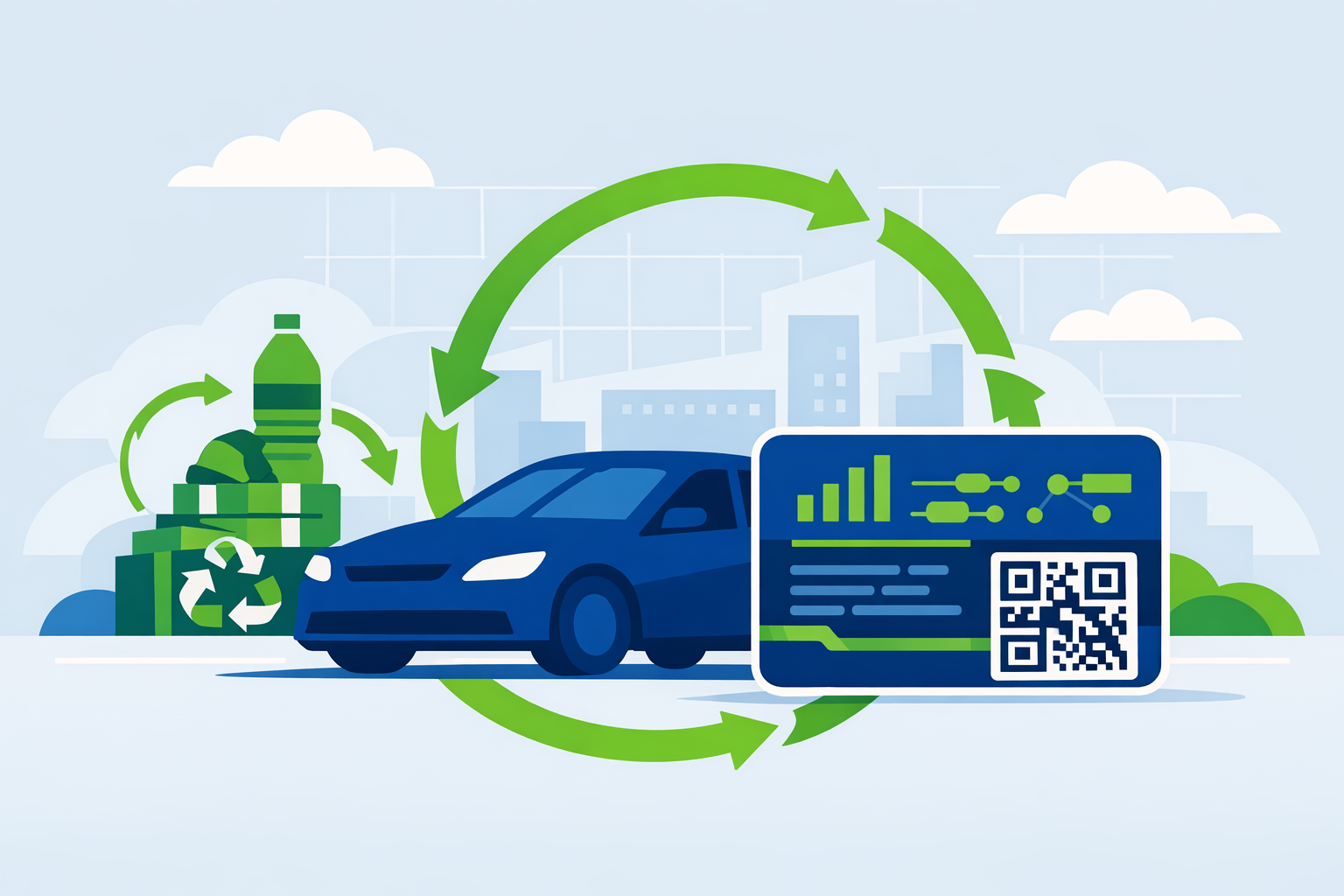
The EU is extending its Digital Product Passport framework to automotive packaging, requiring OEMs and suppliers to build granular material traceability data pipelines by 2028-2030.

U.S. auto suppliers brace for a federal recycled-plastics standard in vehicle interiors, raising traceability, supply, and compliance questions.

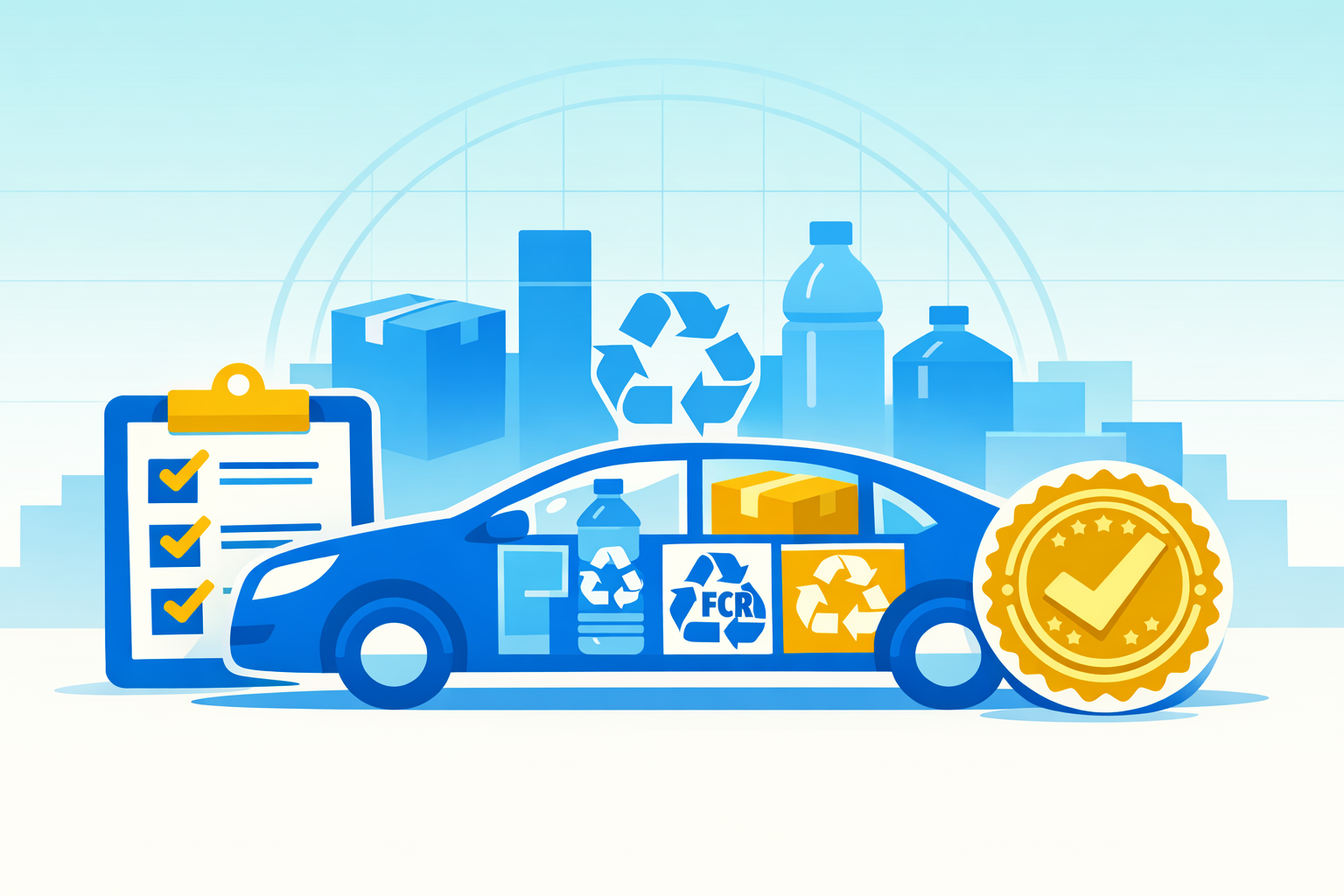
EU PPWR and ESPR now target automotive packaging, requiring verified recycled-plastics data and Digital Product Passports. Key compliance deadlines run 2026-2030.

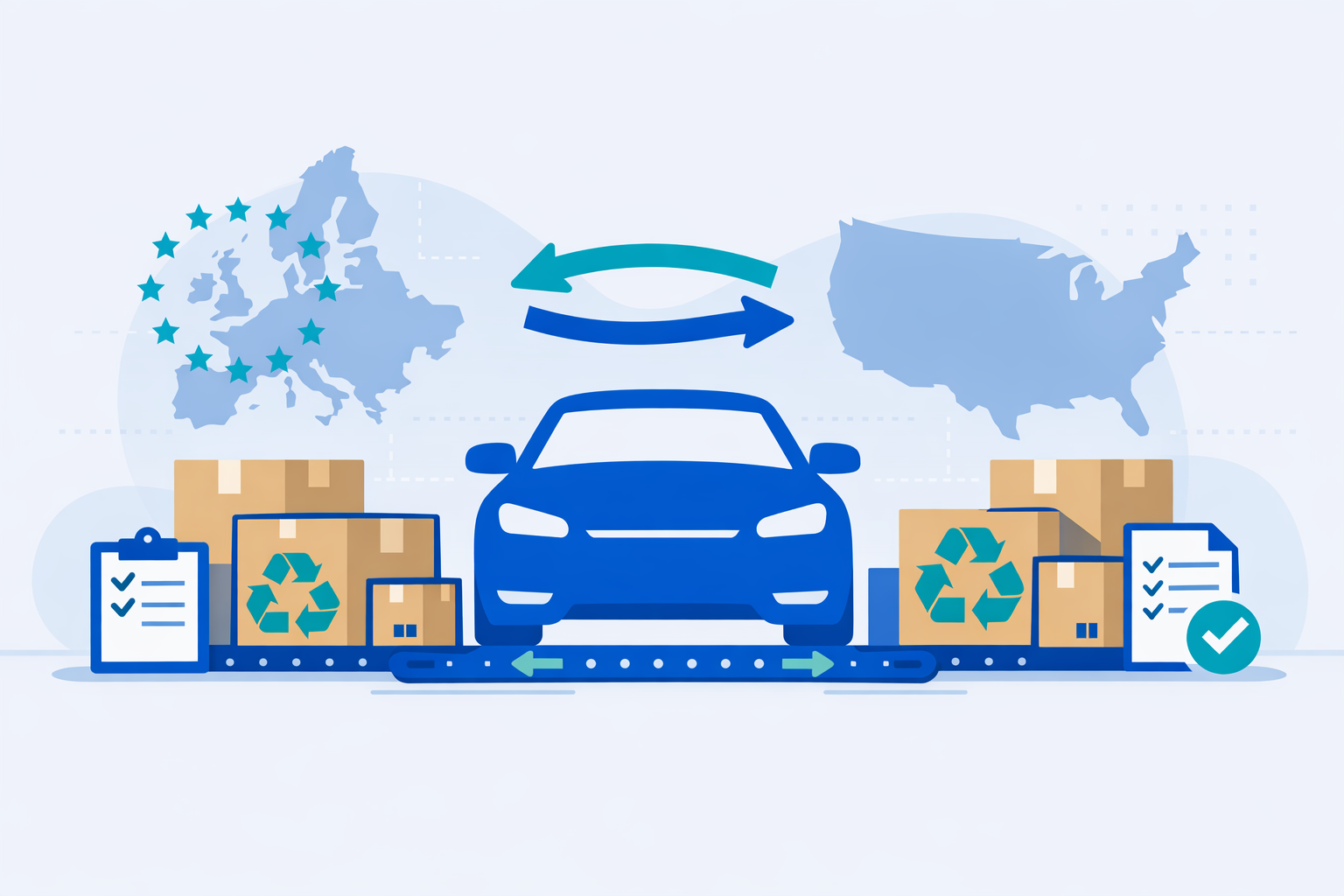
U.S. federal agencies and industry groups push unified recycled-plastic standards for vehicle interiors amid EU mandates and state-level compliance fragmentation.

International Paper broke ground on a $225M corrugated packaging facility in Brandon, MS, signaling major capacity shifts for auto supply chains and procurement.

U.S. states expand PCR certification for plastics as EU Digital Product Passport and ELV rules impose stricter traceability on automotive interior materials.

US state PCR mandates and EU Digital Product Passport rules are creating dual compliance demands for automotive interior plastics. Here's what procurement teams must act on now.

International Paper breaks ground on a $225M corrugated facility in Mississippi. What it means for auto supply chain decarbonization and procurement strategy.

EU regulations PPWR and ESPR converge to mandate Digital Product Passports and recycled-plastics certification for automotive packaging, with key deadlines from 2026 to 2030.

EPA and DOE are developing a national battery EPR framework covering EV and all automotive battery types, with publication expected in summer 2026.

EU PPWR and Digital Product Passport rules converge on automotive packaging, requiring verified recycled-plastic data from OEMs and suppliers by 2026-2030.

U.S. federal legislative momentum builds toward a unified minimum recycled-plastic content standard for vehicle interiors as state fragmentation and EU ELV rules pressure automakers.

U.S. states are advancing recycled-plastics mandates for automotive interiors ahead of federal action. Here's how OEMs and suppliers are navigating certification and compliance.

How the EU Digital Product Passport reshapes automotive packaging: recycled-plastics certification, data traceability gaps, and the compliance timeline every packaging professional needs.

EU automakers and packaging suppliers race to meet Digital Product Passport mandates under ESPR, PPWR, and the ELV Regulation ahead of 2026-2027 deadlines.

EPA advances dual lithium battery recycling rules - a RCRA universal waste rule due Feb. 2026 and a joint EPR framework - reshaping EV supply chains and critical mineral recovery.

EU automakers pilot algae-derived inks and seaweed bioplastics for vehicle interiors as ELV recycled-content mandates and Digital Product Passport rules advance.

US states are expanding recycled plastic mandates and certification requirements, increasing pressure on automotive interior supply chains to adopt PCR content standards.

Waiākea's ACTExact UV Black Algae Ink reaches commercial scale, offering a carbon-negative, drop-in alternative to petroleum-based inks for labeling supply chains.

International Paper broke ground on a $225M, 468,000-sq-ft sustainable corrugated packaging facility in Brandon, Mississippi, on May 20, 2026.

Automakers pilot algae-derived inks and seaweed bioplastics for labeling and interiors as the EU's new ELV Regulation sets binding recycled-content and labeling rules.

Federal REPAIR Act advances in Congress as Massachusetts, Maine, and Wisconsin press OEMs for independent repair shop access to vehicle telematics data.

Gen Z's sustainability demands are pushing automakers to adopt bio-based materials, recycled content, and supply-chain transparency in vehicle interiors.

Bipartisan REPAIR Act advances in Congress, seeking equal diagnostic and OTA software access for independent auto shops amid OEM opposition and cybersecurity debate.

State right-to-repair laws and expanding OTA updates are raising compliance costs and training demands for independent auto repair shops across the U.S.

EU's new ELV Regulation mandates recycled-plastic targets and Digital Vehicle Circularity Passports, reshaping traceability and compliance for OEMs and suppliers.

Automakers pilot seaweed bioplastics for interior trim in 2025 as EU ELV rules mandate 15-25% recycled plastic content and OEMs push to cut lifecycle emissions.

EU Digital Product Passport mandates tighten from 2027, pressing automotive OEMs and packaging suppliers to standardize material, recyclability, and repair data across supply chains.

Federal legislation, OTA update mandates, and ADAS calibration costs are reshaping diagnostic access for U.S. independent auto repair shops in 2025-2026.

The EU's Digital Product Passport mandate is reshaping automotive packaging and supply chains. Key deadlines, data requirements, and compliance strategies explained.

A California-led U.S. state coalition formalizes recycled-plastics certification for automotive interiors as EPR rules tighten and global traceability demands rise.

The EU's Digital Product Passport mandate is forcing automakers and packaging suppliers to overhaul data systems ahead of the February 2027 battery passport deadline.

AI recyclability validation tools are moving into live sorting facilities, reshaping how automotive packaging suppliers prove compliance ahead of the EU PPWR's August 2026 deadline.

Federal and state vehicle data access rules are pushing independent repair shops to upgrade diagnostics and align with OTA and telematics compliance frameworks in 2026.

SPG opens a Silicon Valley Innovation Center with ISTA-certified testing and prototyping capabilities to co-develop sustainable packaging with automotive and tech customers.

UW-Stevens Point's WIST opens a BPI-approved compostability testing lab, offering automotive packaging suppliers a U.S.-based path to sustainable material certification.

EU Digital Product Passport timelines, Battery Passport deadlines, automotive packaging data requirements, and supply chain compliance strategies for OEMs and suppliers.

Urban-rural last-mile delivery gaps are reshaping packaging durability decisions, returns waste, and EPR compliance trade-offs for U.S. brands.

UWSP's new WIST Compostability Testing Lab offers ISO 17025-accredited, ASTM-standard testing that could accelerate sustainable automotive packaging adoption and LCA validation.

North American automakers are trialing bio-based plastics, molded fiber, and recycled-content packaging as state EPR laws and end-of-life vehicle rules tighten in 2025-2026.

The EU's Digital Product Passport rollout accelerates for automotive, with a binding Battery Passport deadline of February 2027 and vehicle-level traceability rules advancing.

New credentialing programs are closing the EV technician skills gap for independent shops. Key insights on training, high-voltage safety, and diagnostic data access.

State EPR laws and PCR mandates are driving North American auto suppliers to certify recycled-content plastics and redesign packaging for recyclability.

AI tools are validating packaging recyclability in automotive supply chains as EU PPWR deadlines approach, with cross-industry pilots expanding from design to end-of-life assessment.

State laws on vehicle diagnostics data access are diverging as OTA updates expand. Here's how the REPAIR Act, state legislation, and fleet concerns are reshaping the repair industry.

SPG opens its Silicon Valley Innovation Center to accelerate circular automotive packaging through open innovation, bioplastics pilots, and returnable packaging loops.

California's proposed vehicle diagnostics access rule targets OTA compliance gaps and anti-competitive data practices, reshaping the aftermarket repair landscape for OEMs and independent shops.

Novvia Group acquires APC Packaging, its third consumer segment deal since January 2025, expanding its sustainable beauty packaging platform.

Congress advances bipartisan REPAIR Act to mandate standardized vehicle diagnostics data access for independent repairers, with OTA update and cybersecurity rules.

Delivery robot pilots in dense urban markets like Singapore are accelerating auto parts last-mile logistics, raising questions on ROI, regulation, and labor.

AI recyclability certification tools gain momentum in automotive packaging as PPWR enforcement nears in August 2026, reshaping supplier audits and compliance workflows.

Automakers and suppliers pivot to recyclable, bio-based packaging as EU PPWR mandates and U.S. EPR laws reshape automotive supply chain sustainability.

Congress advances the REPAIR Act to standardize vehicle diagnostics data access for independent repair shops amid competing proposals and state-level legal battles.

SPG opens a Silicon Valley Design Center of Excellence to advance sustainable automotive packaging with expanded lifecycle testing and recyclability benchmarking.

Novvia Group's $1.2B acquisition of APC Packaging signals major automotive packaging consolidation, with implications for OEM sourcing and sustainability compliance.

The EU Data Act, Cyber Resilience Act, and Digital Product Passport converge on automotive. Key deadlines hit 2026-2027. Here's what OEMs and suppliers must do now.

A North American industry coalition pushes to standardize vehicle diagnostics data access as competing federal bills and state laws reshape the right-to-repair landscape.

The EU is aligning its Cyber Resilience Act, Data Act vehicle access rules, and Digital Vehicle Passport requirements around a 2027 compliance horizon.

California and Texas diverge on connected vehicle data rules as OTA updates expand data exposure, forcing automakers into complex dual-compliance strategies.

Diverging state OTA data and right-to-repair laws are raising compliance costs for auto parts suppliers and independent repair shops as EVs proliferate.

EU Digital Product Passport deadlines tighten for automotive OEMs as Battery Passport, EU Data Act, and ELV Regulation converge on a 2026-2027 compliance window.

U.S. states are tightening OTA update disclosure and vehicle data consent rules, forcing automakers to navigate a fragmented patchwork as federal legislation stalls.

The EU is introducing Digital Product Passports for vehicles through three converging regulations, with mandatory compliance deadlines starting in 2027 for OEMs, suppliers, and repair shops.

The EU's Cybersecurity Act 2 and Data Act impose binding cybersecurity controls, incident reporting, and third-party vehicle data access rules on OEMs.

New 2026 U.S. state laws are compelling automakers to standardize OTA data disclosure, consent mechanisms, and geolocation data handling across supply chains.

The EU's vehicle diagnostics data portability pilot and expanding Digital Product Passport framework are converging. What OEMs, repairers, and suppliers must do now.

U.S. states are pushing coordinated OTA transparency rules for EVs, reshaping how automakers disclose software update data and provide independent repair access.

The EU's Digital Product Passport is expanding to automotive software and data ahead of 2027. What OEMs and suppliers must do now to prepare for compliance.

U.S. states are tightening vehicle data disclosure mandates as OTA updates surge, creating a compliance maze for automakers and Tier 1 suppliers.

The EU is extending its Digital Product Passport regime to automotive software and vehicle diagnostics data, with the EV battery passport mandatory from February 2027.

U.S. states are tightening OTA vehicle data transparency rules in 2025, raising compliance costs as California, Texas, Oregon, and federal regulators act.

The EU is extending its Digital Product Passport regime to automotive batteries, vehicle components, and diagnostics data, with the first hard deadline in February 2027.

U.S. states are enacting divergent EV data privacy and OTA transparency rules, creating a compliance patchwork that raises costs and governance demands for automakers.

EU Battery Regulation 2023/1542 hits its critical 2027 phase, with mandatory digital passports, supply chain audits, and material recovery targets reshaping automaker compliance.

Divergent state OTA update and vehicle data transparency laws across California, Oregon, Texas, and beyond are complicating compliance for auto OEMs in 2026.

The EU is extending its Digital Product Passport regime to automotive software and vehicle data. OEMs face overlapping ESPR and Data Act compliance deadlines from 2026.

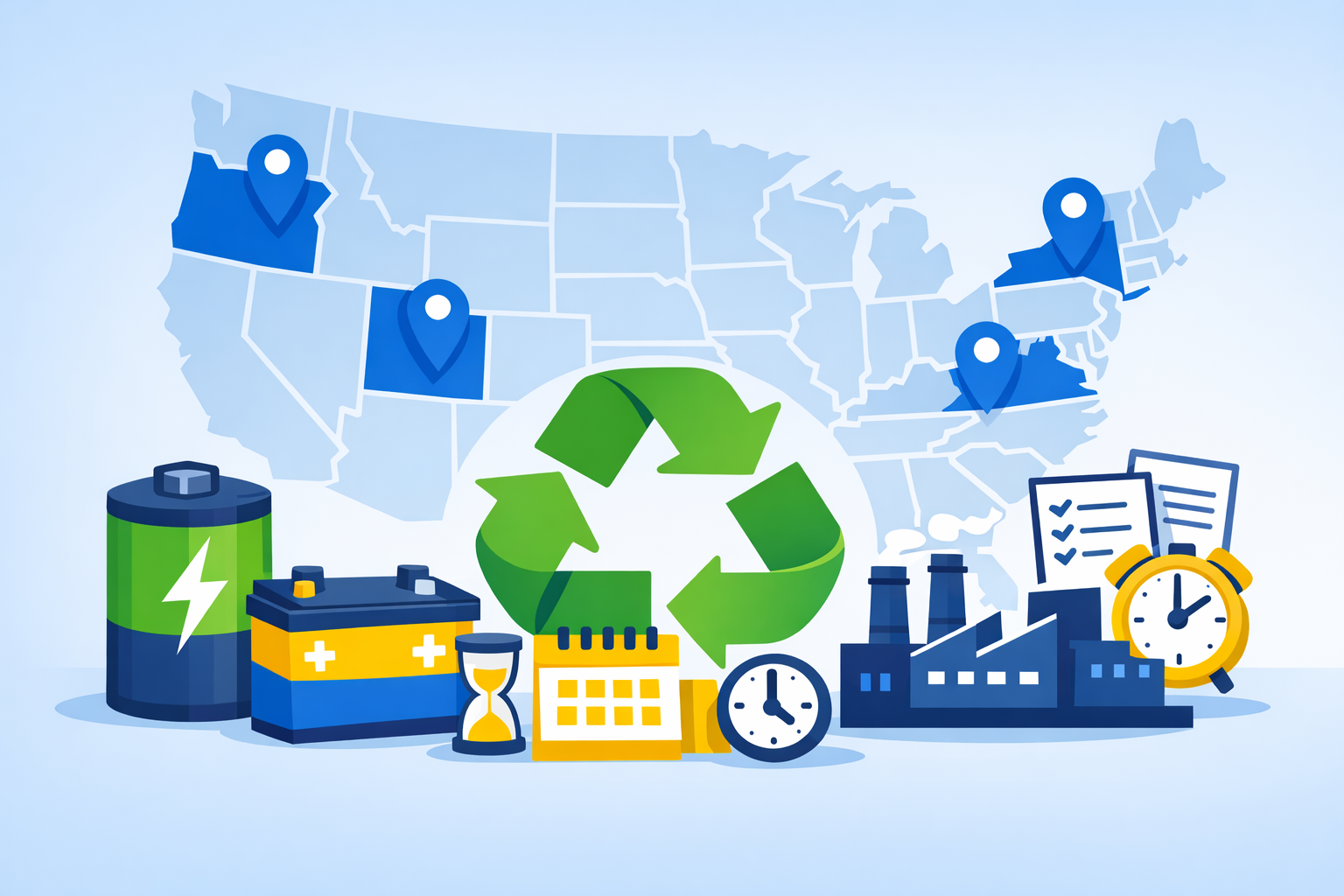
Divergent state battery stewardship timelines are creating a compliance patchwork that raises costs for automotive Tier-1 and Tier-2 suppliers ahead of 2027-28 deadlines.

U.S. auto parts suppliers face a growing patchwork of state battery stewardship laws, with compliance deadlines in California, Washington, Illinois, and others converging between 2026 and 2029.

The EU is extending its Digital Product Passport framework to automotive software and diagnostics data, requiring OEMs and suppliers to overhaul data governance by 2027-2029.

EU's Digital Product Passport and Data Act impose overlapping data governance demands on automotive OEMs, suppliers, and aftermarket firms through 2027.

Diverging state battery stewardship mandates from 2025 to 2029 are creating a compliance maze for auto parts suppliers, raising costs and supply chain risks.

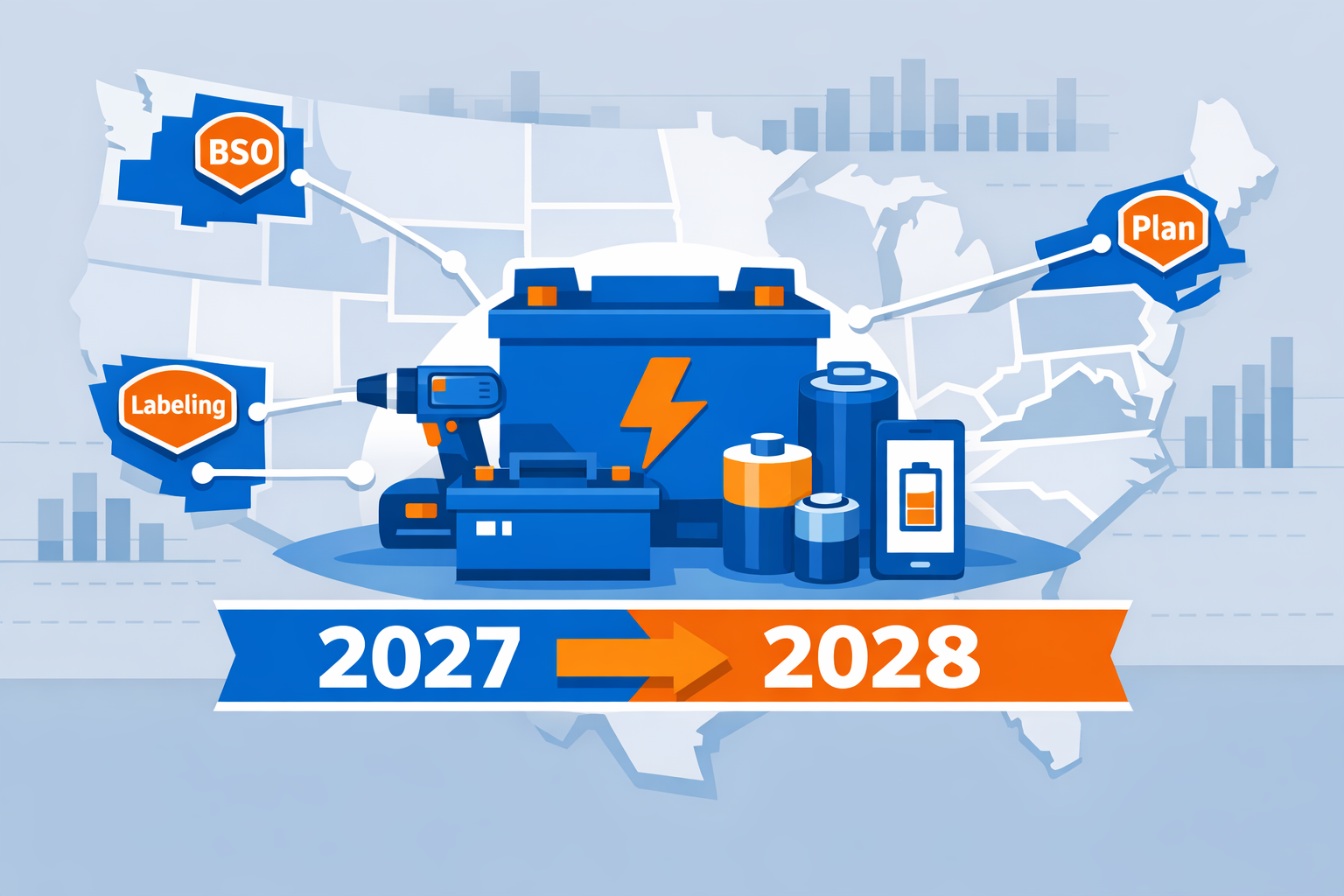
Divergent U.S. state battery stewardship laws set 2027-2028 deadlines for take-back, recycling, and labeling, creating complex compliance demands for auto parts suppliers.

The EU's Digital Product Passport regime advances into automotive, with mandatory Battery Passports from Feb 2027 and vehicle data obligations ahead.

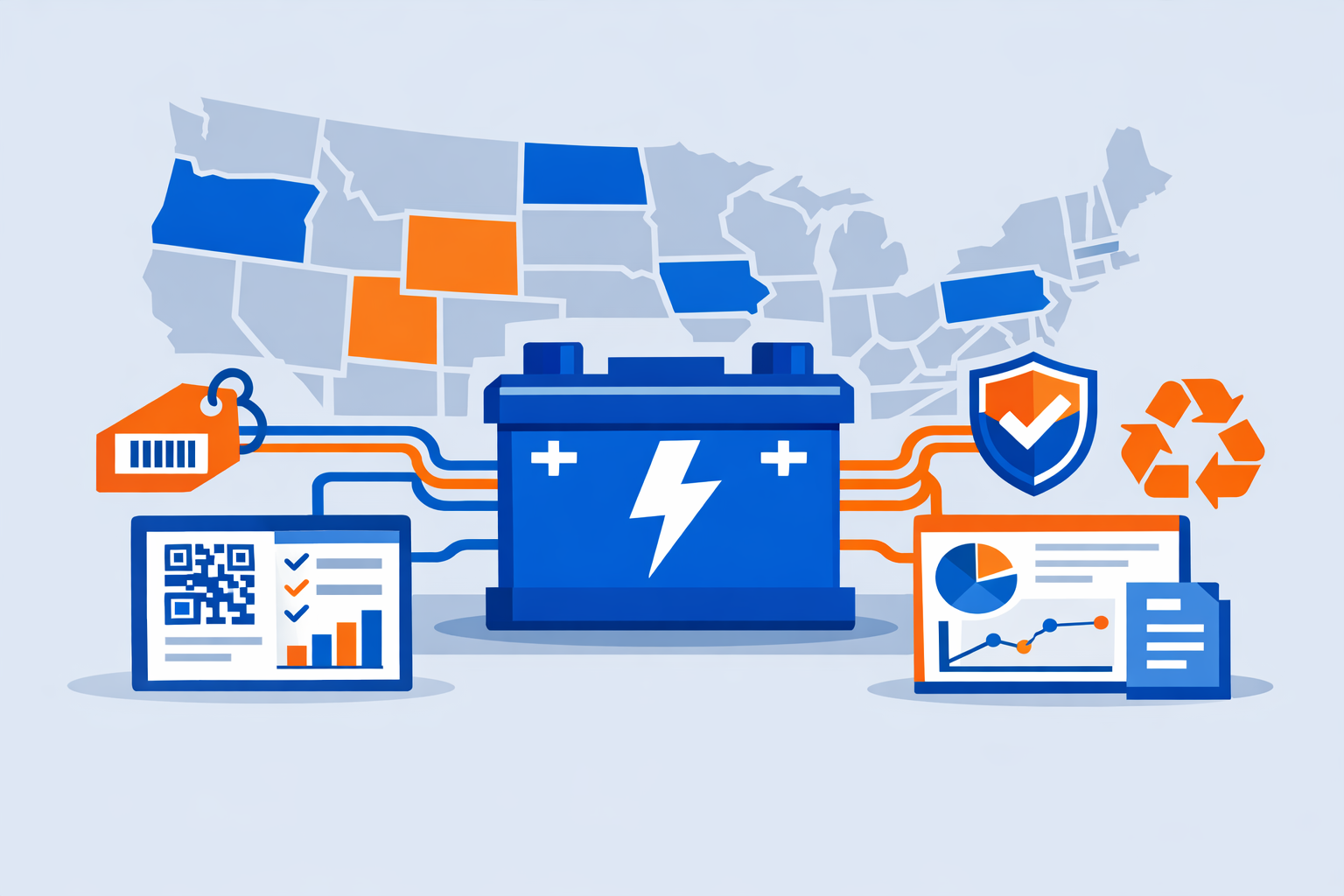
Six U.S. states have enacted divergent battery stewardship laws with 2027-2028 deadlines, creating a patchwork compliance burden for auto parts suppliers.

The EU's Digital Product Passport framework is expanding into automotive software and diagnostics data, with Tier-1 supplier pilot tests underway ahead of the 2027 rollout.

US states enact diverging battery stewardship laws with major deadlines in 2027-2028, forcing auto parts makers to navigate a patchwork of take-back and reporting rules.

The EU is expanding its Digital Product Passport to automotive software and diagnostics data, with phased obligations starting in 2027 for OEMs and Tier-1 suppliers.

Six U.S. states set divergent battery stewardship deadlines in 2027-2028, forcing auto parts suppliers to navigate conflicting labeling, take-back, and disposal-ban rules.

The EU plans to extend its Digital Product Passport to automotive software and diagnostics data by 2027, requiring SBOM readiness from Tier-1 and Tier-2 suppliers.

U.S. states are enacting divergent battery stewardship laws with 2027-28 deadlines. What auto parts makers must know about BSO requirements, EV battery rules, and compliance strategies.

The EU's Digital Product Passport regime is expanding to cover automotive software and diagnostics data. Here's what OEMs and Tier-1 suppliers must do before 2027.

EU Digital Product Passport rules extend to automotive components, with EV battery passports mandatory from February 2027 under ESPR, imposing data obligations on OEMs and suppliers.

Nine U.S. states now have battery EPR laws with 2027-28 disposal bans and labeling rules, forcing Tier-1 auto suppliers to overhaul compliance and end-of-life systems.

The FAA's proposed Part 108 BVLOS rule could reshape automotive parts logistics, enabling drone delivery to remote plants and distributed manufacturing sites.

Eight U.S. states are enforcing battery EPR laws with 2027-28 deadlines, compelling auto parts producers to adapt compliance, cost, and product design strategies.

AI and autonomous technology are reshaping last-mile e-commerce delivery, but regulatory fragmentation and workforce displacement concerns remain key barriers to scale.

Retailers and carriers are building micro-fulfillment hub networks to cut delivery times, lower costs, and reduce emissions as last-mile logistics restructures regionally.

The FAA's proposed Part 108 BVLOS rule could open standardized drone delivery corridors for auto parts and industrial last-mile logistics across the U.S.

The EU is expanding the Digital Product Passport to cover automotive software histories, OTA logs, and diagnostics data by 2027, creating new compliance demands for OEMs and Tier 1 suppliers.

EU Digital Product Passport expands to more auto components. Learn how Tier 1 suppliers must prepare for data governance, first-mile traceability, and ESPR compliance.

State battery EPR laws targeting 2027-2028 deadlines create divergent fee and compliance demands, adding cost and complexity for multistate manufacturers.

U.S. states are rolling out battery stewardship and packaging EPR rules on overlapping timelines through 2027-28, forcing auto parts makers to navigate a costly, fragmented compliance landscape.

The EU's Digital Product Passport mandate reaches automotive components from 2027. What OEMs, Tier 1/2 suppliers, and recyclers must do now to comply.

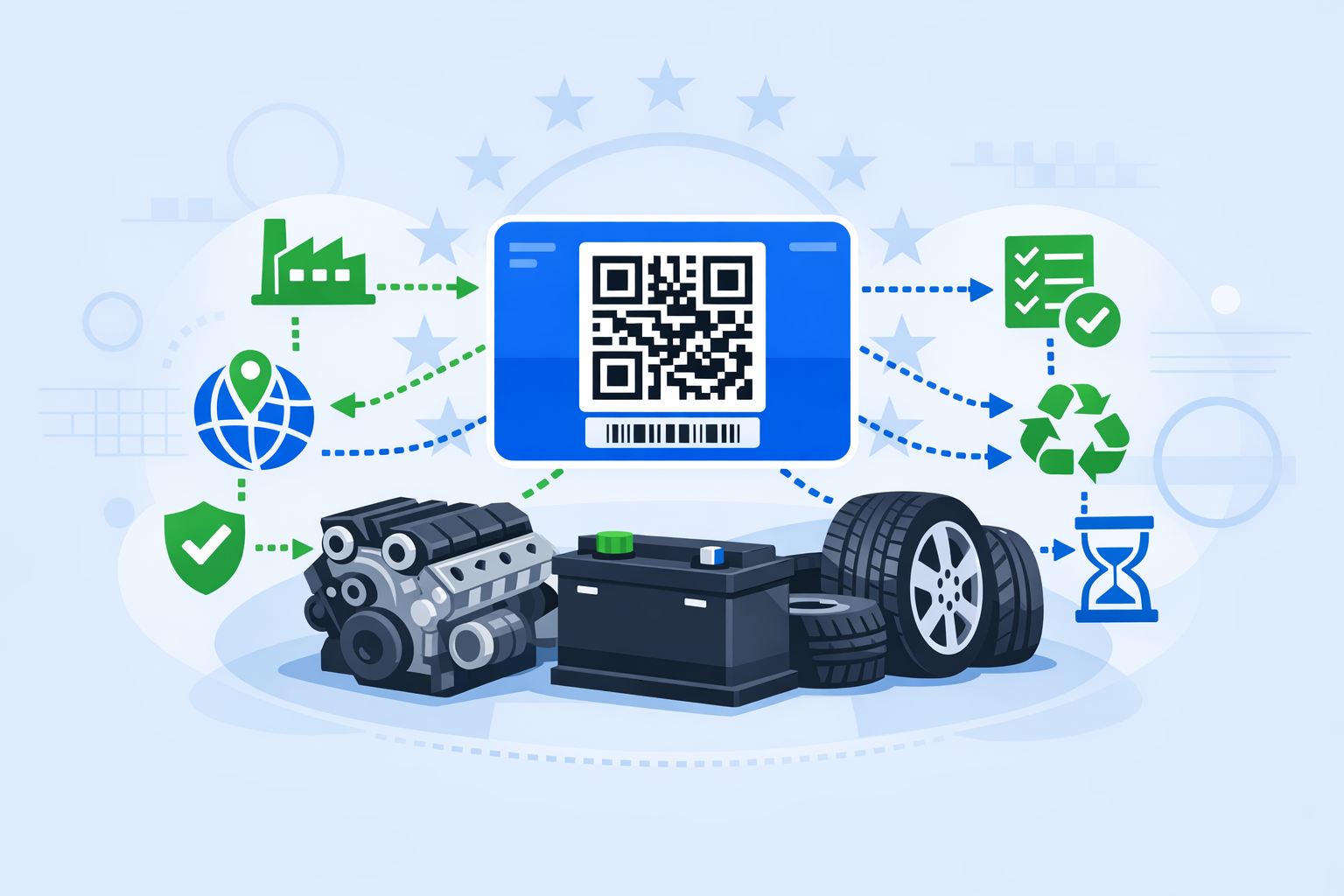
The EU's DPP framework mandates traceability data for EV batteries, permanent magnets, and tyres from 2027. What automotive OEMs and global suppliers must prepare now.

Auto parts makers face a patchwork of state battery stewardship fees and compliance deadlines in 2027-28. Here's what the regulations require and how to prepare.

The FAA's proposed Part 108 BVLOS rule would end per-flight waivers for drone logistics. Here's what auto-parts carriers and shippers need to prepare for.

The EU's revised ELV Directive mandates recycled plastic in new vehicles, reshaping interior-plastics supply chains, OEM sourcing strategies, and design decisions.

EU Regulation 2025/40 mandates end-of-life packaging labels on automotive components from 2028, with core compliance obligations applying from August 2026.

The FAA's proposed Part 108 BVLOS rule creates a standardized pathway for drone auto-parts delivery. Key routes, safety rules, and compliance steps explained.

Federal battery recycling funds and IRA thresholds converge in 2027-28, raising compliance costs and supply chain stakes for US auto parts makers and recyclers.

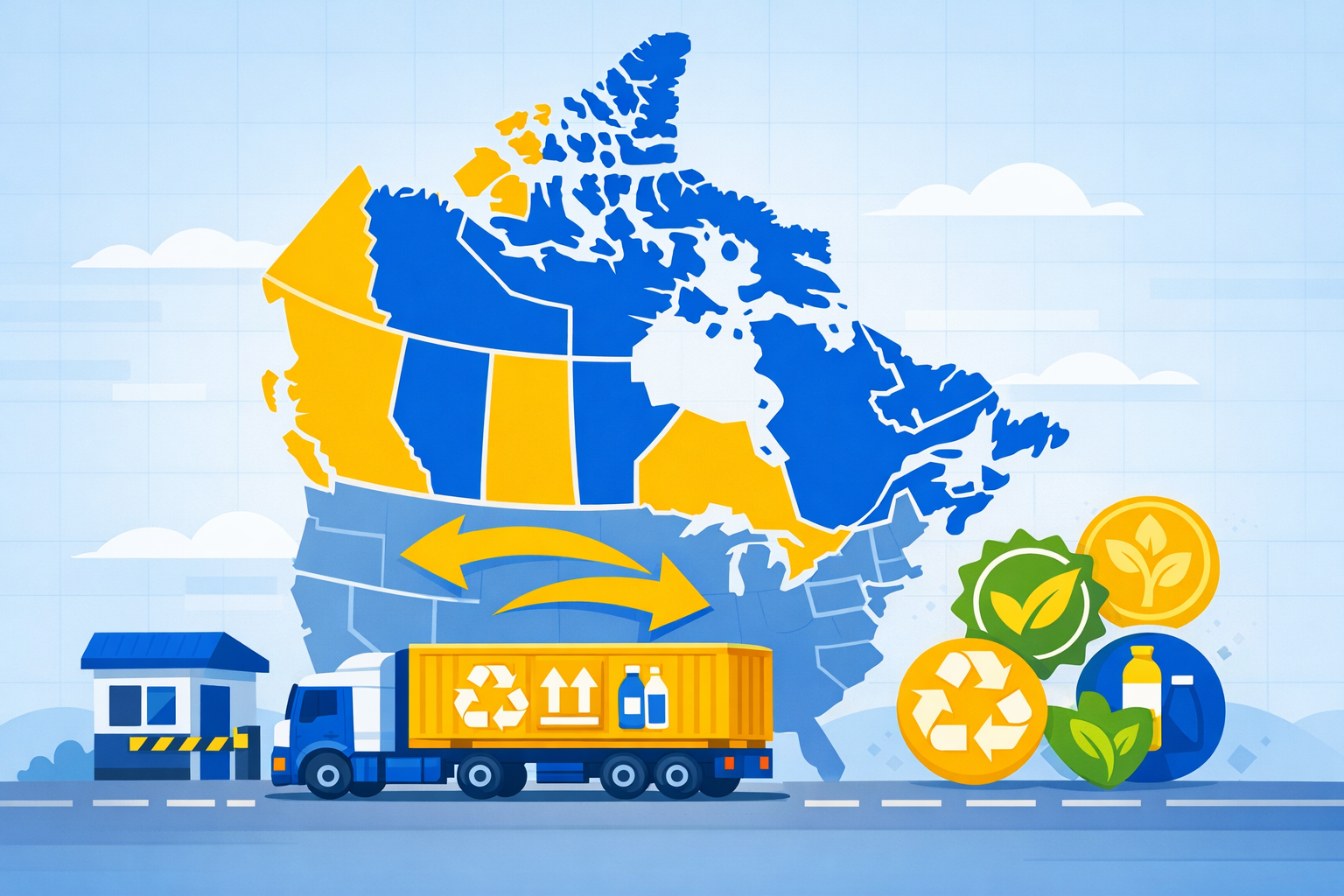
Canada's provinces are harmonizing auto parts packaging and end-of-life EPR rules, with major 2025-2026 timelines affecting cross-border trade with the U.S.

U.S. states are imposing battery stewardship fees and EPR obligations on auto parts producers starting in 2027-28. Key compliance steps and deadlines.

The EU's Digital Product Passport mandate is expanding to automotive components, covering batteries, tyres, and parts with major compliance deadlines from 2027 onward.

Multiple U.S. states activate EPR packaging fee obligations in 2027, creating direct compliance deadlines for auto manufacturers and parts suppliers.

Five US states converge on 2027 EPR packaging deadlines. Here's what auto parts producers must do now on fees, design, and multi-state compliance.

EU EV battery passports become mandatory in February 2027, with tyres and vehicle components following. What automakers and Tier 1 suppliers must do now.

UPS Ground Saver's relaunched USPS partnership reshapes auto parts delivery. What packaging engineers and supply chain teams need to know about service levels, packaging strategy, and EPR compliance.

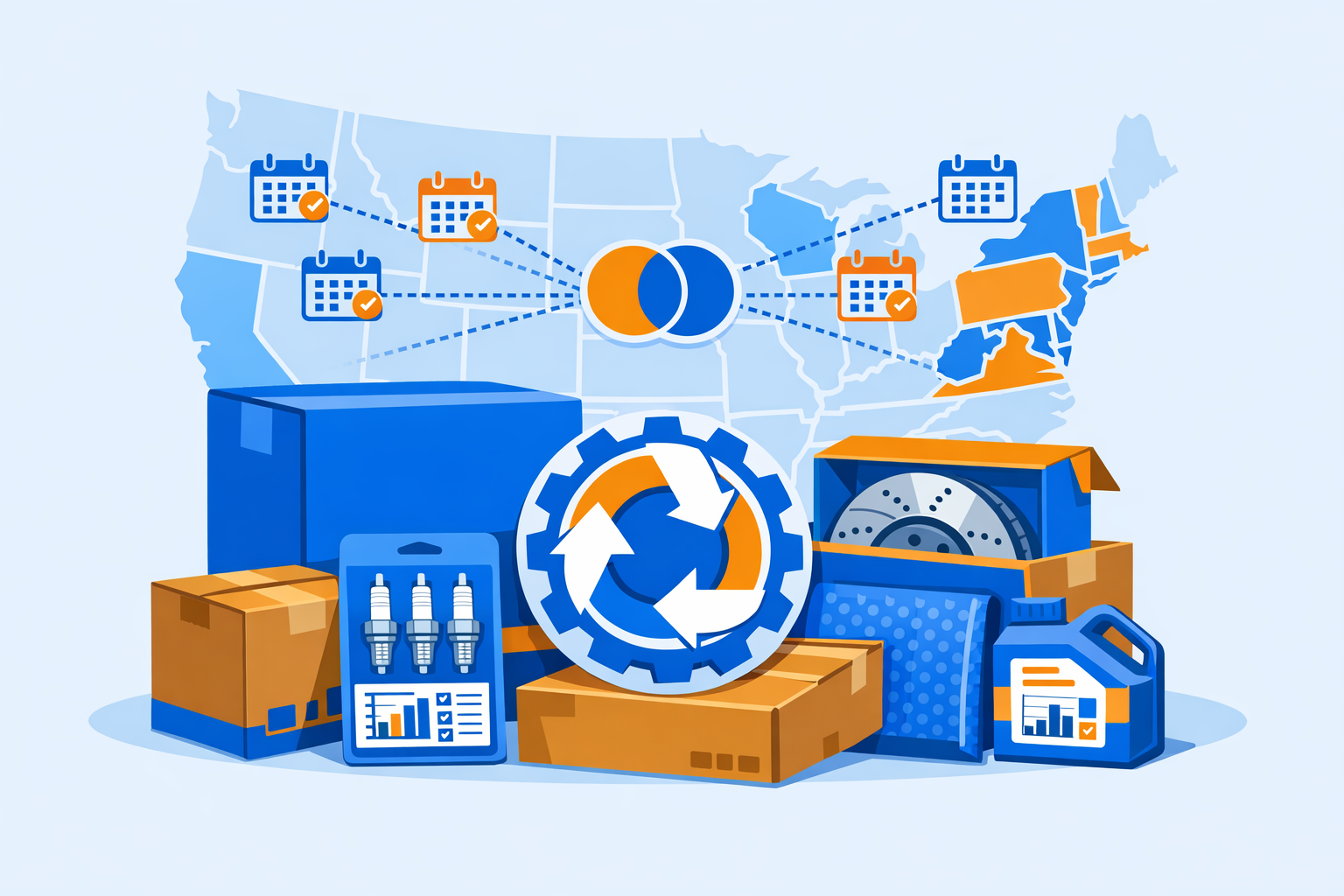
A state-by-state EPR compliance timeline for US auto parts packaging, covering 2025-2027 deadlines, eco-modulation fees, and a six-step readiness checklist.

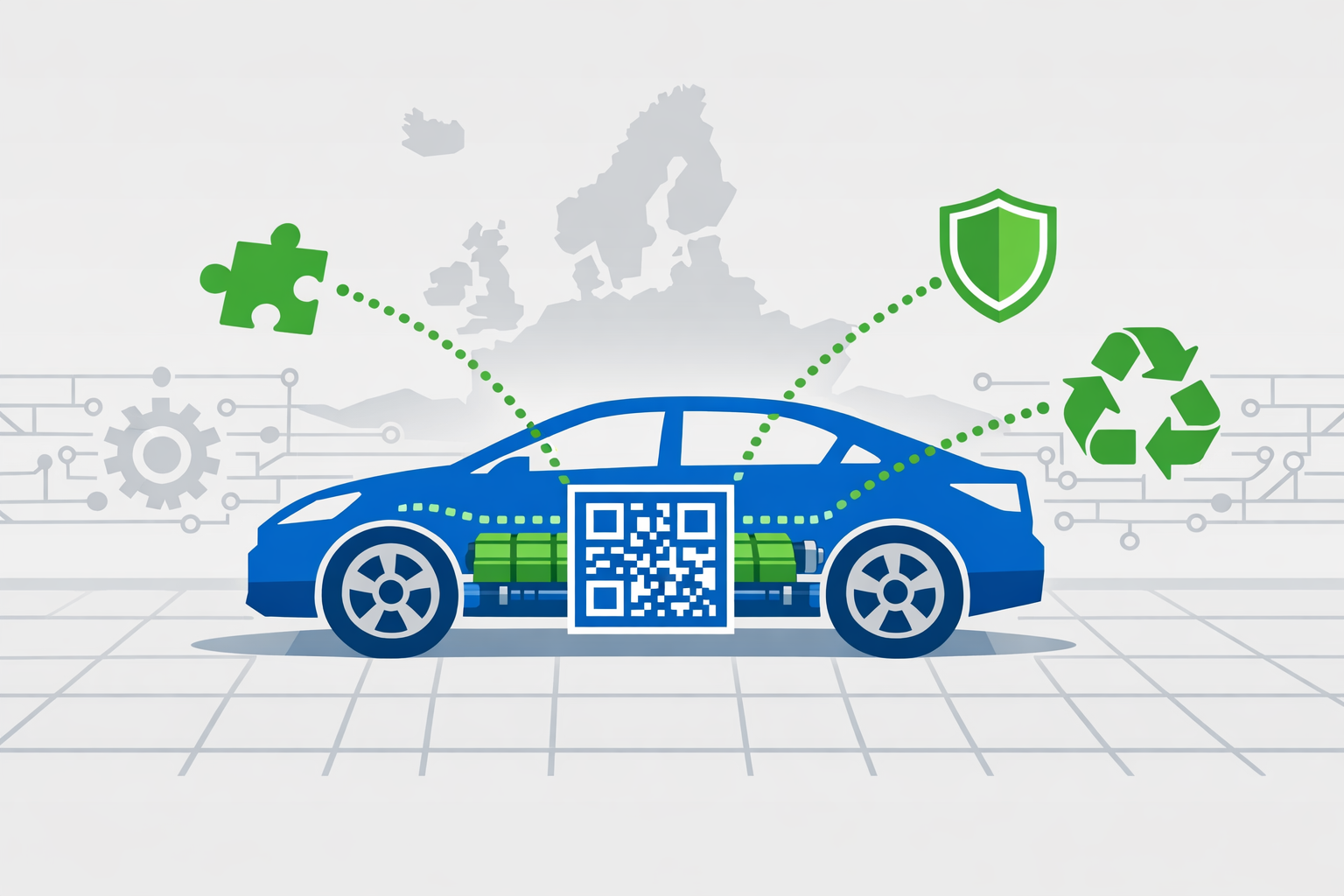
EU Digital Product Passport rules are reshaping automotive supply chain compliance, with QR-based labeling, ISO serialization, and tiered data obligations arriving from 2027.

U.S. auto parts suppliers face converging state EPR packaging deadlines by 2027, with 15-40% fee uplifts, labeling mandates, and potential sales bans.

Seven U.S. states enforce packaging EPR laws affecting auto OEMs and suppliers with fees, reporting mandates, and recyclability targets through 2032.

EU Digital Product Passport rules reach automotive by 2027. EV battery passports, tyre DPPs, and component obligations explained for OEMs and suppliers.

The EU's Digital Product Passport mandate reaches automotive components in phases from 2027 to 2030, creating new traceability and data obligations for global auto suppliers.

The FAA's proposed Part 108 BVLOS rule, tied to a 2025 executive order, sets new compliance requirements for drone-based automotive parts delivery to rural hubs.

The FAA's Part 108 BVLOS NPRM creates scalable drone delivery corridors for auto parts. Here's what carriers and suppliers must do before the 2026 final rule.

Seven U.S. states now enforce packaging EPR laws, imposing fees, data mandates, and design pressure on auto parts suppliers - with five more expected by 2026.

Gen Z sustainability demands are reshaping automotive packaging strategy, pushing OEMs and suppliers toward recyclable, modular, and low-waste designs.

Automotive OEMs face growing pressure to embed ethical sourcing disclosures into packaging labels as ESG mandates and fair trade standards tighten globally.

Auto OEMs pilot decentralized packaging kiosks to cut last-mile emissions, with coverage of market data, kiosk technology, EU PPWR regulation, and supply chain impact.

A 2025 Gen Z packaging survey reveals deep skepticism of sustainability claims, with recyclability and traceability demands reshaping automotive supply chain specs.

The EU's Digital Product Passport framework is expanding to automotive components, with phased deadlines from 2027. Here's what suppliers need to know.

The FAA's proposed Part 108 BVLOS rule and a Michigan pilot delivering auto parts to Ford dealerships signal a new era for automotive supply chains.

The FAA's proposed Part 108 BVLOS rule could enable routine drone delivery of auto parts to rural hubs. Here's what supply chain teams need to know.

EU's Digital Product Passport regime reaches automotive in February 2027. Key deadlines, ERP integration requirements, cybersecurity rules, and supplier obligations explained.

Braskem's I'm green bio-based polyethylene targets automotive packaging as EU PPWR nears its 2026 application date, pressing OEMs on cost and compliance.

EU Digital Product Passport deadlines begin February 2027 for EV batteries. What automotive suppliers must do now on data, contracts, and interoperability.

Bamboo packaging gains traction in automotive supply chains as plastic regulations tighten, but cost, supply concentration, and certification hurdles limit scale.

The FAA's proposed Part 108 BVLOS rule, published August 2025, creates a scalable pathway for routine drone delivery with direct implications for automotive parts logistics to rural hubs.

The FAA's Part 108 BVLOS NPRM signals a new era for drone delivery of auto parts to rural hubs. What logistics teams must do now to prepare.

The EU's Digital Product Passport is now binding for automotive suppliers. Key deadlines, scope across batteries, steel, tyres, and ELV rules, and cross-border obligations explained.

EU's Digital Product Passport mandate for automotive components reshapes cross-border contracts, supplier data obligations, and traceability requirements for OEMs and non-EU exporters.

The FAA's proposed Part 108 BVLOS rule could unlock routine drone delivery of automotive parts to rural hubs by late 2026. Here's what supply chain operators need to know.

The FAA's Part 108 BVLOS rulemaking advances drone delivery of automotive spare parts, with pilots active in Michigan and a final rule expected by mid-2026.

The EU's Digital Product Passport framework expands to automotive components under ESPR, with battery passport mandates from Feb 2027 and broader rollout through 2030.

The EU's Digital Product Passport mandate for automotive components is reshaping data sharing, procurement, and cross-border contracting ahead of key 2027 deadlines.

FAA's proposed Part 108 BVLOS rule and Michigan's blueflite auto-parts drone pilot are accelerating autonomous aerial delivery in rural U.S. communities.

EU Battery Passport mandate under Regulation 2023/1542 takes effect February 2027, requiring automotive OEMs and suppliers to overhaul traceability and cross-border compliance.

The FAA's proposed Part 108 BVLOS rule and a Michigan drone pilot are opening new pathways for autonomous auto parts delivery to dealerships.

Urban micro-fulfillment centers are reshaping auto parts delivery, compressing final-mile windows and extending service to rural markets through 3PL relay networks.

EU PPWR and Digital Product Passport rules are forcing automotive OEMs and suppliers to redesign packaging, labeling, and data systems ahead of 2026-2030 deadlines.

The FAA's BVLOS NPRM opens a scalable regulatory pathway for drone delivery of automotive spare parts. Here's what supply chain teams need to know.

The EU Digital Product Passport framework is expanding to automotive components. Learn which parts fall in scope, what data fields are required, and how supply chain contracts must adapt.

EU Digital Product Passport rules expand to automotive components, creating new traceability, data-sharing, and supplier contract obligations for cross-border supply chains.

The EU-funded CodeZERO initiative pilots zero-emission electric last-mile delivery of automotive parts across five cities, combining EV fleets, reusable packaging, and dynamic routing.

The EU's mandatory Battery Passport takes effect February 2027, imposing new traceability and data obligations on OEMs, tier suppliers, and recyclers across the auto supply chain.

The FAA's proposed Part 108 BVLOS rule could enable scalable drone delivery of automotive spare parts by late 2026, replacing per-flight waivers with a standardized framework.

The FAA's proposed Part 108 BVLOS rule, expected to be finalized in spring 2026, opens a scalable pathway for drone delivery of automotive parts.

The EU's Digital Product Passport expansion covers automotive batteries, tyres, and aluminium, forcing North American suppliers to rework cross-border contracts and data obligations.

FAA Part 108 rulemaking and a $740K Michigan pilot are accelerating BVLOS drone delivery for auto parts, reshaping last-mile logistics for dealer networks.

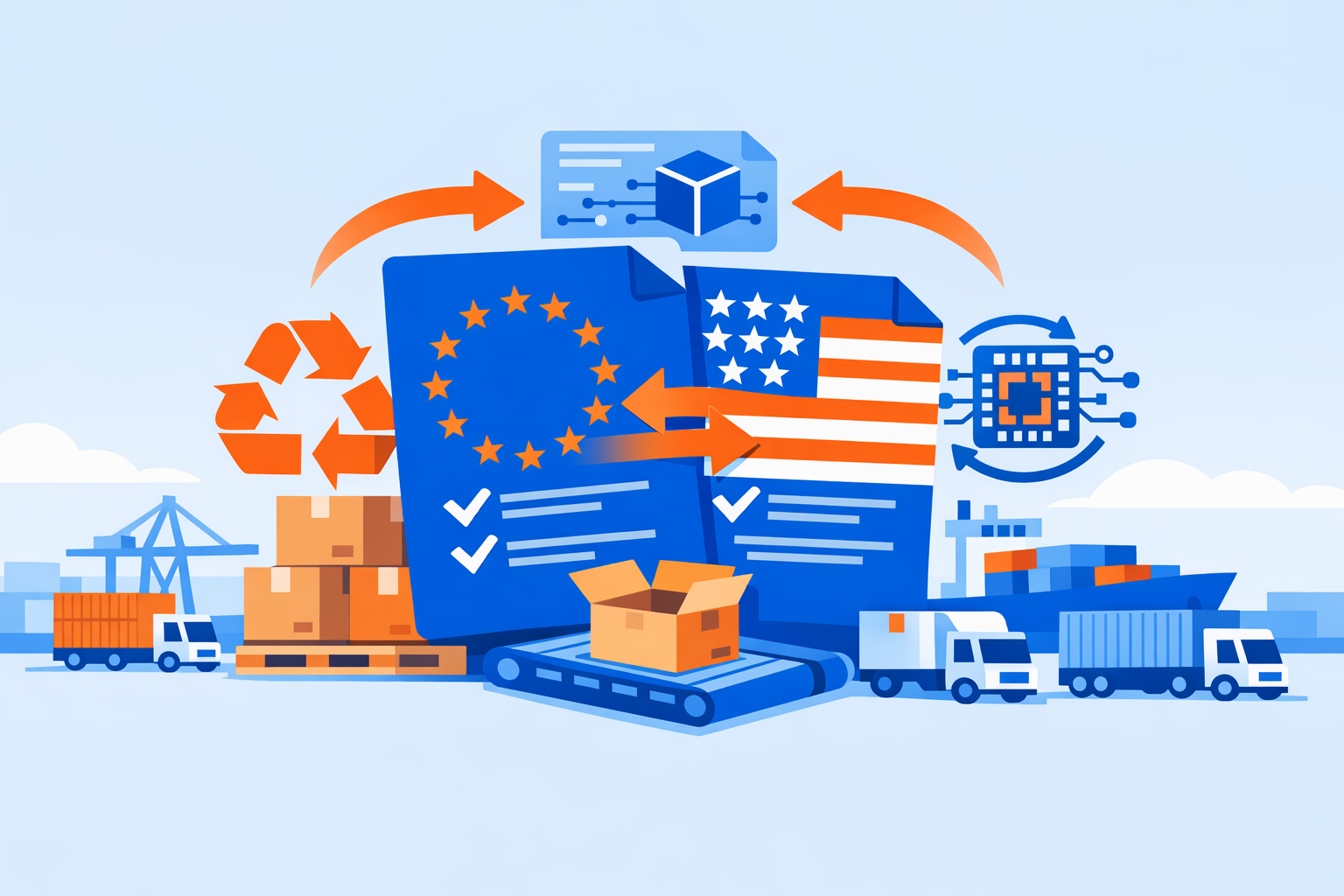
EU and US digital product passport rules are expanding to auto components, forcing automakers and Tier 1 suppliers to overhaul traceability systems and rewrite contracts by 2027.

Brazil's automakers and aftermarket distributors invest in urban micro-fulfillment centers as e-commerce drives faster auto parts delivery and new packaging rules take effect.

EU and US regulators advance recycled-content mandates for automotive interiors, reshaping OEM procurement, Tier 1 supplier specs, and recycling supply chains.

Honda's Fastport eQuad enters commercial use with Bird and Spin. What micromobility last-mile delivery means for packaging specs and 2026 sustainability compliance.

EU PPWR recycled-content rules and Digital Product Passport mandates are forcing automotive OEMs to rewrite cross-border supplier contracts. Here's what's changing.

A Michigan pilot program and the FAA's proposed Part 108 BVLOS rule are advancing drone delivery for auto parts, with efficiency gains and regulatory clarity ahead.

EU Digital Product Passport rules expand to automotive batteries, steel, aluminium, and magnets. What North American suppliers must do now to stay compliant.

Seaweed biopolymer packaging trials expand into auto spare-parts logistics as EU PPWR, Brazil, and US EPR mandates drive 2026 compliance decisions.

EU PPWR and ELV regulations force auto OEMs to renegotiate cross-border packaging contracts ahead of August 2026 recycled-content enforcement deadlines.

EU4Youth-backed Moldovan startups convert paper waste into sustainable packaging for automotive and industrial use as the EU's PPWR deadlines approach.

EU PPWR and US state EPR mandates are tightening recycled-content rules for automotive packaging ahead of August 2026. What OEMs and suppliers must act on now.

Honda's Fastport unit signs Bird and Spin as first commercial customers for its electric eQuad urban delivery vehicle and Fleet-as-a-Service platform.

BOPET films are reshaping automotive spare-parts packaging as EU PPWR rules take effect in August 2026, affecting recyclability, cost, and cross-border compliance.

Honda's Fastport partners with Bird and Spin to deploy all-electric eQuad vehicles in scooter-share fleet operations, reshaping urban last-mile logistics.

EU PPWR and US state EPR mandates are converging, forcing automotive OEMs and suppliers to revise cross-border packaging contracts and sourcing ahead of 2026 deadlines.

Seaweed biopolymer producers scale industrial trials for logistics packaging as EU PPWR recyclability rules take effect in August 2026, with automotive spare parts a key target sector.

EU Digital Product Passport rules expand to automotive components, requiring OEMs and Tier suppliers to embed material, recyclability, and provenance data ahead of 2027 mandates.

EU PPWR and US state EPR programs converge on 2026 recycled-content mandates, forcing a wave of OEM supplier contract revisions across auto supply chains.

EU Digital Product Passport rules under the ESPR are driving automotive OEMs and suppliers to redesign packaging data systems ahead of binding 2027 deadlines.

GPC expands its 100% recycled-content packaging pilot to 15 North American DCs by Q4 2026, revising supplier contracts as US and EU EPR mandates tighten.

Honda's Fastport unit partners with Bird and Spin to deploy eQuad cargo quadricycles, reshaping packaging and supply chain standards for urban last-mile delivery.

Auto OEMs are revising supplier contracts ahead of the EU PPWR's August 2026 enforcement, driven by recycled-content, traceability, and EPR requirements.

EU-US auto parts traceability tightens as blockchain pilots scale under ESPR Digital Product Passport, CBAM, and GS1 EPCIS standards.

Auto parts distributors deploy AI in-line packaging pilots to cut transit damage and meet 2026 recycled-content mandates across North America and the EU.

North American auto parts distributors deploy RFID pallet tracking to cut damages, lost shipments, and invoicing errors - with implications for carrier contracts and compliance.

Automotive OEMs launch a blockchain packaging pilot to trace auto parts across borders, targeting counterfeit risk, recall efficiency, and sustainability verification.

Seaweed biopolymers enter automotive spare-parts logistics trials, facing moisture resistance, load integrity, and divergent EU-US regulatory hurdles.

US auto parts distributors pilot 100% recycled-content packaging as 2026 EPR and PCR mandates take effect, driving urgent supplier contract renegotiations.

EU PPWR and US state EPR frameworks are forcing OEMs to revise supplier contracts with recycled-content thresholds, audit rights, and compliance documentation ahead of 2026 mandates.

A major US auto parts distributor pilots 100% recycled-content packaging across two DCs, rewriting supplier contracts with EPR-driven sustainability clauses.

AI-driven in-line packaging systems expand across auto parts logistics in 2026, cutting waste and downtime as the sector faces regulatory and labor pressure.

EU PPWR and US state EPR rules converge in 2026, forcing automotive OEMs to renegotiate supplier contracts and redesign packaging for recycled-content compliance.

Auto parts distributors deploy AI-powered packaging robots to reduce damage, cut waste, and meet PPWR and EPR regulatory deadlines in 2026.

EU PPWR and US state EPR laws converge on 2026 deadlines, forcing automotive OEMs to overhaul supplier contracts for recycled-content and recyclability compliance.

Promix Microcell foam extrusion technology advances toward automotive packaging scale, backed by Borealis HMS PP investment and EU PPWR recyclability mandates.

Seaweed-based packaging pilots are expanding into auto spare-parts logistics as EU PPWR deadlines and retailer plastic-reduction goals push distributors to test bio-based alternatives.

EU PPWR and US EPR laws force auto OEMs to rework packaging contracts as seaweed bio-materials and microcell foam technology gain ground before 2026 deadlines.

Seaweed-based packaging trials gain traction in auto spare-parts logistics as EU PPWR mandates push suppliers toward biobased alternatives by mid-2026.

EU PPWR and US state EPR laws are driving automotive OEMs to rewrite supplier packaging contracts around recycled-content mandates and digital traceability.

EU PPWR and U.S. EPR laws will reshape automotive packaging specs, labels, and contracts for 2026 sourcing and beyond. Key compliance strategies outlined.

US states' EPR and recycled-content rules for 2026 force auto OEMs to redesign packaging, update contracts, and enhance compliance systems nationwide.

EU's 2026 PPWR reshapes automotive packaging compliance, pushing OEMs and suppliers to harmonize labelling, recyclability, and conformity across North America and Europe.

US auto suppliers and automakers pilot 100% recycled-content packaging for key parts before state EPR mandates arrive in 2026-2027.

Honeycomb paper packaging is expanding in auto spare-parts logistics as EU PPWR and EPR mandates enforce stricter packaging recyclability and minimization from August 2026.

EU launches digital traceability framework for automotive packaging to verify recycled content, with pilots in 2025 and full adoption in 2026 under PPWR rules.

Promix trials microcell foam extrusion in automotive packaging to cut material use, maintain recyclability, and achieve fast payback. Trials end mid-2026.

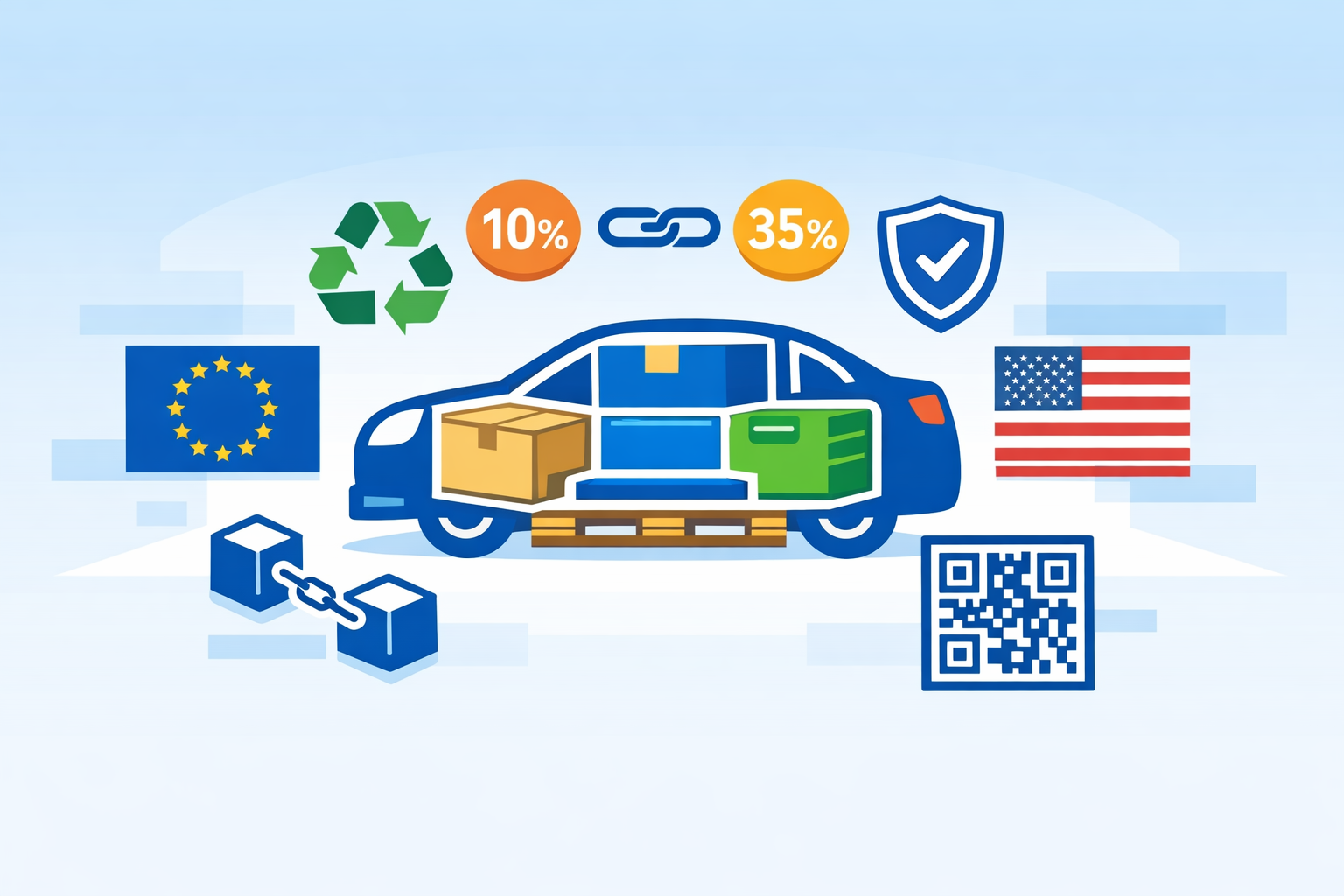
EU and North American regulators set 2026 interim targets for recycled plastic in automotive packaging, aligning 15% PCR in six years and 25% in ten.

Analysis of how sustainability, regulation, and tech in automotive packaging will drive flexographic printing plate demand and innovation through 2035.

How EU PPWR and US state EPR laws are transforming automotive packaging, recycled content, labeling, and compliance across borders by 2026.

How 2026 EU PPWR, US EPR, and Canada plastics rules will reshape automotive packaging specs, data, and reuse strategies for cross-Atlantic supply chains.

US auto OEMs revise supplier packaging contracts to address 2026 EPR mandates, as varying state rules reshape material choices and cost structures.

Automakers and suppliers in North America and EU are piloting premade pouches for spare-part logistics, seeking space and sustainability gains amid regulation.

EPA clarifies recycled-content thresholds and reporting for US automotive packaging EPR, prompting renegotiation of supplier contracts ahead of 2026 mandates.

Automotive spare-parts logistics are adopting sensor-enabled, RFID-backed smart packaging to boost traceability, reduce waste, and comply with 2026 sustainability targets.

Auto OEMs and suppliers are standardizing packaging and reporting across U.S. and Canada to prepare for 2026 EPR mandates.

Analysis of how EU PPWR and North American EPR are driving harmonization in automotive packaging, and what packaging leaders should address by 2026-2028.

Analysis of how 2026 US packaging EPR and PCR rules drive automotive OEMs and suppliers to increase recycled-content and packaging compliance mandates.

Ocean-plastic packaging use rises in automotive logistics as ISCC PLUS and EU PPWR certifications drive supply chain sustainability.

Automotive packaging standards are aligning globally ahead of 2026, with EU PPWR rules on recyclability and recycled content raising supplier-contract implications.

Analysis of how AI-driven in-line packaging and autonomous wrapping are emerging in automotive spare-parts warehousing, with early metrics, risks, and next steps.

EPR and recycled-content laws in key states are reshaping auto OEM packaging specs, contracts, and materials ahead of 2026 compliance deadlines.

Canada and Australia align automotive packaging recyclability standards via ecodesign harmonization and regulatory reforms to streamline spare-parts logistics.

U.S. automakers prepare for 2026 state-level EPR packaging rules requiring PRO registration, data reporting, and recycled-content documentation.

Automakers in the US, Canada, and Australia pilot fiber packaging for spare parts, citing cost, carbon, recyclability, and track-and-trace benefits.

US automakers must meet state EPR rules-joining PROs, reporting packaging data, and paying fees before 2026 recycled content mandates take effect.

Modular AI-powered packaging line pilots in automotive spare-parts warehouses delivered 20-30% throughput gains using adaptive robotics, smart sensors, and digital twins.

AI packaging and RFID-enabled reusable packaging pilots are transforming auto spare parts warehousing and PPWR compliance with measurable efficiencies.

US automakers are increasing recycled-content packaging to meet 2026 EPR compliance deadlines in California, Oregon, Maryland, and other states.

Texen and Quadpack pursue standardised recyclability in cosmetics packaging, offering models for automotive packaging under new EU recyclability mandates.

US automakers face 2026 EPR deadlines, driving updates in recycled-content packaging, supplier contracts, and compliance strategies.

How IoT, PCM insulation, and digital twins are transforming automotive cold-chain logistics for temperature-sensitive spare parts in 2026.

How US packaging EPR and recycled-content rules converging in 2026 are reshaping automotive packaging design, sourcing, circular models, and data strategy.

Constellation Cold Logistics to acquire Germany's Spedition Wohlert, adding 40,000 pallet positions and 150 vehicles to enter the German cold-chain market.

In 2026, automotive warehouses scaled modular AI packaging lines, achieving higher throughput, reduced waste, and advanced quality control.

New state EPR packaging laws are pushing U.S. auto OEMs toward higher recycled-content packaging via fees, reporting and PRO compliance.

Plastic Ingenuity acquires Germany's Spezi-Pack, entering European healthcare packaging with cleanroom expansion targeted for Q1 2027.

Analysis of AI-enabled in-line packaging's impact on automotive warehousing by 2026: technology, ROI, workforce, and sustainability trends.

How new U.S. packaging EPR laws are driving automotive packaging redesign, recycled content increase, and logistics strategy changes.

Automakers pilot modular AI-driven packaging with predictive maintenance, vision inspection, and recyclable materials across warehouse operations.

US automakers must adapt packaging for state EPR rules by 2026-using recyclables, digital passports, and data reporting to ensure compliance.

EU's new Packaging and Packaging Waste Regulation mandates sustainable packaging, with fines and bans for non-compliance beginning August 2026.

AI, modular automation and reusable packaging from pharma and food cold chains are being applied to automotive EV battery logistics to improve safety, visibility and cost-efficiency.

Five converging trends-IoT visibility, analytics, decarbonization, smart packaging, and data integration-are reshaping cold chain logistics in 2026.

DHL and Westwing advance sustainable last-mile delivery in Germany with GoGreen Plus, paper packaging, PUDO points, and faster, lower-emission logistics.

How 2026-era US state packaging laws are reshaping automotive packaging materials, recyclability, machinery investments, and EPR cost exposure for OEMs.

Analysis of the WEF 2026 US$2B low-carbon packaging initiative and the impact of agricultural-residue fibers on automotive packaging, ESG, and deforestation risk.

Automotive warehouses deploy modular AI packaging systems with ERP/WMS links, predictive maintenance, and right-sizing to meet growing 2026 demand.

Automakers and suppliers deploy RFID-enabled reusable packaging for end-to-end EV battery tracking, improving supply chain visibility and reducing waste.

Pharma cold-chain innovations-IoT, digital twins, blockchain, standardized data-are now shaping temperature-controlled logistics in food and automotive.

CO₂-driven dry-ice shortages are forcing cold-chain shippers to adopt phase-change materials, liquid nitrogen, mechanical cooling, and smarter packaging solutions.

Analysis of IoT, reusables, advanced insulation, and digital traceability reshaping pharmaceutical cold chain packaging.

How modular automation, predictive maintenance, and vision-based quality control will reshape packaging lines and warehouse operations in 2026.

KIUD's textile-waste packaging offers an 82% lower carbon footprint, supporting EU's 2030 target of 40% reusable e-commerce packaging.

Automakers are shifting EV battery logistics to intermodal rail, using modular temperature-controlled packaging and AI analytics to improve speed, safety and emissions.

Automakers and suppliers increase use of reusable, RFID-enabled cold-chain packaging to offset dry-ice shortages and meet 2026 regulations.

PCA's $5.2 bn decade-long capital investment is boosting energy resilience via gas turbines and enabling nearshoring readiness, per CEO at Feb 26 conference.

HolyGrail 2030 digital watermarking advances from R&D to industrial pilots for automotive PP recycling, enabling high-accuracy sorting and circularity.

Broad deployment of modular AI-driven packaging lines boosts flexibility, throughput and traceability in automotive logistics centers from 2026.

ITS Logistics' March Freight Index shows geopolitical strife, rising cargo theft and proposed driver rules are destabilizing U.S. port and rail freight flows.

EU regulation mandates reusable transport packaging for automotive aftermarket parts by 2030, aiming for harmonised circular packaging models.

US automakers deploy AI-enabled, temperature-controlled modular packaging with IoT monitoring to protect EV battery components during nationwide transit.

Sustainable aerosol packaging surged in 2025 to USD 1.15 billion, driven by recycled metal cans and investments from Beiersdorf, Ball, Henkel and Unilever.

EU PPWR (Aug 2026), US FSMA 204 (July 2028) and DSCSA increasingly align on cold chain traceability and packaging design standards.

WEF and Canopy launched a US$2B initiative in Davos to build 1.5 Mt low-carbon pulp capacity from ag residues in India, aiming to cut emissions and build resilience.

DHL and RLCold will develop over 5 million sq ft of cold-storage in North America to modernize and add flexibility to food and beverage logistics.

Cummins reframes packaging with RFID-tracked, reusable containers for improved efficiency, visibility and compliance with evolving EU regulations.

Cold-chain logistics and packaging markets are set to surge through 2036, led by pharma, food, AI/IoT tech, reusables, and regional growth opportunities.

CO₂ supply shortages are reducing dry ice availability, prompting pharma and food cold-chain sectors to adopt alternative cooling and insulation technologies.

Volkswagen Group Logistics updates systems and packaging to align with the EU's PPWR ahead of the August 2026 deadline.

In 2026, packaging lines evolve with AI, modular automation, and sustainable design to improve efficiency, reduce waste, and address labor challenges.

Biologics and vaccine demand fuel cold chain packaging growth, with IoT monitoring and reusable systems advancing pharma supply chain sustainability.

Germany's new Packaging Law from August 2026 bans PFAS in food packaging, mandates recycled content, design-for-recycling and digital labeling aligned with EU PPWR.

Prevented Ocean Plastic™ unveiled food-safe rPP and Castle Colour introduced plastic-free fibre barrier board at Packaging Innovations & Empack 2026.

Fast shipping increases emissions in packaging logistics; companies and regulators turn to consolidation, routing tech and emissions reporting to reconcile speed with decarbonization.

From 2026, EU packaging must have scientifically substantiated environmental claims; digital tools and third-party verification become mandatory.

DHL launched a €2 billion-backed cold-chain airfreight network with a branded 777, linking Brussels and Cincinnati for enhanced healthcare logistics.