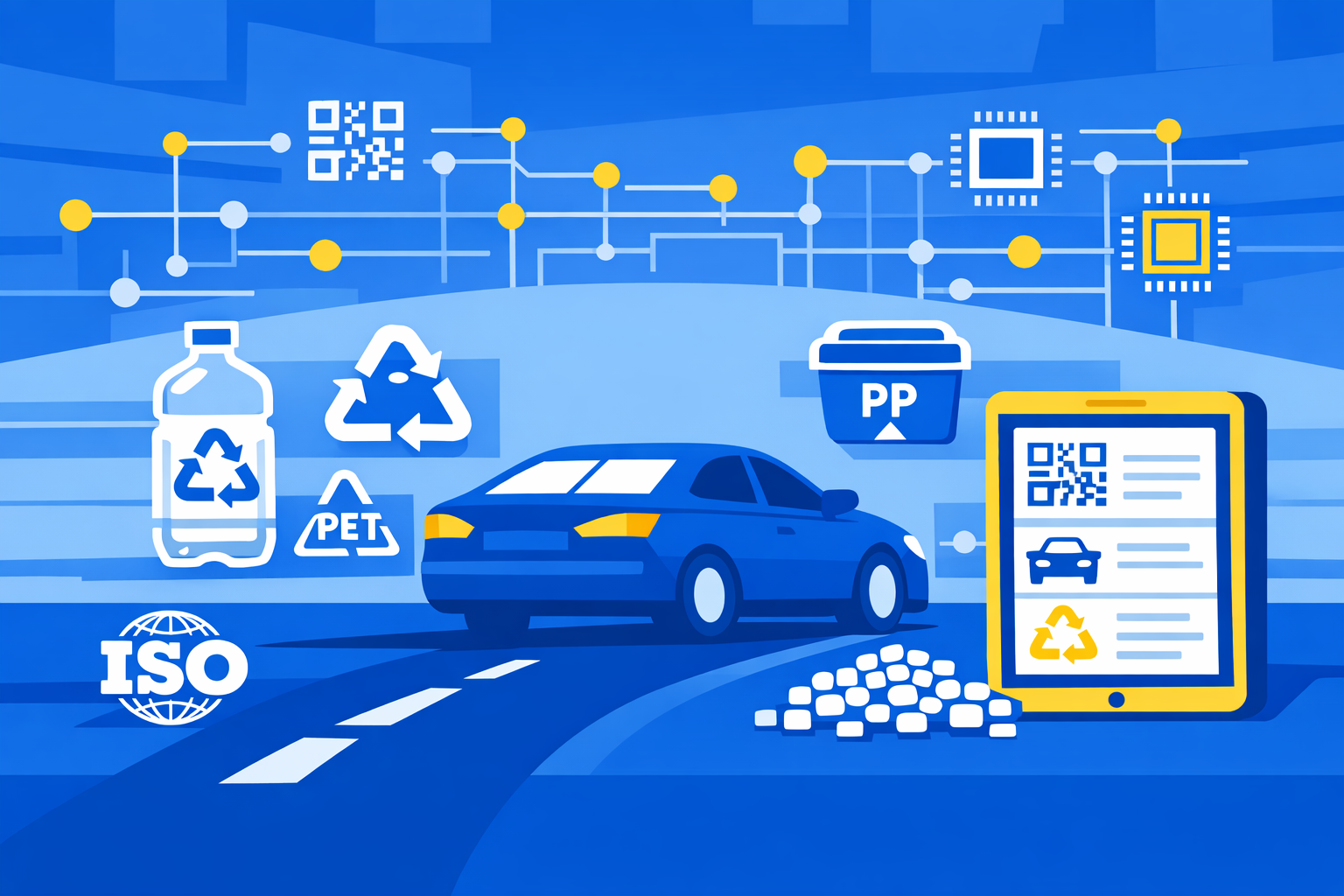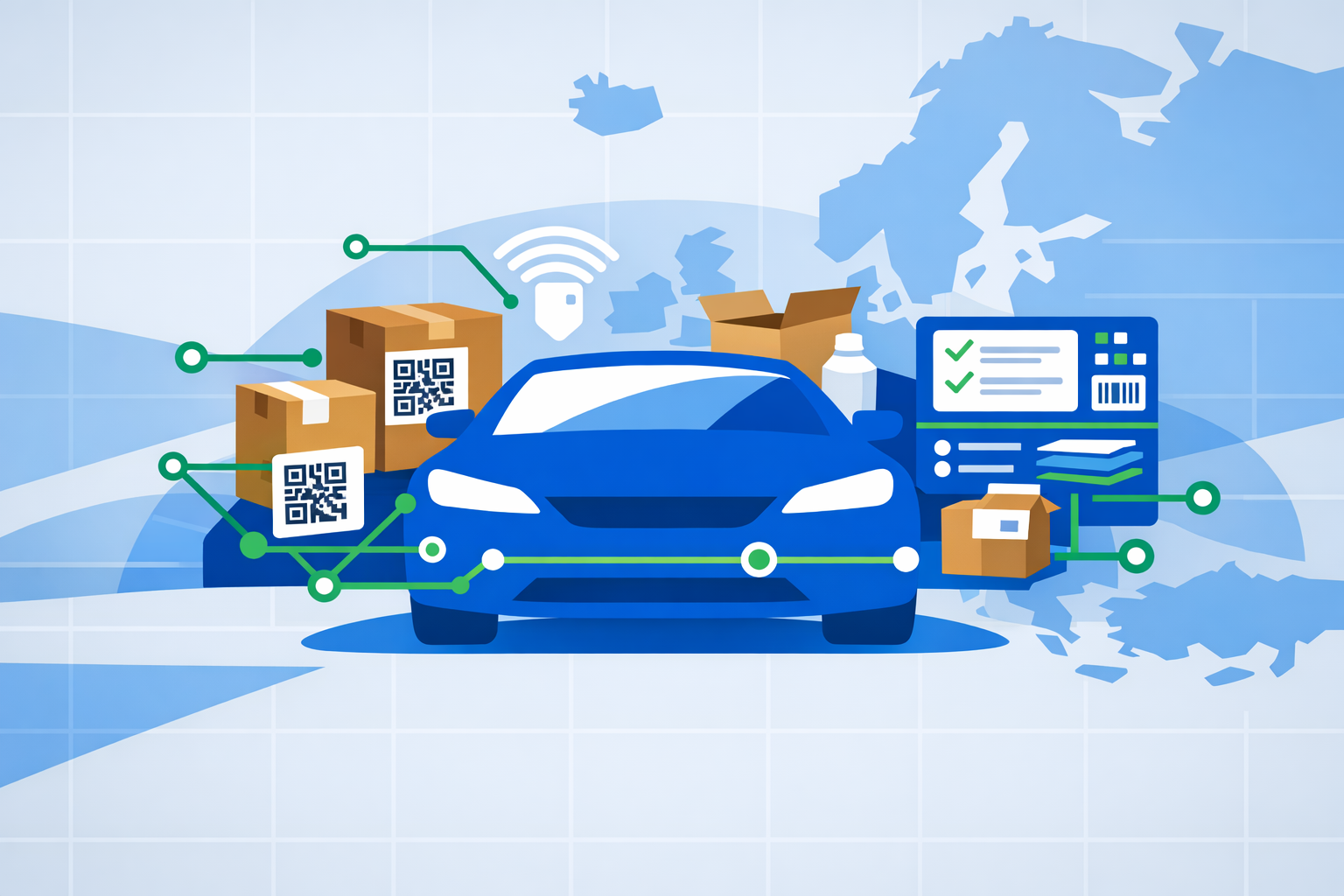
A growing number of North American auto parts distributors and OEMs are running AI-enabled in-line packaging pilots designed to cut transit damage, reduce carton waste, and align operations with recycled-content regulations taking effect in 2026. The trials integrate machine vision, dynamic cushioning selection, and weight-optimized carton sizing directly with warehouse management systems, enabling real-time packaging decisions based on product dimensions, fragility ratings, and shipment mode - without manual intervention.
Background
The timing of these deployments is no coincidence. The EU's Packaging and Packaging Waste Regulation (PPWR), which came into force in February 2025, becomes fully applicable on 12 August 2026, imposing a unified EU-wide legal framework covering recyclability, labelling, and reuse standards for all packaging placed on the market. For multinational auto parts suppliers shipping into Europe, the PPWR means that even imported or third-country packaging must comply with the new requirements starting August 2026.
Pressure is equally intense in the Americas. Brazil's President Lula issued Decree No. 12,688 in October 2025, establishing mandatory reverse logistics systems for plastic packaging and setting minimum recycled-content requirements for new plastic packaging, with recovery targets beginning in 2026 at 32% of plastic packaging. The decree explicitly covers industrial and transport packaging, including the automotive sector. In the United States, as of late 2025, seven states have enacted packaging EPR laws, with Colorado set to become the second state with an active EPR program in mid-2026. California's recyclability labelling law, SB 343, is also set to take effect in October 2026.
Against this backdrop, packaging engineers and supply chain directors face simultaneous pressure to lower damage-related return costs and to demonstrate material traceability and recycled-content compliance - requirements that previously operated on separate tracks.
Details
The operational case for AI-driven in-line systems centers on right-sizing and void-fill optimization. According to PMMI's 2026 report, Building an AI Advantage in Packaging Equipment, key benefits of AI in packaging include predicting maintenance needs, meeting regulatory requirements, and making data more accessible - with more companies now using AI in everyday operations rather than just testing it. On the warehouse floor, AI models can simulate thousands of packing configurations in seconds to determine optimal item orientation, minimizing void space and calculating the exact cushioning required based on each SKU's fragility. For auto parts - a category spanning fragile sensors and heavy driveline components - that per-SKU precision directly reduces both over-packaging and damage claims.
Machine vision serves as the primary sensing layer. AI-powered machine vision systems report over 90% fewer inspection errors and up to 95% lower defect rates compared with manual inspection methods. In one documented automotive-sector deployment, a global manufacturer of premium car batteries used AI vision software to automate the cell assembly and packaging process, with false-negative defect classifications dropping by 57.3%. Integration with WMS platforms closes the loop: Blue Yonder and Manhattan Associates have both embedded AI agents into their WMS platforms in 2026, enabling software to dynamically adapt packaging and fulfillment workflows in real time rather than following static rules. Machine learning algorithms applied in large distribution centers have reduced fulfillment costs by an estimated 10-15%.
Technical hurdles remain significant. Initial capital investment for machine vision systems ranges from $15,000-$50,000 for basic installations to over $100,000 for complex multi-camera setups, with most systems achieving ROI within 6-18 months. Integration with legacy warehouse infrastructure and sensor calibration across variable part geometries are cited as primary friction points. Change management - retraining operators and renegotiating packaging specifications with tier-2 suppliers - adds to implementation timelines.
On the supplier contract side, the shift toward AI-driven packaging is prompting new commercial terms. Regulatory frameworks such as the EU PPWR require companies to work closely with packaging suppliers to obtain proof of recycled-content percentages, test results for recyclability, and to update IT systems to generate and store digital declarations of conformity. Procurement teams increasingly incorporate performance-based incentives tied to damage rates and recycled-content verification, with some contracts now including audit rights for packaging material data - a direct response to compliance documentation requirements across multiple jurisdictions.
The global AI in packaging market is projected to be valued at $2.7 billion in 2026, growing to $7.9 billion by 2033, with machine learning accounting for an anticipated 42.8% market share. Smart warehousing is identified as the fastest-growing application segment within that market.
Outlook
Suppliers that establish AI-driven packaging data infrastructure now are positioned to meet both immediate damage-reduction objectives and longer-term recycled-content reporting obligations as mandates tighten through 2030. Colorado's EPR program plan is under review and will open for public comment ahead of its mid-2026 activation, while New York's Packaging Reduction and Recycling Infrastructure Act is expected to re-enter the legislative process in 2026 following a narrow failure in 2025. Distributors running current pilots will need to ensure their systems can generate the material traceability and packaging data outputs required by an expanding patchwork of state, federal, and international regulations - a technical requirement increasingly shaping both equipment selection and supplier contract terms.
For related coverage, see our earlier reporting on modular AI packaging lines scaling across automotive warehouses and AI and reusable packaging in automotive cold chain logistics.