Digital watermarking technology developed under the HolyGrail 2030 initiative is advancing from early R&D trials to industrial-scale pilots focused on polypropylene (PP) packaging in the automotive supply chain. Recent large-scale validations have demonstrated high-speed, high-accuracy sorting at the SKU level, establishing a foundation for improved circularity in automotive plastics.
Background
HolyGrail 2.0, led by the AIM-European Brands Association and supported by the Alliance to End Plastic Waste, concluded in March 2025. The project demonstrated the technical feasibility of using invisible digital watermarks with near-infrared (NIR) sortation to enhance recycling rates across rigid and flexible plastic packaging streams {{cite:}}{{cite:}}. Between August and December 2024, industrial trials at the Hündgen Entsorgung facility in Germany processed over 5.66 million items across 5,949 unique SKUs. Daily detection averaged nearly 56,000 items, with detection efficiencies consistently above 90% and peaking at 93.8% {{cite:}}{{cite:}}. These outcomes advanced the technology to Technology Readiness Level 9, indicating it is ready for operational deployment {{cite:}}{{cite:}}.
Details
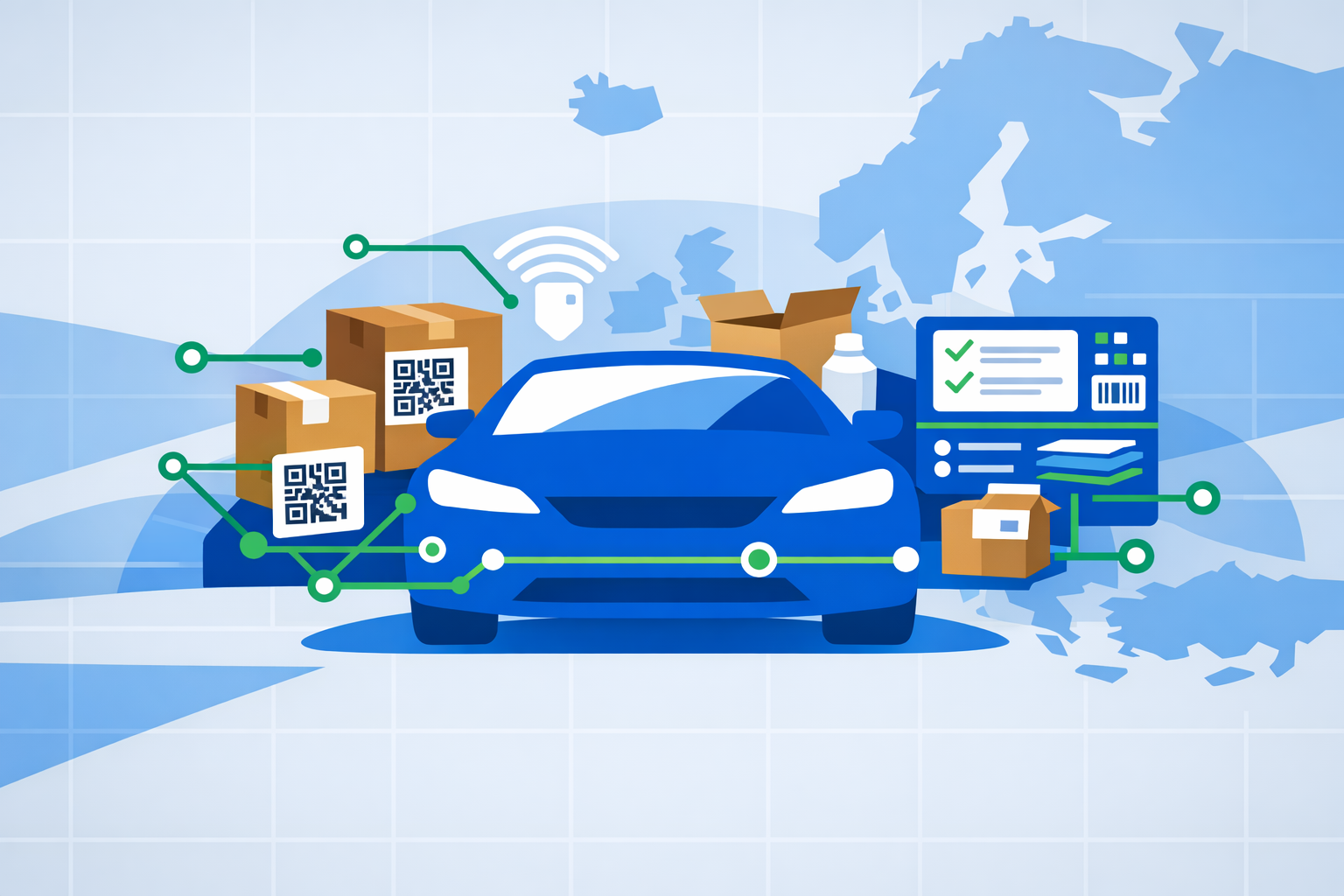
In April 2025, Digimarc reported that HolyGrail 2.0 trials achieved unprecedented SKU-level sorting accuracy in real-world conditions, confirming the system's readiness for commercial deployment. This large-scale validation enabled rapid, precise sorting of post-consumer rigid plastic packaging, supporting compliance with the Packaging and Packaging Waste Regulation (PPWR) by facilitating traceability and segregated recycling streams {{cite:}}{{cite:}}.
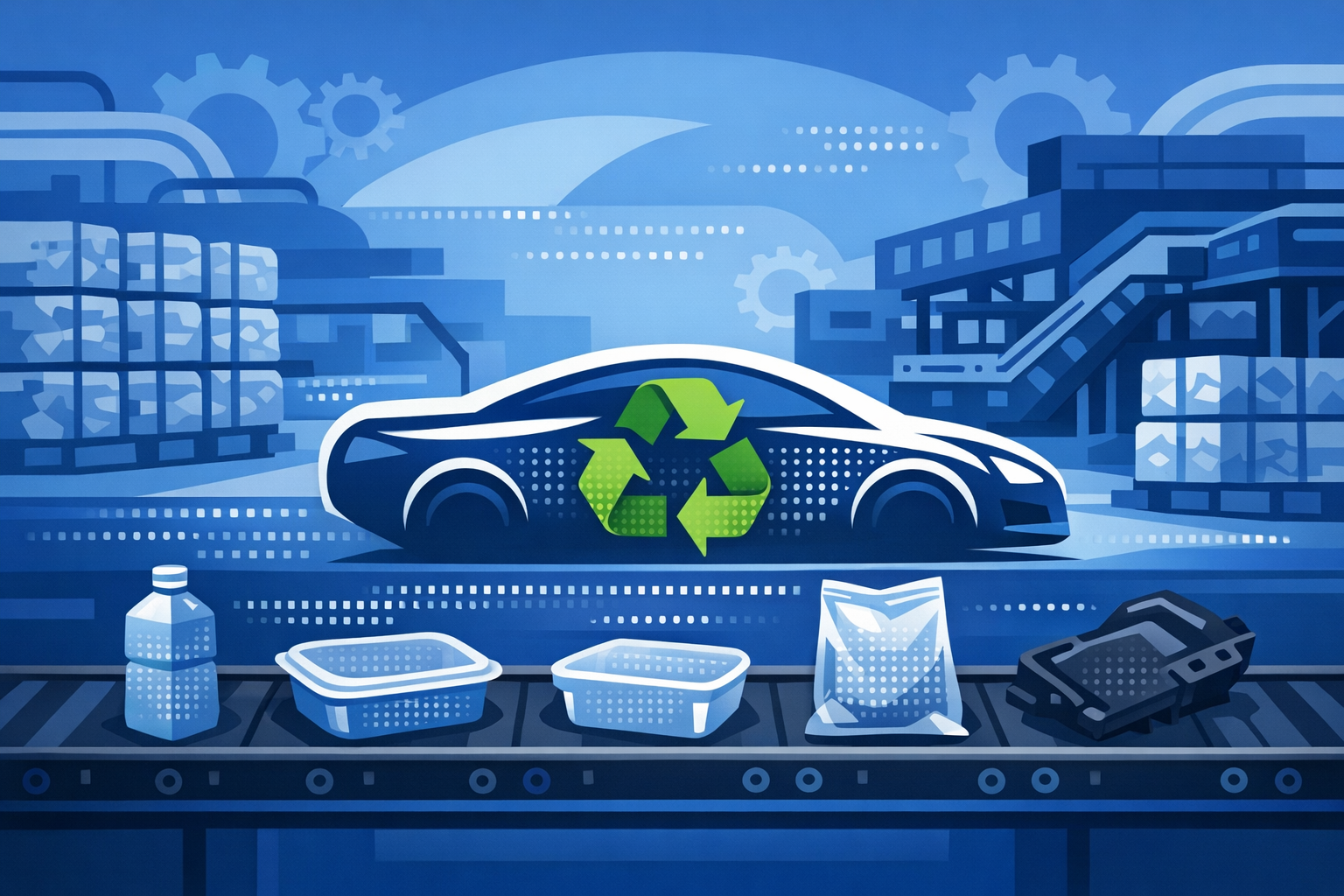
Flexible packaging trials also showed promising results. From December 2023 to February 2024, Hündgen Entsorgung ran sorting trials for digitally watermarked PP films (food-grade) and LDPE films (hygiene-grade), achieving high-purity recycling streams not possible with conventional NIR sorting alone {{cite:}}{{cite:}}.
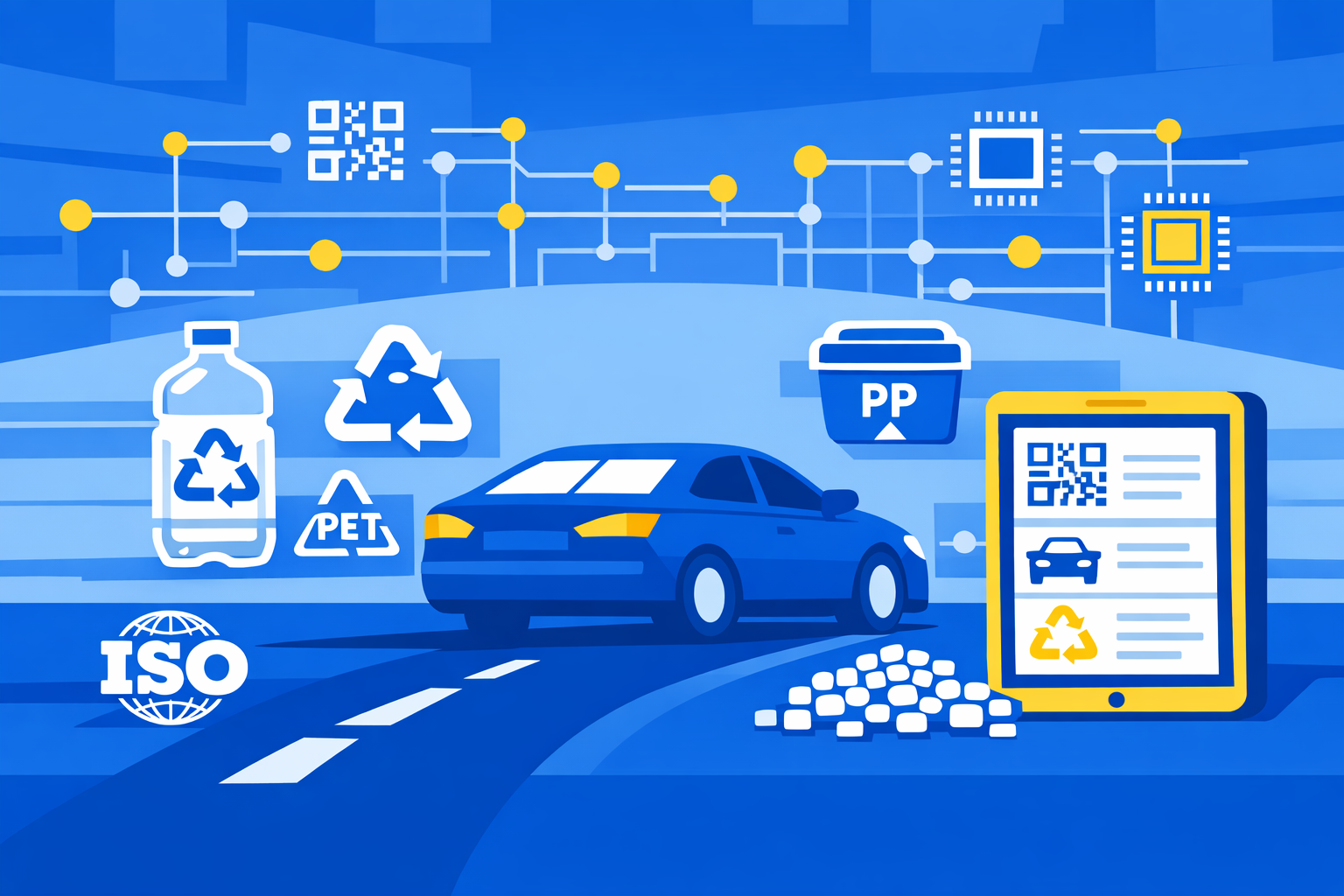
With this progress, HolyGrail 2030 launched in April 2025 to focus on economic viability and scalable adoption, with particular emphasis on PP packaging as a strong candidate for circular material flows in the automotive sector {{cite:}}.
Outlook
HolyGrail 2030 has already initiated early-adopter programs. Belgium is piloting flexible PP food packaging, while Germany is targeting rigid PP for food applications to validate label-grade recycled PP production under commercial conditions {{cite:}}. Success in these pilots could impact automotive OEMs and suppliers seeking to comply with stricter recycled content mandates, traceability requirements, and producer responsibility obligations by 2030.
Widespread adoption will require supply chain alignment, including upstream watermark embedding by converters, capital investment in sorting facility technology, and standardization of watermark density and encryption protocols. Automotive stakeholders must also integrate watermark data into sustainability reporting and quality assurance systems to enable circular PP uptake.
If adoption continues as projected, HolyGrail 2030 could enable scalable, traceable PP recycling that supports regulatory compliance and provides cost efficiencies throughout the automotive value chain.