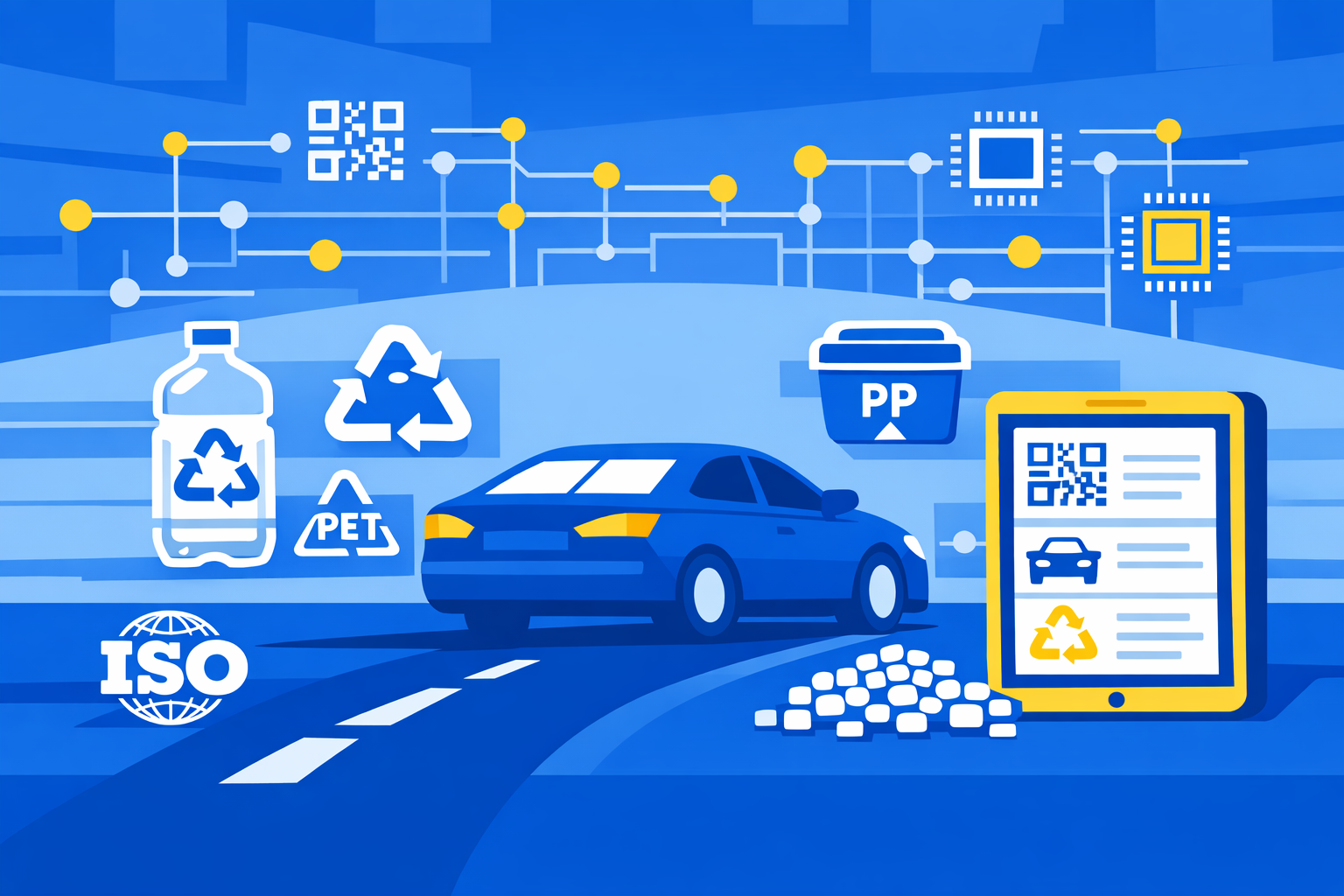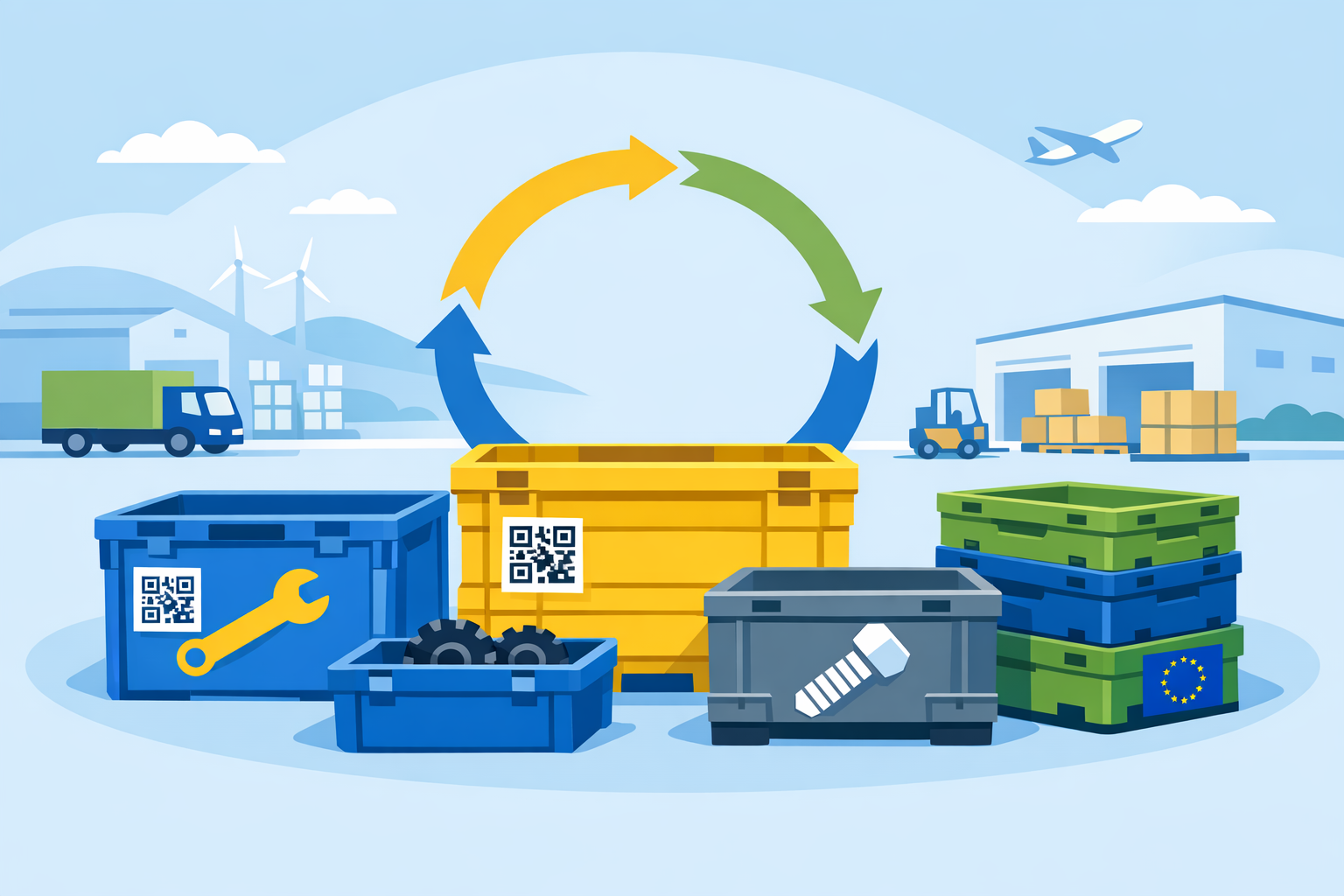
The European Union has introduced rules to standardize reusable packaging across the automotive aftermarket parts supply chain, targeting cost reductions and improved sustainability by 2030. The regulation aims to align transport packaging requirements across member states, promoting circular economy outcomes for distributors, original equipment manufacturers (OEMs), and recyclers.
Background
The EU's Packaging and Packaging Waste Regulation (PPWR, Regulation (EU) 2025/40) took effect in February 2025 and will apply in all member states from 12 August 2026. This regulation replaces the previous directive, requiring all packaging to be designed for recyclability or reusability by 2030. It introduces strict targets for recycled content and restricts harmful substances, such as PFAS. A significant provision mandates that only reusable transport packaging be used within the same member state starting 1 January 2030, with at least 95% of transport packaging required to be reusable from that date. These measures aim to establish harmonized EU-wide standards for packaging performance and environmental impact.[1]
The automotive sector faces similar regulatory developments. In December 2025, Members of the European Parliament (MEPs) and EU institutions reached a provisional agreement on rules for vehicle circularity, requiring car designs to enable component reuse and introducing recycled plastic targets. This aligns with the broader move toward cradle-to-cradle practices in automotive supply chains.[2]
Details
The PPWR sets specific reuse quotas for transport and sales packaging, aiming for a 40% reuse rate by 2030. Automotive aftermarket packaging-including crates, boxes, electrostatic discharge (ESD) packaging, and corrosion-protection solutions-could achieve these targets through reusable systems designed for industrial logistics. The German Environment Agency (UBA) has released fact sheets supporting reusable packaging and refill systems, demonstrating Germany's early alignment with EU objectives.[3]
Under Article 26 of the PPWR, starting 1 January 2030, economic operators-including online platforms-must use only reusable transport packaging within the same member state. On the same date, 95% of transport packaging must be reusable. Harmonized EU-wide labeling and digital traceability requirements are due by August 2028.[4]
Industry stakeholders such as distributors, OEMs, and recyclers are addressing cross-border logistics by piloting returnable crate systems, modular packaging, and QR code tracking. As of early 2026, official statements from these stakeholders were not publicly available.
Outlook
With the PPWR enforceable from August 2026 and critical reuse and recyclability targets effective from 2030, automotive aftermarket companies must rapidly adapt packaging systems. Forthcoming labeling and digital tracking rules in 2028 will also impact compliance. As regulatory requirements intensify, early adopters may achieve cost efficiencies and greater supply chain resilience.