A new wave of consumer data shows Generation Z is placing unprecedented pressure on sustainability claims in packaging, with implications extending directly into automotive supply chains as suppliers and OEMs prepare for tightening EU regulations.
More than nine out of 10 respondents to a Packaging Digest survey of Gen Z consumers conducted in late 2025 said packaging sustainability is somewhat, very, or extremely important to them when deciding what product to buy. The findings are part of a broader pattern across multiple 2025 studies, all pointing to a generation unwilling to accept unverified environmental claims - a shift that packaging engineers and supply chain directors in the automotive sector can no longer ignore.
Background
Gen Z - born between 1997 and 2012 and currently ranging in age from 14 to 29, according to Packaging Digest - is entering its peak purchasing years. According to Bank of America Global Research, the cohort is projected to hold global income of $36 trillion by 2030 and $74 trillion by 2040, driven by career growth and an intergenerational wealth transfer from Baby Boomers. Brands across industries are recalibrating to secure this demographic's loyalty before preferences solidify.
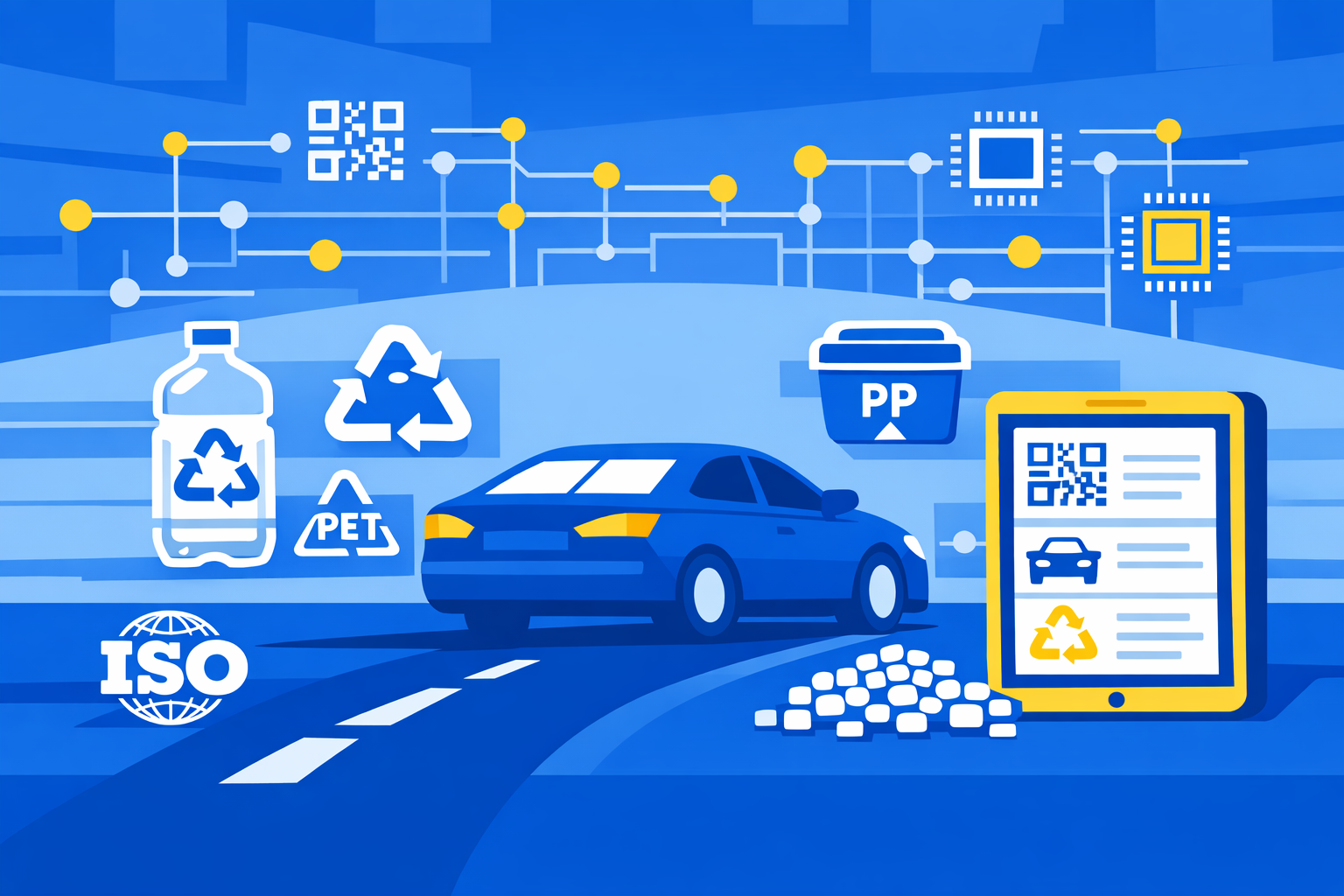
In parallel, the regulatory environment is hardening. The EU's Packaging and Packaging Waste Regulation (Regulation EU 2025/40, or PPWR) entered into force on 11 February 2025 and will generally apply from 12 August 2026. The regulation - which covers all packaging regardless of material or industrial origin - requires all packaging placed on the EU market to be recyclable by 2030 and introduces harmonized labeling requirements, including material composition details and QR-code-linked environmental data. For automotive suppliers shipping components into European markets, the compliance window is now less than 16 months away.
Details
The trust deficit between Gen Z and corporate sustainability messaging is stark. According to Shorr Packaging's 2025 Sustainable Packaging Consumer Report, 88% of Generation Z consumers do not trust corporate environmental claims. Nearly half of Gen Z respondents - 49% - said they would be willing to pay more for eco-friendly packaging, yet that willingness is conditional on verified, substantiated claims rather than vague on-pack language.
McKinsey & Company's 2025 global sustainability in packaging survey, which canvassed more than 11,000 consumers across 11 countries representing approximately 66% of global GDP, found that in every country surveyed, consumers ranked "recyclable" as the single most important on-pack sustainability claim. The pattern held across geographies, reinforcing recyclability as the primary credibility signal for packaging.
Research published in Young Consumers in 2025, led by Universitat Oberta de Catalunya researcher Elisenda Estanyol and drawing on data from nearly 9,000 respondents across six countries, concluded that Gen Z members are especially sensitive to greenwashing and prepared to shun companies that are inconsistent with their environmental messaging. "The study shows a generation that is especially sensitive to greenwashing and ready to hold companies accountable when they say one thing and do another," Estanyol stated.
For the automotive sector, the challenge translates into supplier qualification criteria. Automakers increasingly pass sustainability requirements down to tier-one and tier-two suppliers through contract terms. Under the EU PPWR, traceability tools that support mass balancing will be essential for compliance to verify recycled content claims, prevent greenwashing, and build trustworthy supply chains, according to analysis by supply chain software firm Circularise. Environmental claims may appear on packaging under the PPWR only if the packaging properties demonstrably exceed applicable minimum regulatory requirements - a provision that directly curtails the generic "eco-friendly" labeling Gen Z consumers have already begun rejecting.
The regulation also introduces standardized QR-code-linked disclosures, meaning automotive packaging entering European distribution channels will need to support digital traceability for material composition and recyclability status - aligning compliance requirements with the transparency younger consumers demand at the point of purchase.
Outlook
With the PPWR application deadline of August 2026 approaching, automotive OEMs and their tier suppliers face a compressing timeline to audit packaging portfolios, update supplier contracts to reflect recycled-content mandates, and implement lifecycle assessment documentation. The European Commission is also assessing whether to revoke or significantly amend the Green Claims Directive, which was proposed to combat greenwashing but faces pressure over administrative burdens - a regulatory uncertainty that packaging compliance teams will need to monitor. Meanwhile, US-based EPR schemes in states including California, Oregon, and Maine are expanding, suggesting that the transparency requirements now concentrated in Europe may progressively reach North American automotive supply chains as well.