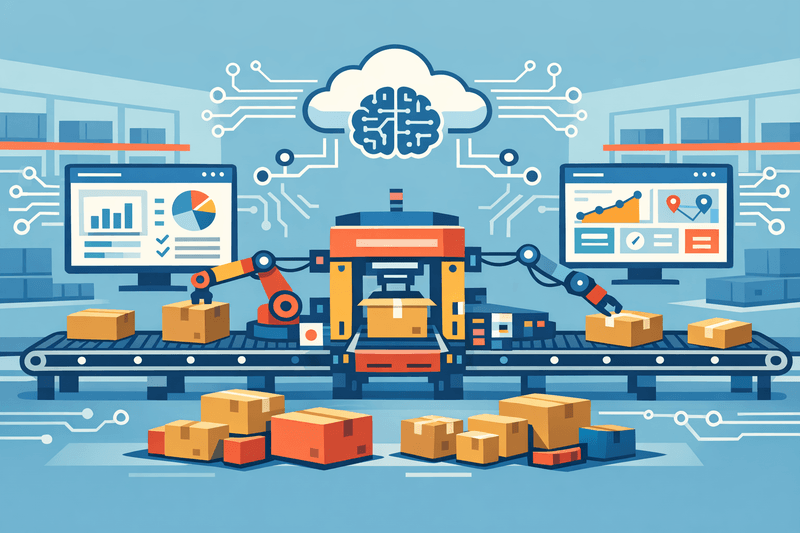
Automotive warehouses are implementing modular, AI-driven packaging systems integrated with ERP and WMS platforms to boost efficiency ahead of an anticipated demand surge in 2026. These solutions support real-time predictive maintenance, AI-powered right-sizing, and enhanced scalability, allowing automakers to manage increasing parts and vehicle volumes more effectively.
Background
Automotive supply chains face increasing complexity as demand is projected to rise through 2026. Warehousing operations must handle larger volumes while controlling labor and material costs. The packaging machinery market is forecast to grow at 5.8% annually, reaching US $71.1 billion by 2026, fueled by demand for flexible, automated, and integrated packaging solutions.Packaging machinery market is projected to expand by 5.8 percent annually, reaching $71.1 billion by 2026
The adoption of AI in warehousing is accelerating. By early 2026, AI-driven orchestration and robotics are becoming operational standards, supporting real-time decision-making, predictive maintenance, and adaptive workflows.
Details
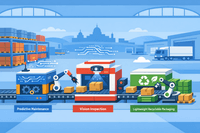
Modern modular packaging systems directly interface with ERP and WMS platforms, enabling automated order data exchange and reducing errors. Real-time system connectivity enables accurate right-sizing of cartons based on product dimensions and shipment profiles, minimizing corrugated usage, void fill, and dimensional weight fees. Integrated IoT sensors and automated quality control systems enhance traceability and consistency, even at high throughput rates.
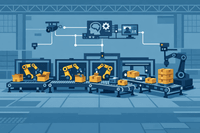
Predictive maintenance is facilitated by AI-driven analytics and sensor networks that continuously monitor equipment, identifying maintenance needs before failures occur. This approach reduces unscheduled downtime and helps sustain uninterrupted operations.
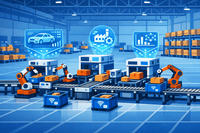
Modular architecture enables packaging lines to scale with fluctuating demand-installing additional modules during peak periods and streamlining during slower phases. This flexibility lowers implementation risks and capital expenditure compared to full-scale traditional upgrades.
Workforce responsibilities are evolving as personnel move from repetitive manual tasks to supervising AI-orchestrated systems. Staff focus on managing dashboards, analyzing performance data, and coordinating robotics, shifting toward analytical and supervisory roles.
Outlook
As parts and vehicle traffic rises toward 2026, modular AI-powered packaging lines are expected to become the standard for warehousing operations. Their scalability and tight integration with ERP and WMS platforms support cost efficiency, sustainability, and resilience. Broader deployment is anticipated across third-party logistics firms and tiered suppliers as demand-responsive packaging gains momentum.