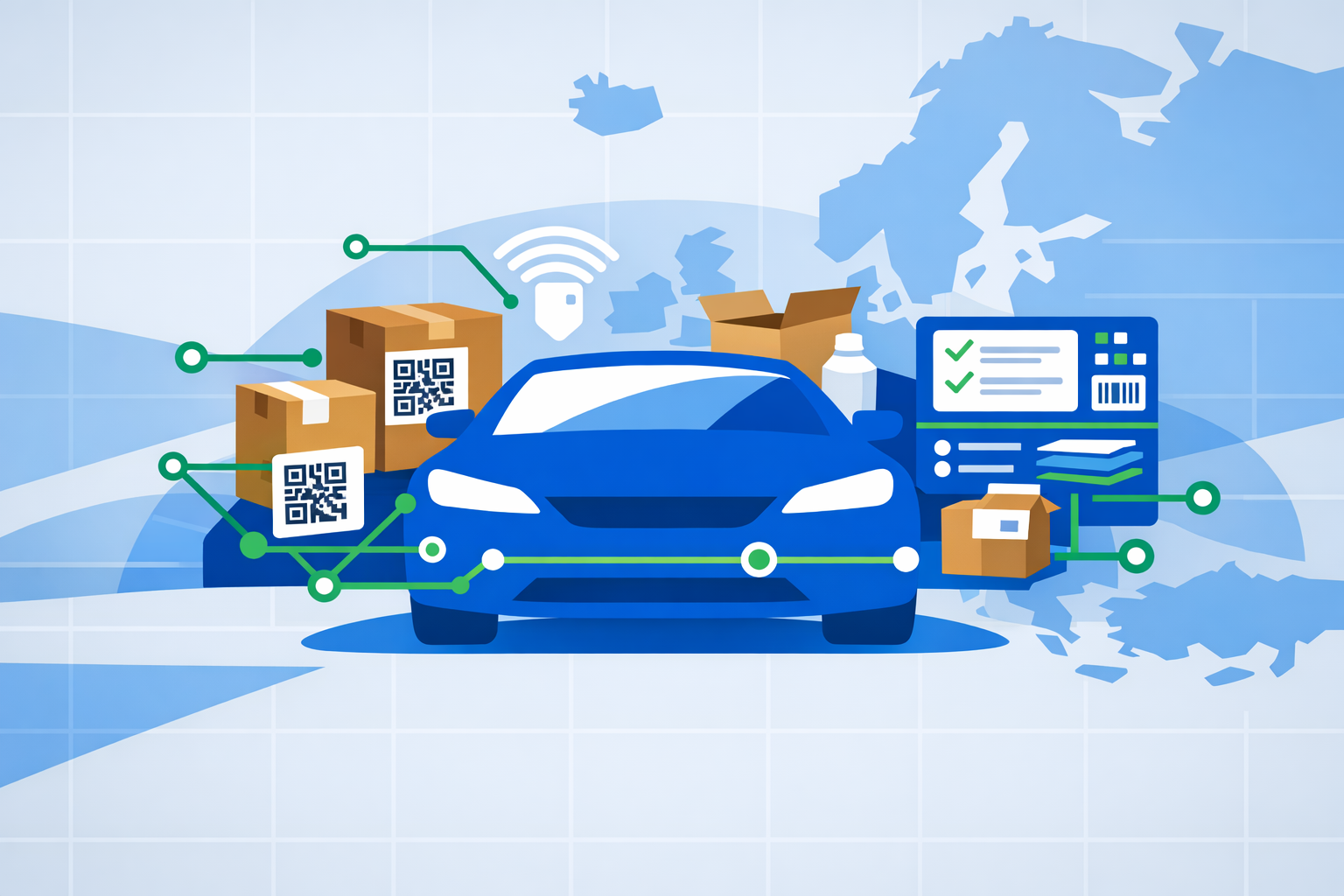
Premade pouches are gaining traction in North American and EU automotive spare-parts logistics as lighter, space-efficient, and sustainable alternatives to rigid packaging. Automakers and suppliers are testing pouch formats for small and mid-size components to reduce weight, optimize warehouse throughput, and improve end-of-life recyclability. The transition reflects growing regulatory pressure and OEM mandates targeting lower transportation emissions and increased circularity.
Background
Automotive packaging represents a significant portion of supply-chain emissions. Logistics accounts for up to nearly one-fifth of total CO₂ emissions, according to industry consulting firm 4flow. Traditional rigid packaging, though protective, typically increases bulk and weight, thereby raising fuel consumption and storage requirements. Regulatory frameworks, including the EU Packaging and Packaging Waste Regulation (PPWR) and Germany's VDA 4560, are driving OEMs and suppliers to develop more recyclable and resource-efficient packaging across the supply chain. These standards require improved material efficiency and closed-loop design by 2030.
Details
Several packaging manufacturers have introduced premade or flexible pouches for automotive spare-parts logistics. EK-Pack provides stand-up pouches from recyclable PE or PP films, with optional EVOH barrier layers for dust and moisture protection, strong seals, and potential material reduction. These pouches can incorporate recycled or renewable inputs.
Walki has developed barrier liners designed for corrugated or solid board packaging, featuring moisture-resistant, non-scratching, and grease-proof surfaces. These products use recyclable substrate formats to support sustainability goals.
Paper-based solutions, such as Papair's padded bags, wraps, sleeves, and sheets, are fully recyclable through paper waste streams and comply with PPWR requirements. Papair reports that its products can reduce total costs by up to 25 percent compared to plastic-film alternatives while lowering license fees.
Cost and operational considerations are still under review. Flexible pouches provide weight and space savings and may lower freight emissions, but their multilayer laminate structures (e.g., PE/EVOH) can complicate recycling. Paper-based options enhance recyclability but may compromise barrier performance. Suppliers are evaluating die-cut capabilities, barrier properties, and machinability in automated packing lines. Early pilots in North America and Europe are exploring impacts on throughput, reverse logistics, and recyclability certification.
Outlook
As pilot programs advance, automotive supply-chain participants will assess whether premade pouches satisfy protection, labeling-including cross-border and OEM requirements-and sustainability certifications at scale. Long-term adoption will depend on material selection, recyclability, and integration with warehousing and return logistics.