The US Environmental Protection Agency (EPA) released revised Extended Producer Responsibility (EPR) guidelines this month, clarifying recycled-content thresholds and reporting requirements for automakers and tier-one suppliers under the 2026 packaging mandates. The update establishes minimum recycled-content percentages for plastic packaging in spare-parts shipments, defines verification and certification processes, and outlines penalties. These changes are prompting industry stakeholders to renegotiate supplier contracts and adjust material sourcing and logistics strategies.
Background
The updated EPR framework builds on emerging state regulations and reflects global pressures to increase packaging recyclability and recycled content. Several states-including California, Colorado, Maryland, and Washington-require producers to register, report material data, and pay eco-modulated fees based on recyclability or post-consumer recycled (PCR) content . In California, producers must submit CY 2025 data by May 31, 2026, with early fees possible in 2027 . Colorado and Oregon have similar reporting deadlines on May 31, 2026, with invoice schedules in 2026 . Maryland and Washington mandate producer responsibility organization (PRO) registration by mid-2026 (sources: EcoEnclose, Compliance & Risks, IFDA).
At the federal level, the EPA's guidelines clarify application of PCR percentages to automotive packaging and introduce strict compliance documentation and audit protocols. These measures align with broader EPR mandates and follow precedents established in state rules.
Details
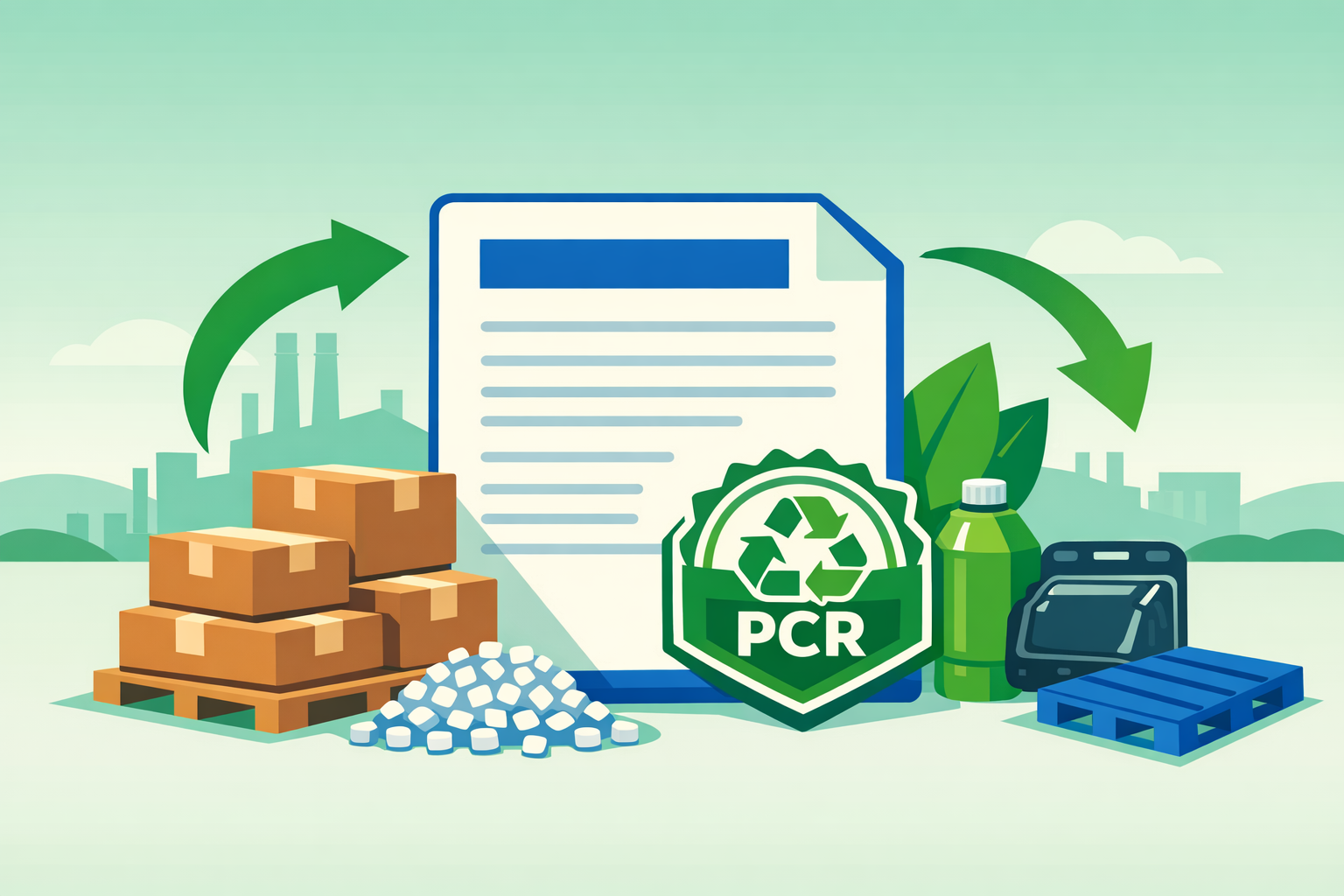
The EPA's guidance mandates minimum PCR thresholds for plastic packaging used in automotive spare-parts shipments and includes provisions for third-party certification, such as GreenBlue's Recycled Material Standard . Documentation and verification are required. Penalties for non-compliance are established, though specific figures have not been disclosed. Automakers are renegotiating contracts to specify PCR content, audit rights, and liability allocation, aiming to manage costs while maintaining performance standards.
Suppliers are updating material specifications, securing long-term PCR resin supply agreements, and modifying carrier and packaging designs to meet weight and content criteria. Industry associations recommend frameworks for governance, data transparency, and audit protocols to track compliance throughout the supply chain.
The new federal guidance places greater risk on suppliers and embeds responsibilities in contract language. Early adopter states' eco-modulation and fee structures serve as models for OEMs, who are integrating these frameworks into supplier agreements for clearer risk allocation.
Outlook
Automakers and suppliers are expected to finalize contract revisions and complete supplier onboarding by mid-2026, ahead of enforcement. Procurement and legal teams will likely formalize PCR thresholds and audit provisions within supplier qualification and logistics processes. As enforcement nears, the industry is anticipated to seek standardized certification and verification tools to streamline compliance across jurisdictions.