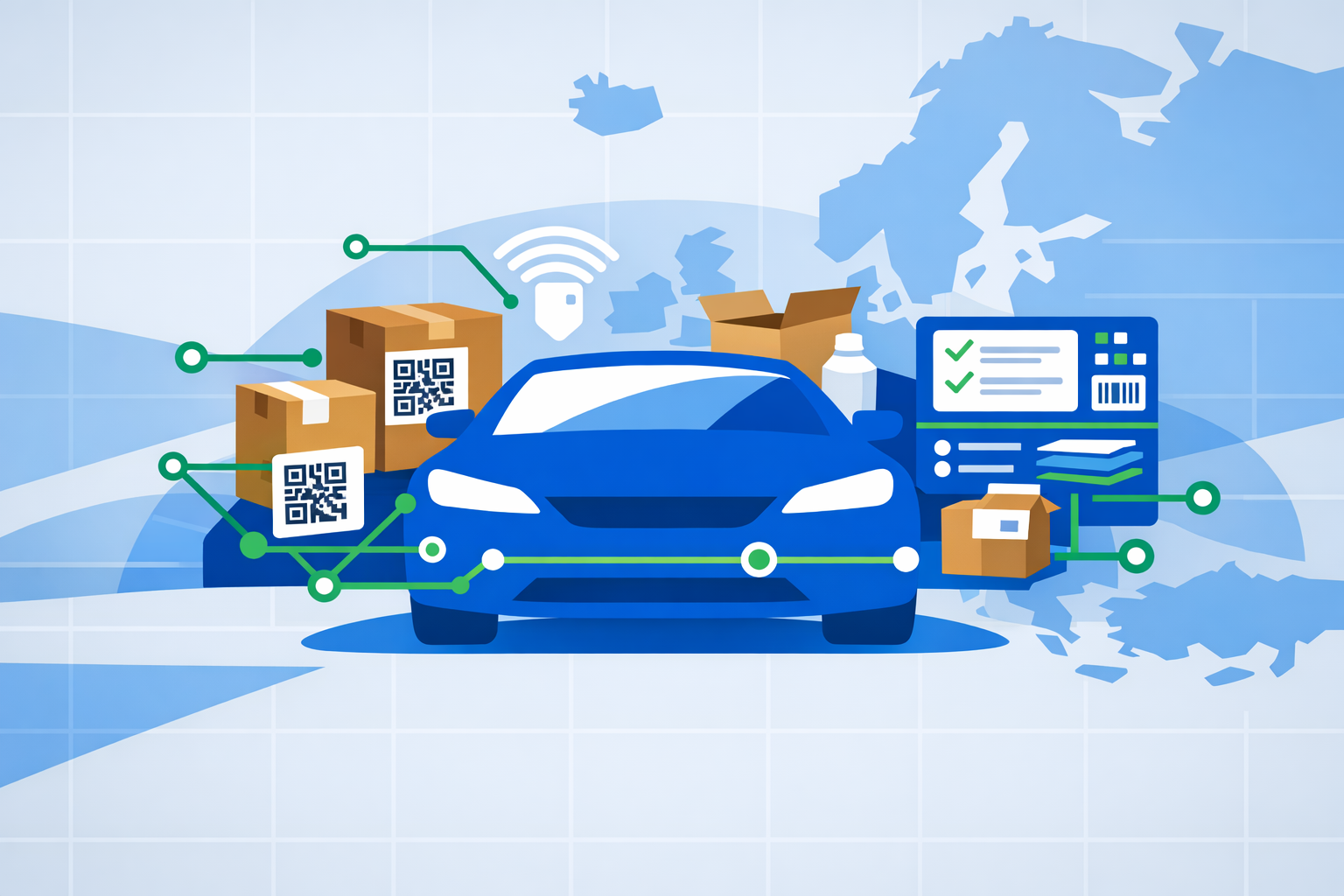
AI-driven monitoring, modular automation, and reusable packaging are transforming automotive cold chain logistics, particularly for electric vehicle (EV) batteries and high-value components. These advancements, adapted from pharmaceutical and food cold chains, are minimizing waste, improving visibility, and lowering costs for OEMs and suppliers throughout transit and storage.
Background
Reusable packaging and digital technologies have supported efficiency and regulatory compliance in sensitive cold chains. In pharmaceuticals, IoT-enabled reusable containers with real-time temperature and humidity tracking are now standard, using sensor-equipped units and data platforms tied to regulatory requirements[1]. More broadly, cold chain logistics employs AI-powered systems that predict demand with 85-90% accuracy and reduce delivery times and fuel costs by 15-25% with optimized routing[2]. These advances indicate a new direction for automotive logistics.
Details
FLEX Logistik has implemented an AI risk detection engine that tracks thousands of data points per minute. The system monitors environmental, mechanical, and electrical conditions, triggering predictive alerts and containment protocols to enhance thermal safety for battery shipments in the EU. This addresses compliance with the Battery Regulation (2023/1542), which requires full lifecycle tracking, from design to recycling[3].
The market for reusable cold chain packaging is moving toward smart, IoT-integrated containers, especially in pharmaceuticals. Modular, collapsible thermal containers and IoT tracking help ensure compliance, reduce spoilage, and improve transparency. These technologies are now being piloted for high-value goods like EV batteries[1].
Across cold chain sectors, AI drives predictive decision-making. Logistics platforms integrate WMS, TMS, IoT data, and physical assets to forecast disruptions, manage capacity, and optimize routes under thermal requirements[4]. Similar strategies are being evaluated for automotive cold logistics, where modular automation and sensor-based monitoring can streamline EV battery flows between OEMs and suppliers.
Outlook
Automotive logistics companies are planning cross-sector integration by 2026. Modular automation, IoT-enabled reusable packaging, and AI-based decision systems-modeled after pharmaceutical and food cold chain practices-are being deployed to meet stricter EU environmental and safety standards. Early adoption is expected in EV battery logistics, with broader use anticipated for other high-value automotive components.
Manufacturers and logistics providers are facing key decisions. These include investing in reusable container systems, adhering to EU battery traceability regulations, and deploying predictive logistics platforms to control costs and boost resilience and sustainability.