The European Union is extending its Digital Product Passport (DPP) framework to automotive packaging materials, requiring automakers, tier suppliers, and packaging producers to verify recycled-plastics data across their value chains. The move converges two major regulatory instruments-the Ecodesign for Sustainable Products Regulation (ESPR) and the Packaging and Packaging Waste Regulation (PPWR)-and sets enforceable traceability obligations that will reshape material sourcing, supplier audits, and sustainability claims for the automotive sector.
Background
The ESPR, anchored in Regulation (EU) 2024/1781, provides the legal backbone for the DPP system-a digital data container designed to record material composition, sourcing, recycled content, and end-of-life instructions for products placed on the EU market. Under the ESPR, manufacturers must supply structured, machine-readable data on materials, recyclability, and supply chain origins, according to packaging-gateway.com. The DPP is already being piloted through the EU Battery Passport, which mandates digital data requirements for certain battery types from 18 February 2027, according to legal analysis by Hogan Lovells.
In parallel, the PPWR (Regulation EU 2025/40) was adopted on 19 December 2024 and entered into force on 11 February 2025, replacing the long-standing Packaging Directive 94/62/EC with a unified framework applicable across all 27 Member States. General application begins on 12 August 2026, following an 18-month transition period. The regulation introduces binding recycled-content thresholds for plastic packaging and makes missing technical documentation grounds for market withdrawal and administrative fines, according to compliance analysis from dpp-tool.com.
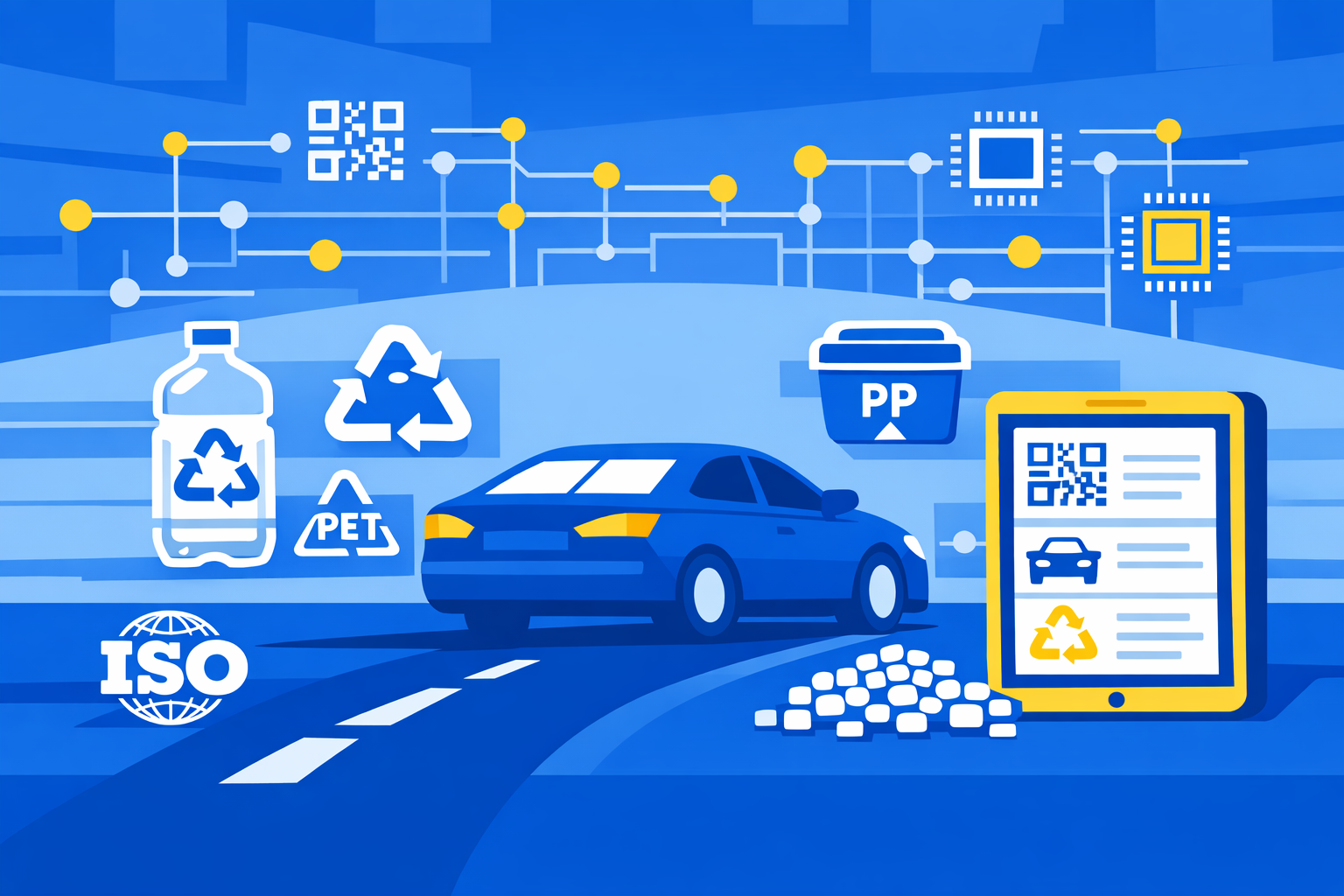
Automotive packaging occupies a distinct position within this framework. Starting in mid-2025, EU rules require automotive manufacturers to embed detailed material data into components via mandatory digital product passports, listing polymer types under ISO 1043, additives, fillers, and end-of-life handling instructions, according to Plastics Engineering magazine.
Details
The convergence of ESPR and PPWR creates a multi-layered data verification obligation for automakers and their packaging suppliers. Under the DPP system, packaging producers and brand owners must gather and maintain verified information on material composition-including the share and source of recycled plastics-linked to packaging through digital identifiers such as QR codes or RFID tags. This enables downstream access to auditable data, according to packaging-gateway.com.
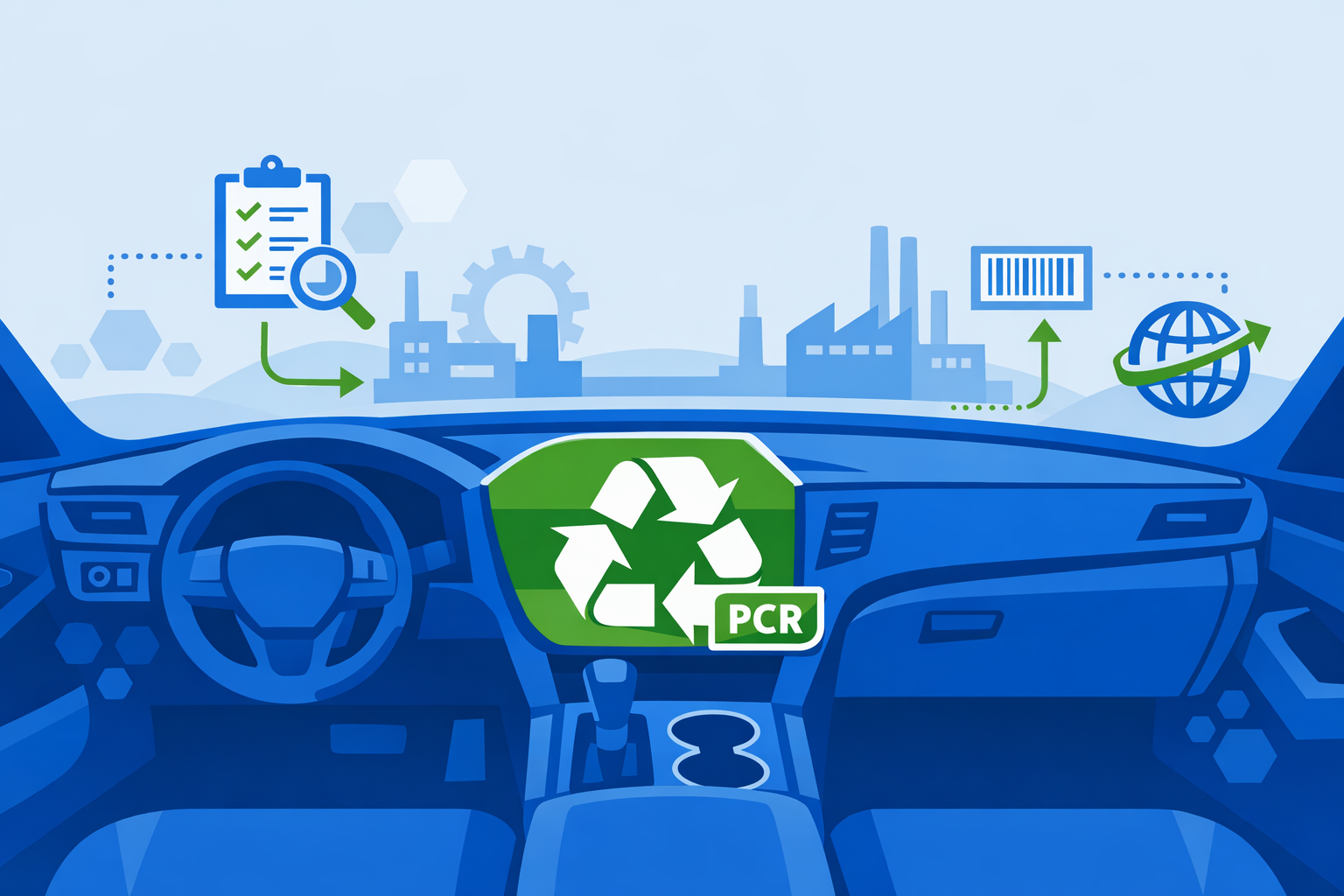
Recycled-plastics verification represents the most consequential compliance hurdle. The European Commission found in 2022 that 53% of environmental claims made by companies were vague, misleading, or unfounded, according to Karmactive. Under the DPP, claims about recycled content must be documented as an auditable percentage filed with the EU Central Registry-which is scheduled to launch on 19 July 2026. Labels such as "sustainable" or "eco-friendly" not backed by structured, standardized data will not satisfy compliance requirements.
From a material standpoint, PPWR mandates minimum recycled content thresholds for plastic packaging from January 2030, ranging between 30% and 65% depending on packaging category, according to Greenberg Traurig's regulatory analysis. To accommodate chemical recycling pathways, the regulation permits mass balance accounting under strict traceability and auditing rules. Supplier audit protocols are expected to tighten accordingly: systematic data collection, third-party verification coordination, and integration of verified material data into product-level records are among the practices identified as core compliance activities, according to Fiegenbaum Solutions.
Major automotive OEMs are already adapting. Stellantis has announced a target to use 40% recycled content in vehicle plastics by 2030, partnering with European recyclers for post-consumer polypropylene and polyamide compounds while maintaining full material traceability, according to Plastics Engineering. BMW Group is testing interior panels made entirely from recycled thermoplastics, according to the same source. Smaller tier suppliers, however, may face particular challenges: according to packaging-gateway.com, larger manufacturers are already investing in digital infrastructure, while smaller suppliers risk gaps in meeting new multi-tier data requirements.
Outlook
Between 2028 and 2030, the DPP requirement is expected to be extended to packaging and plastics as the Commission expands the ESPR working plan, according to Slimstock. Businesses that have not yet mapped their packaging materials against PPWR recyclability grades and DPP data fields face shrinking preparation windows. Once a delegated act is adopted for a specific sector, companies have 18 months before enforcement begins, according to Inriver. Supply chain directors and procurement leads in the automotive sector should expect supplier questionnaire cycles, third-party audit requirements, and sustainability claim disclosure updates to intensify through 2027 and beyond.