North American automotive suppliers are restructuring plastics procurement and packaging specifications as state-level recycled-content mandates and extended producer responsibility (EPR) programs intensify compliance pressure across the sector's supply chain.
Background
The regulatory landscape for plastic packaging in North America has shifted materially since 2022. In the past four years, seven U.S. states have enacted EPR laws for packaging, and ten states introduced or re-introduced packaging-related EPR bills in 2025. These programs span California, Colorado, Oregon, Maine, and Minnesota. While each state's requirements vary, they share common goals: reducing packaging waste, enhancing recycling, and holding producers accountable for the full life cycle of their products.
Standalone post-consumer recycled (PCR) content laws add a parallel layer of obligation. As of 2024, at least five states require recycled content in plastic packaging, with some of the most comprehensive requirements in California, Washington, and New Jersey. All state laws requiring PCR content stipulate that the material must be post-consumer.[1]
For automotive suppliers, these rules carry direct consequences. EPR programs typically apply to packaging regardless of sector, meaning OEMs and tier suppliers distributing service parts, fluids packaging, and aftermarket components through dealer channels must address new fee structures and recyclability criteria. In Colorado, eco-modulated fee structures charge lower rates for easily recyclable materials and higher costs for hard-to-recycle plastics-an incentive system designed to drive better packaging design.
Details
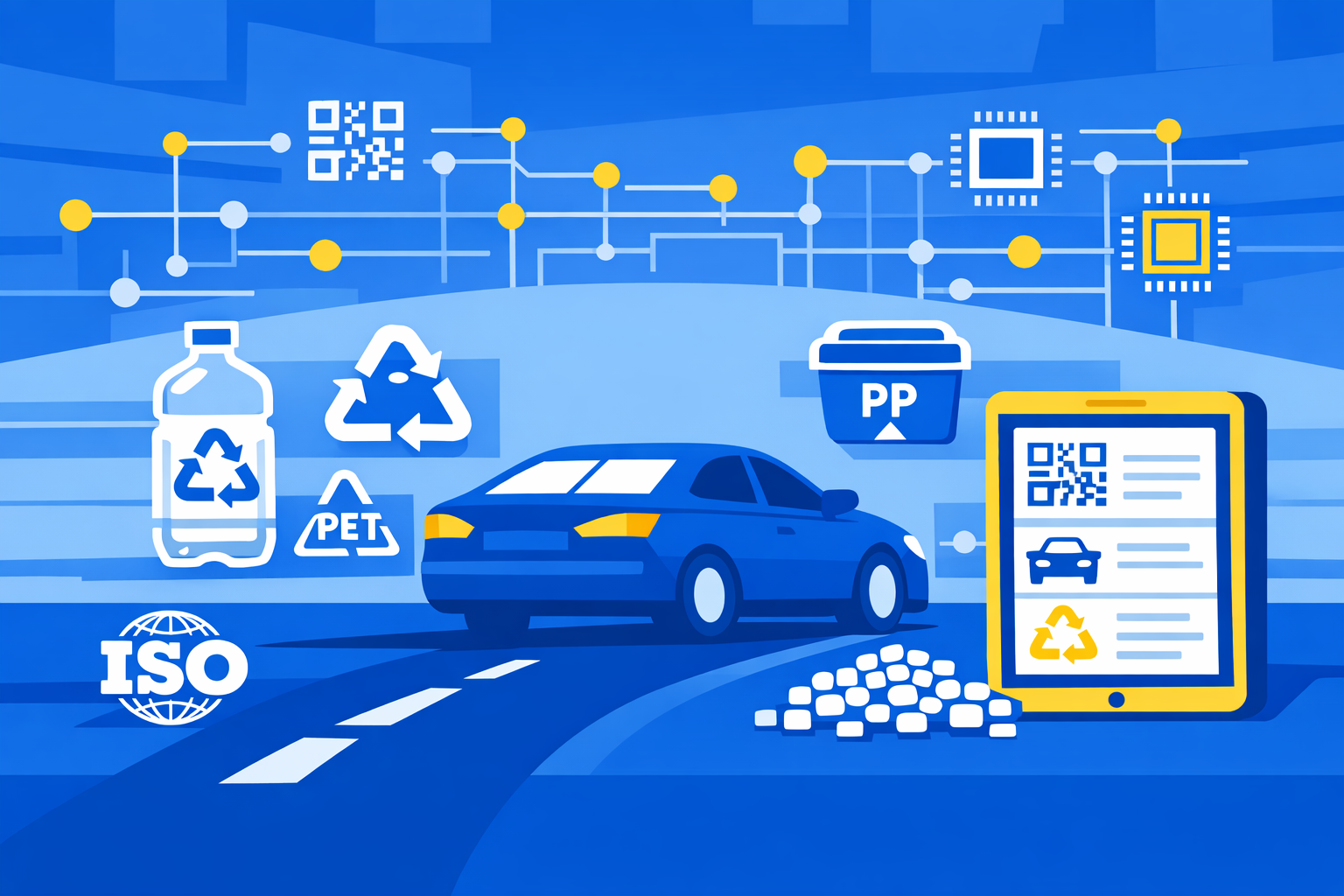
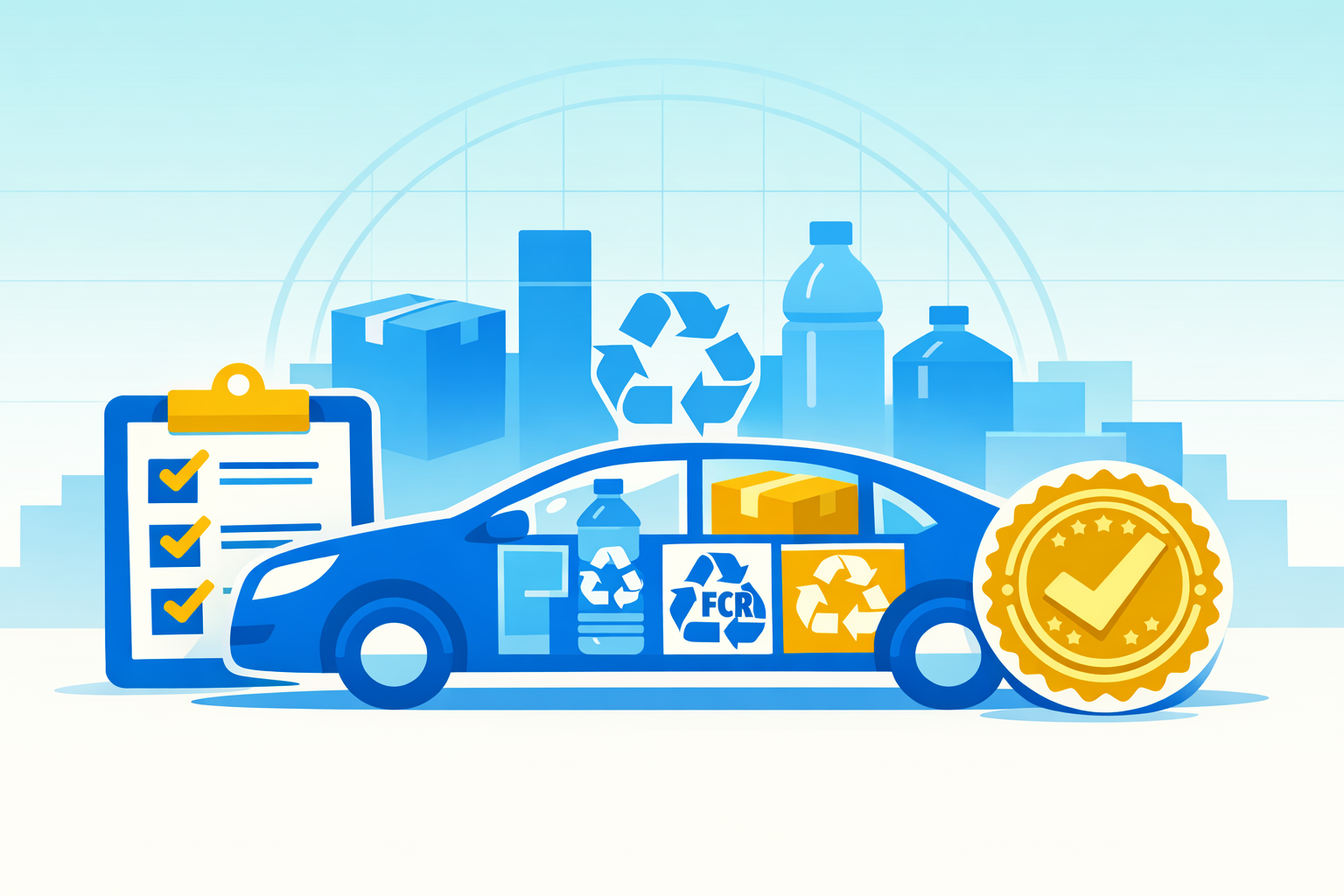
Third-party certification of PCR content is emerging as a critical compliance tool. The Association of Plastic Recyclers (APR) recommends third-party certification to confirm post-consumer sources and ensure chain-of-custody tracking, arguing it builds manufacturer confidence, proves compliance, reduces state oversight burdens, and increases transparency. Both Oregon and California cite APR's PCR Certification Program, or a similar scheme, for aspects of compliance with state laws, and more states are likely to include certification requirements.
APR's updated PCR Certification standard, released in early 2024, requires reclaimers seeking new or initial certification after April 1, 2025, to certify to the revised standard. The program helps meet legislative requirements, builds customer confidence, promotes standardization across the supply chain, and stabilizes the PCR market.
Scaling certified PCR supply for automotive applications remains a pronounced challenge. Approximately 12% by mass of end-of-life vehicles consists of plastics, yet current frontrunners use only 2-3% recycled content in their cars. The majority of material collected from end-of-life vehicles goes to landfill or energy recovery. An analysis by the EU's Joint Research Centre found that about 3% of plastics entering car manufacturing end up in the recyclates market.
Design-for-recyclability is the primary lever suppliers must pull to close that gap. In the EU, legally binding requirements now cover recycled content in plastics, digital product passports for traceability, and design-for-recycling mandates to ensure dismantling and material recovery are efficient and verifiable-a framework that global automotive OEMs are applying across their North American operations. For components such as mono-material polypropylene interior parts, introducing recycled content is more straightforward, making these the primary short- and medium-term targets for manufacturers.
Some OEMs have established concrete targets. Stellantis has stated a target to use 40% recycled content in vehicle plastics by 2030. Volvo has pledged to use at least 25% recycled plastics in every newly launched vehicle from 2025. Meanwhile, the global market for OEM-compliance-grade PCR automotive materials is entering a growth phase as post-consumer recycled materials engineered to meet strict OEM standards become increasingly integral to vehicle production across passenger cars, commercial vehicles, and electric mobility platforms.
Suppliers importing recycled content from overseas face additional scrutiny. Imported recycled-content plastic threatens the economic viability of U.S. recycling infrastructure, and the European Union faces similar concerns, with calls for regulations to protect domestic recyclers.
Outlook
In Canada, proposed measures target plastic waste management through mandates for minimum recycled content, recyclable and compostable labeling, and a goal for all packaging to be 100% reusable, recyclable, or compostable by 2028-though as of mid-2025, Canada had not yet set statutory recycled-content minimums for plastic products. If enacted, Canadian rules would add cross-border compliance complexity for suppliers operating integrated U.S.-Canada manufacturing and logistics networks. Procurement and sustainability teams at tier suppliers should monitor fee schedules activating in Colorado in 2026, Maine's anticipated stewardship organization launch later this year, and ongoing rulemaking under California's SB 54, where final regulations are expected to define eco-modulated fee structures that will directly shape packaging material decisions for years ahead.