Automakers and aftermarket distributors in Brazil are accelerating investment in urban micro-fulfillment centers and regional delivery hubs as surging online auto parts sales reshape last-mile logistics across the country's major metropolitan corridors. The shift is redefining service-level expectations for repair shops and end consumers while triggering immediate implications for spare-parts packaging formats, digital inventory management, and logistics workforce requirements.
Market Background
Brazil's last-mile delivery market reached USD 5.0 billion in 2025 and is projected to grow to USD 18.0 billion by 2034, at a compound annual growth rate of 15.3%.[1] The auto parts segment is a notable contributor to this expansion. The country's online auto aftermarket is valued at USD 1.5 billion, driven by increasing e-commerce penetration, rising vehicle ownership, and a growing preference for purchasing parts online. Online auto parts sales are projected to account for approximately 25% of total market sales in 2025, reflecting a significant shift in consumer behavior.
With over 87% of Brazil's population now living in cities, delivery demand in high-density areas continues to climb as consumers favor rapid fulfillment. However, heavy traffic congestion and limited downtown space make efficient last-mile execution essential, driving investment in micro-fulfillment centers and decentralized delivery hubs.
Operational Developments
E-commerce growth in Brazil has fundamentally changed distribution logic in the auto parts retail sector. With the market projected to surpass R$550 billion by 2027, the pursuit of operational efficiency has become imperative-and fulfillment is at the center of that effort. Traditionally reliant on physical sales and a fragmented ecosystem of distributors, representatives, and repair shops, the auto parts sector now sees fulfillment as a logistical alternative capable of meeting the expectations of a more digital and demanding consumer.
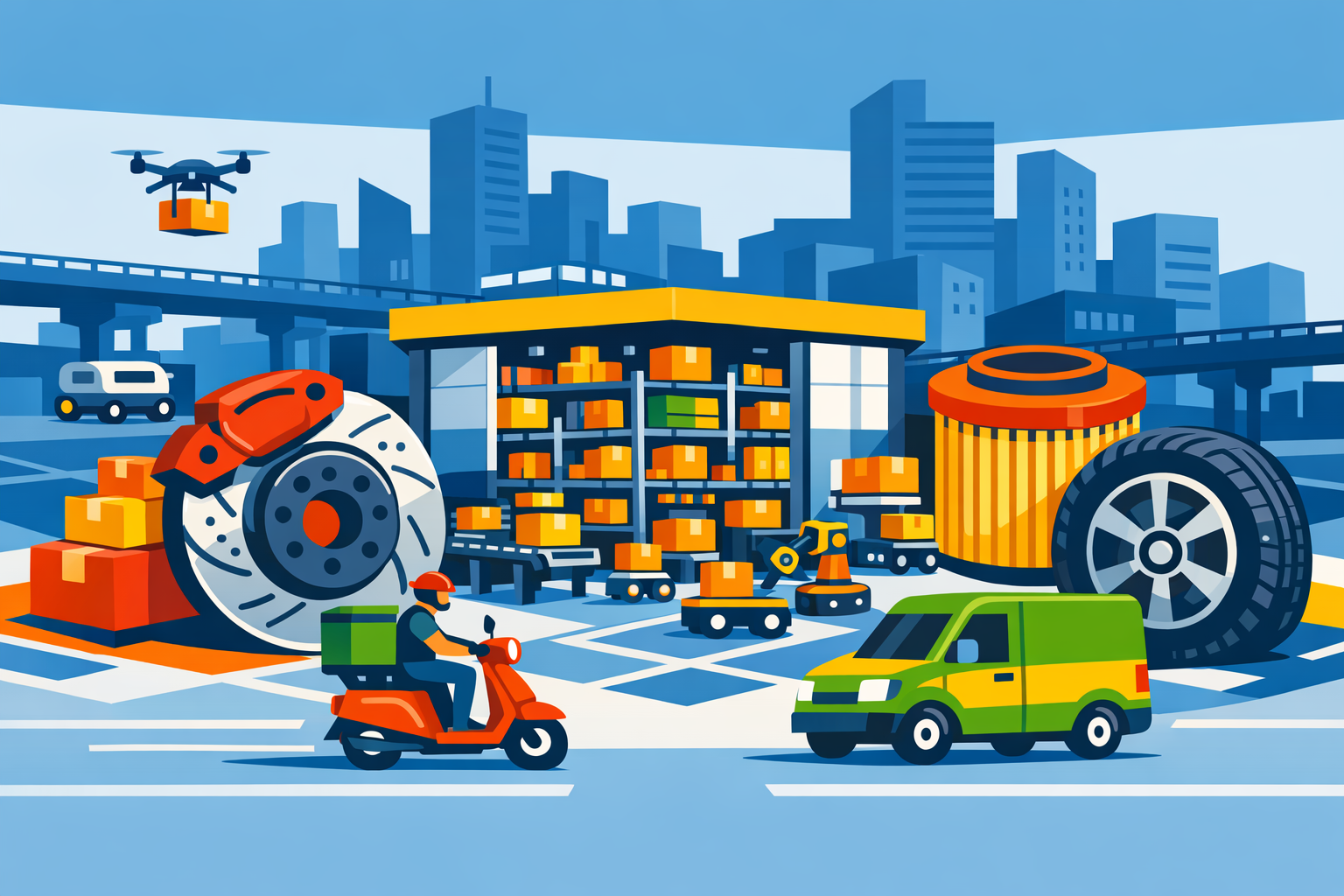
Retailers and e-commerce platforms are increasingly establishing small automated warehouses near residential markets where high consumer demand generates significant parcel volumes. These micro-fulfillment facilities allow logistics providers to store frequently purchased products close to consumers, enabling same-day and rapid delivery within urban regions. Automated inventory management systems and robotics-based warehouse technologies further improve operational productivity inside these compact distribution centers.[2]
Packaging formats for spare parts are also evolving. The Brazil automotive parts packaging market reached USD 147 million in 2024 and is forecast to grow at a CAGR of 3.45% through 2033, according to IMARC Group. Suppliers and manufacturers are turning to sustainable materials-including biodegradable and recyclable options-to meet higher environmental standards. Corrugated packaging, both sustainable and durable, is increasingly used to protect auto components. The shift toward reusable packaging systems reduces waste and offers cost-saving, long-term alternatives.
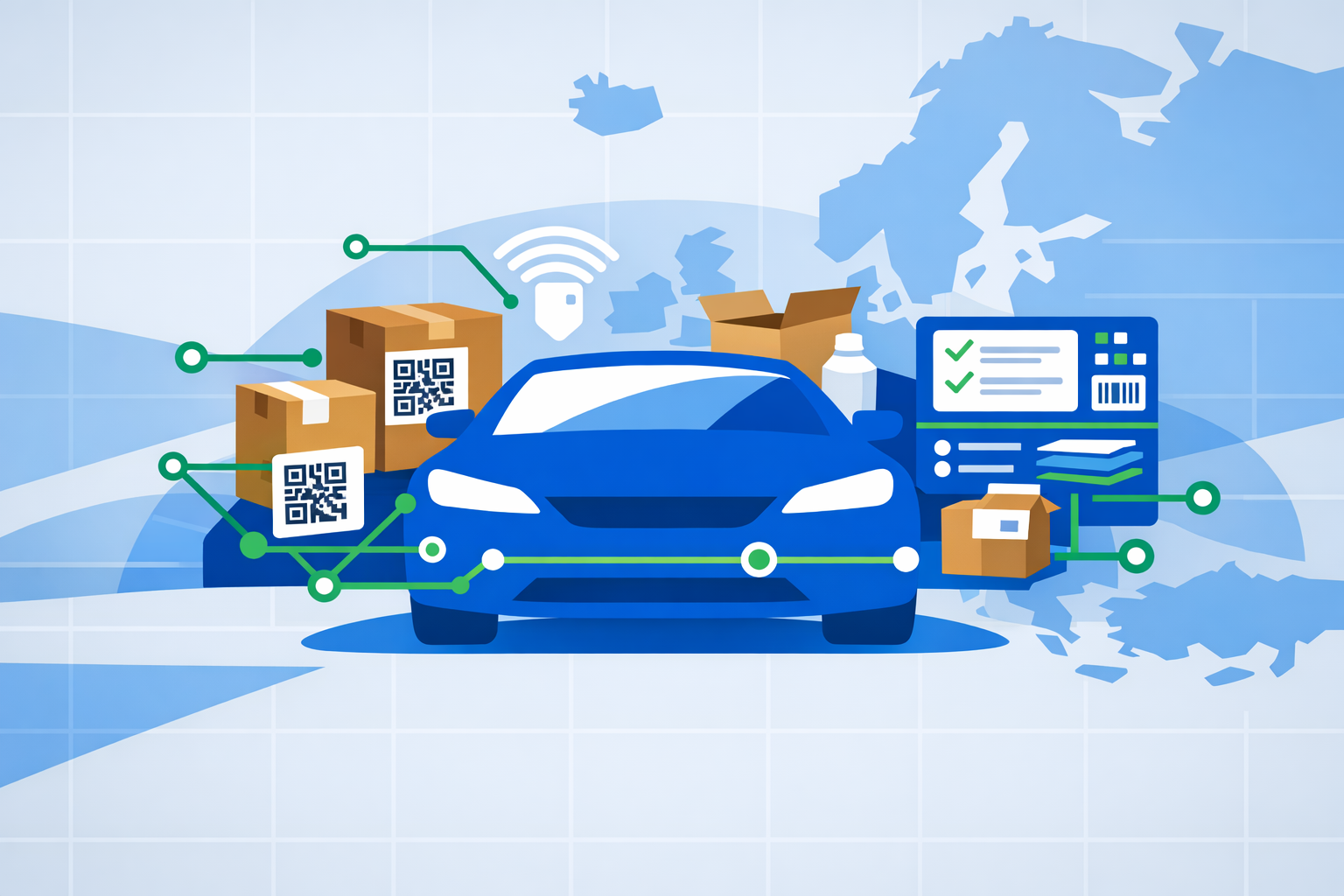
Logistics models are moving toward decentralized, multi-node inventory networks supported by advanced forecasting and predictive analytics. The rise of direct-to-site deliveries, service part pooling, and forward stocking locations is shortening response times and improving last-mile fulfillment. Integration of warehouse automation, smart packaging, and RFID-enabled traceability is bringing new levels of accuracy to high-mix, low-volume parts handling.
Regulatory and Infrastructure Pressures
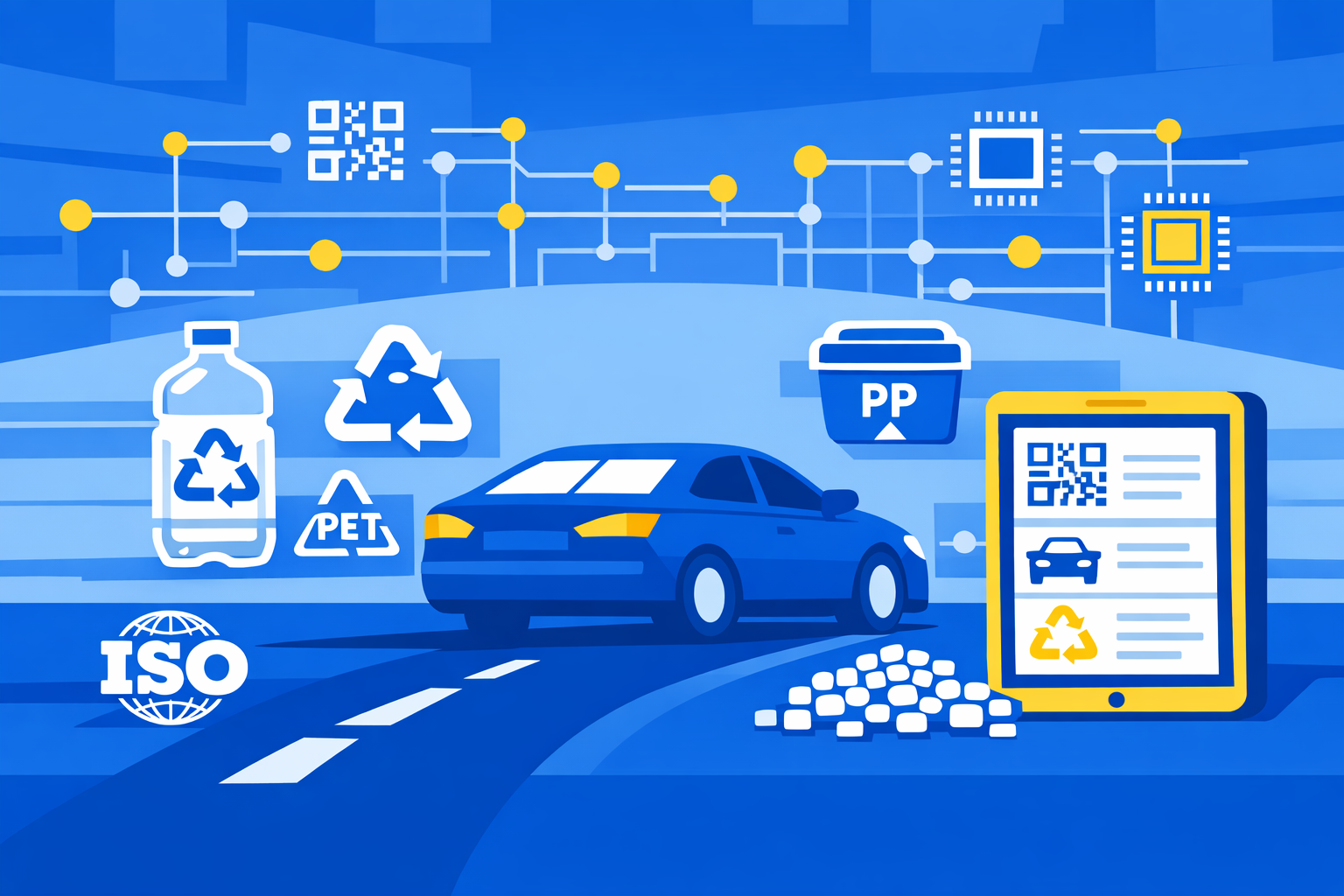
Brazil's regulatory environment is adding compliance complexity for packaging-intensive supply chains. In October 2025, President Luiz Inácio Lula da Silva issued Decree No. 12,688, establishing mandatory reverse-logistics systems for plastic packaging and regulating minimum recycled content requirements. The decree affects the automotive sector alongside fast-moving consumer goods and electronics. Recovery targets take effect in January 2026, starting at 32% and rising progressively to 50% by 2040. Recycled content targets begin at 22% in 2026 for large companies, increasing to 40% by 2040.
Infrastructure constraints remain a structural barrier. Brazil's expansive territory and uneven infrastructure quality raise delivery costs and extend transit times, particularly in rural and northern regions. High fuel prices and limited distribution hubs outside major cities strain operational margins. Regulatory complexity across states further complicates routing and compliance, requiring adaptable logistics strategies. Port modernization-including dredging at Santos and expanding container terminals-is contributing to faster turnaround times and improved multimodal capabilities, though analysts note that port-to-city corridor gaps persist.
Outlook
In April 2025, Mercado Libre announced plans to invest 34 billion reais (approximately USD 5.8 billion) in Brazil, a 48% increase from its 2024 investment of 23 billion reais. Broader logistics sector investment is following a similar trajectory. Brazil's logistics sector is estimated to grow by 5%, supported by significant investment in transportation networks, with the government allocating approximately BRL 9 billion for infrastructure improvements including roads and ports. For packaging engineers and supply chain directors, the convergence of micro-fulfillment buildouts, tightening packaging regulation, and rising digital inventory requirements will make operational alignment across port-to-consumer corridors a strategic priority through the remainder of the decade.