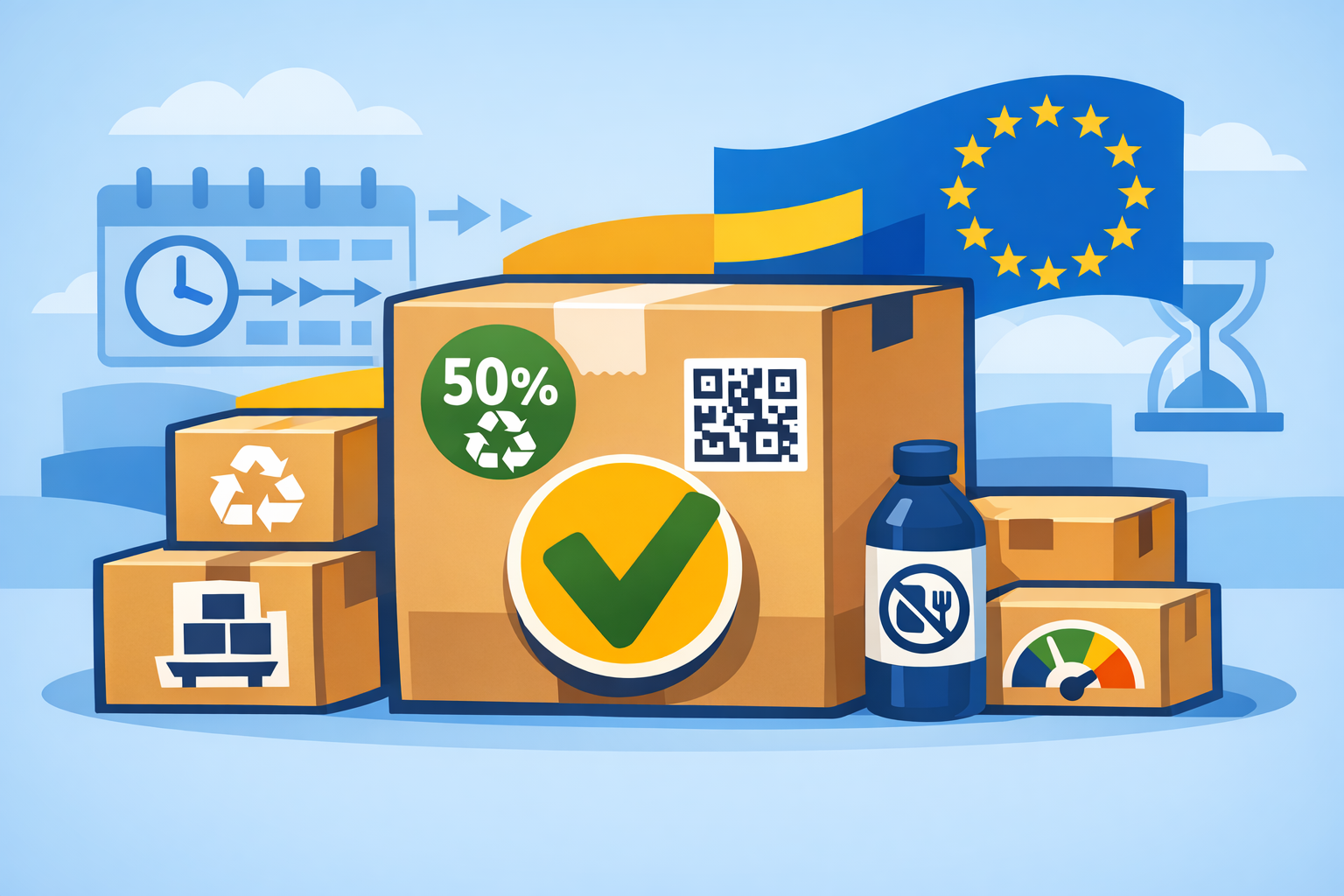
The European Union's Packaging and Packaging Waste Regulation (PPWR) has shifted sustainable packaging from a voluntary initiative to a binding legal obligation across the industry. Entering into force on February 11, 2025, the regulation applies throughout the EU starting August 12, 2026, introducing enforceable sustainability requirements for packaging. All economic actors-including manufacturers, importers, distributors, online marketplaces, and fulfillment service providers-are now responsible for full lifecycle compliance. Failure to comply may result in fines, exclusion from the market, and operational challenges across the 27-member bloc.
Background
The PPWR replaces the previous EU Packaging Directive, establishing a unified regulatory framework focused on sustainability, circularity, and waste reduction throughout the European Union[1]. The regulation sets targets for recyclability, minimum recycled content, and packaging minimization, phased in with deadlines through 2040[2]. Germany supplements the EU measures with its Packaging Act, which imposes fines up to €200,000 per violation and immediate sales bans for non-compliance, signaling strict enforcement in Europe's largest market[3].
Details
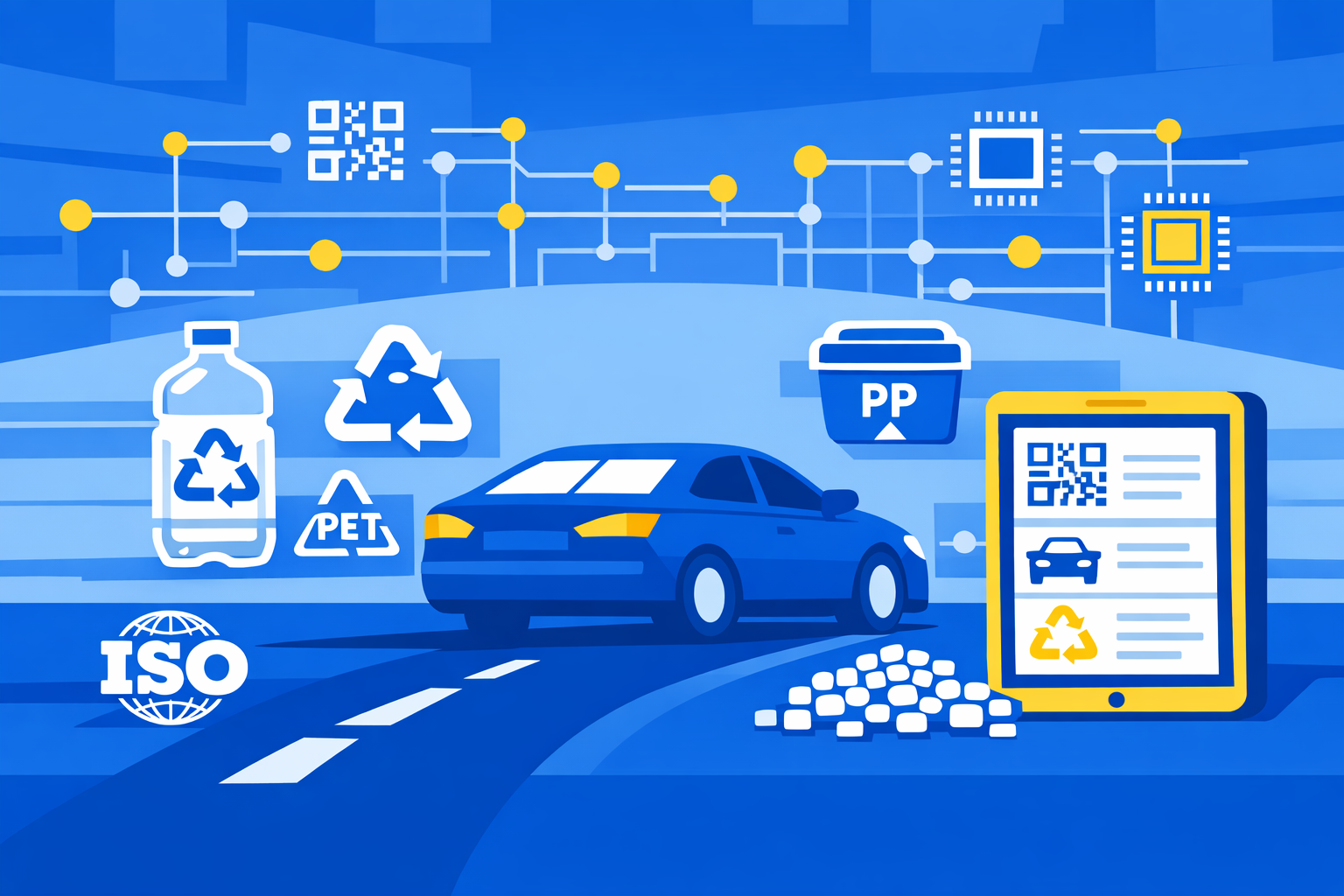
From August 12, 2026, all packaging-including e-commerce parcels-must meet design and space-efficiency standards, such as a maximum 40 percent empty space threshold unless technically unavoidable[4]. By 2030, packaging must comply with recyclability grades and minimum recycled content requirements (e.g., 30 percent for single-use plastic bottles rising to 65 percent by 2040) and reduce unnecessary materials[5]. The legislation also introduces digital labeling requirements from 2027 (QR-code environmental data), a centralized EU packaging registry by 2029, and rigorous market surveillance, emphasizing the need for compliance[6]. Non-compliant packaging may be banned from the EU market, and member states are required to adopt effective penalties by February 2027[7].
Outlook
With binding requirements approaching, packaging and supply chain leaders must intensify compliance efforts and foster interdisciplinary collaboration. Executive teams should bring together sustainability, procurement, design, legal, and logistics departments to align packaging strategies with regulatory deadlines. Early adaptation is critical to manage redesign costs, ensure market access, and avoid significant penalties.