From 2026, EU packaging regulations will require environmental claims to be scientifically verified, affecting brand messaging, supplier verification, and digital traceability across supply chains. Directive (EU) 2024/825-also known as Empowering Consumers for the Green Transition (EmpCo)-mandates that claims such as "climate neutral," "recyclable," or "biodegradable" be validated by independent third-party certification before appearing on EU packaging. Member states must transpose EmpCo into national law by March 2026, ahead of its full application on September 27, 2026[1].
Background
The policy aims to combat greenwashing by grounding sustainability claims in verifiable evidence. Previous court rulings, including Germany's Federal Court of Justice in 2023, have already indicated the need for scientific substantiation[2]. The broader Packaging and Packaging Waste Regulation (PPWR), effective August 12, 2026, further supports digital transparency, mandating harmonised labelling and digital product passports for material composition and environmental attributes[3].
Details
Under EmpCo, vague or general environmental claims must be supported by objective evidence and may only be used if verified by third-party certification schemes. Claims without transparency or scientific documentation will face restrictions or legal action[1]. Companies using self-created seals must transition to recognised schemes that meet requirements for open access, transparent standards, and independent assessment[1].
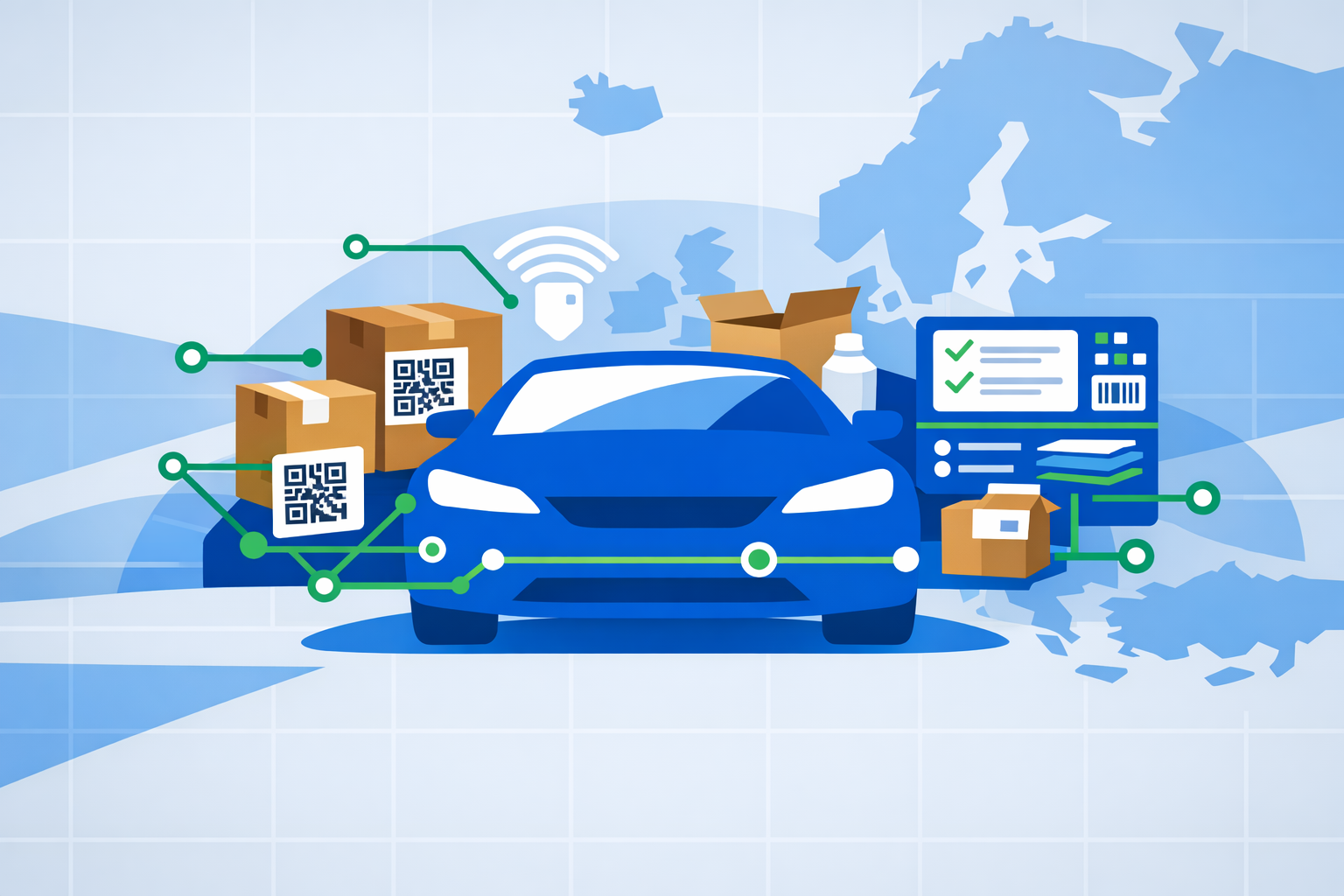
PPWR introduces digital compliance measures, including QR-coded digital product passports for packaging. Brands must integrate packaging data-such as material layers, recyclability, supplier certificates, lifecycle assessments, and chain-of-custody documentation-using visible or scannable labels that align with digital standards[3]. Non-compliance may result in recalls, fines, or market withdrawal[4].
Third-party verifiers, including UL Solutions, provide Environmental Claim Validation (ECV), product carbon footprint (PCF) verification, lifecycle assessments (LCA), and Environmental Product Declarations (EPD), supporting independent substantiation for packaging claims[5]. SGS Green Marks certify attributes such as recycled content, compostability, or biobased materials, often linking certification to QR codes to enhance traceability[6].
Outlook
As enforcement dates approach, packaging and sustainability teams must synchronize artwork, regulatory compliance, and digital infrastructure. Companies are required to collect evidence trails-including certifications, LCA reports, supplier declarations, and digital identifiers-and integrate them into SKU-level packaging data archives. Prepared organizations will be better positioned to avoid legal risks and maintain market access in a changing compliance environment.