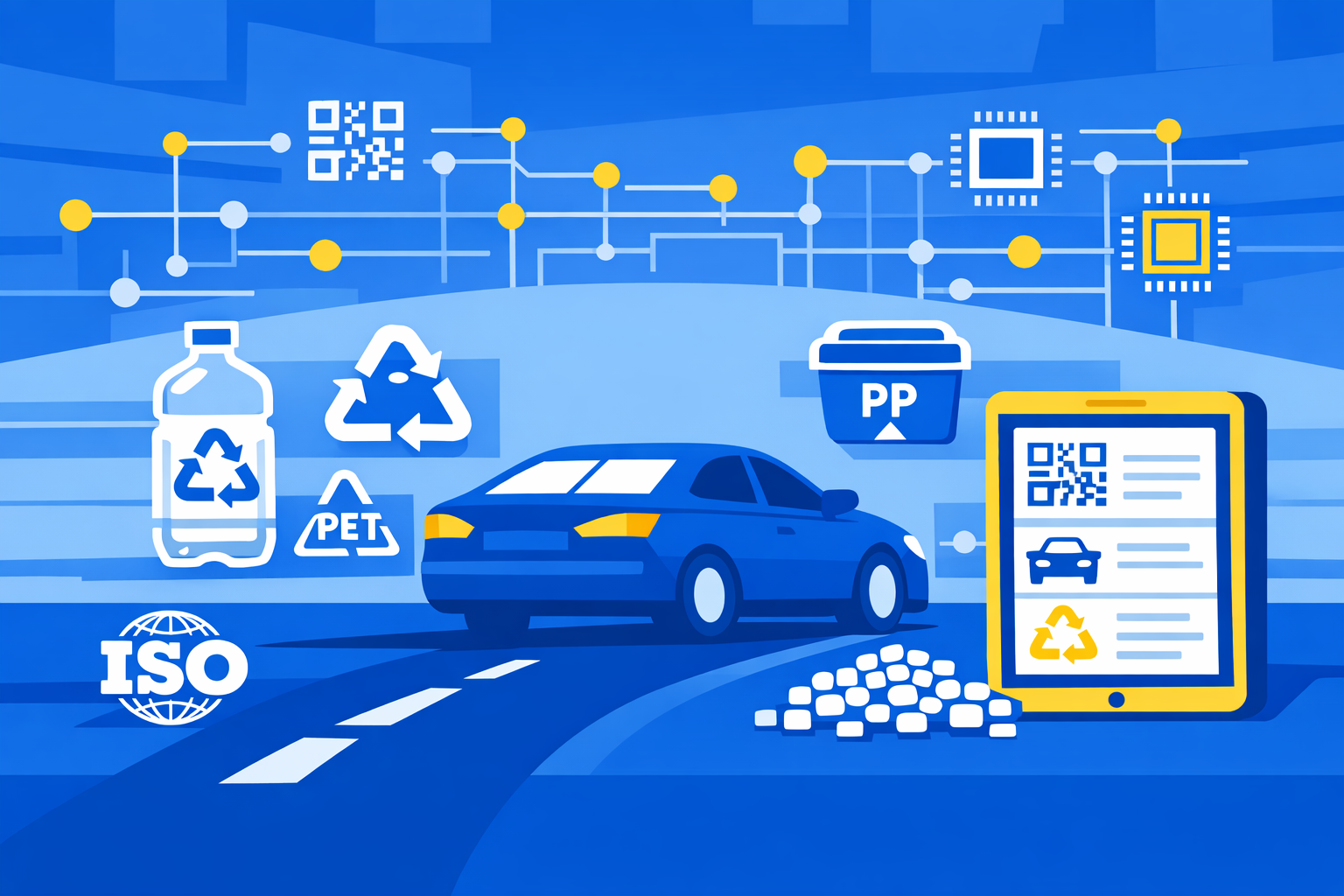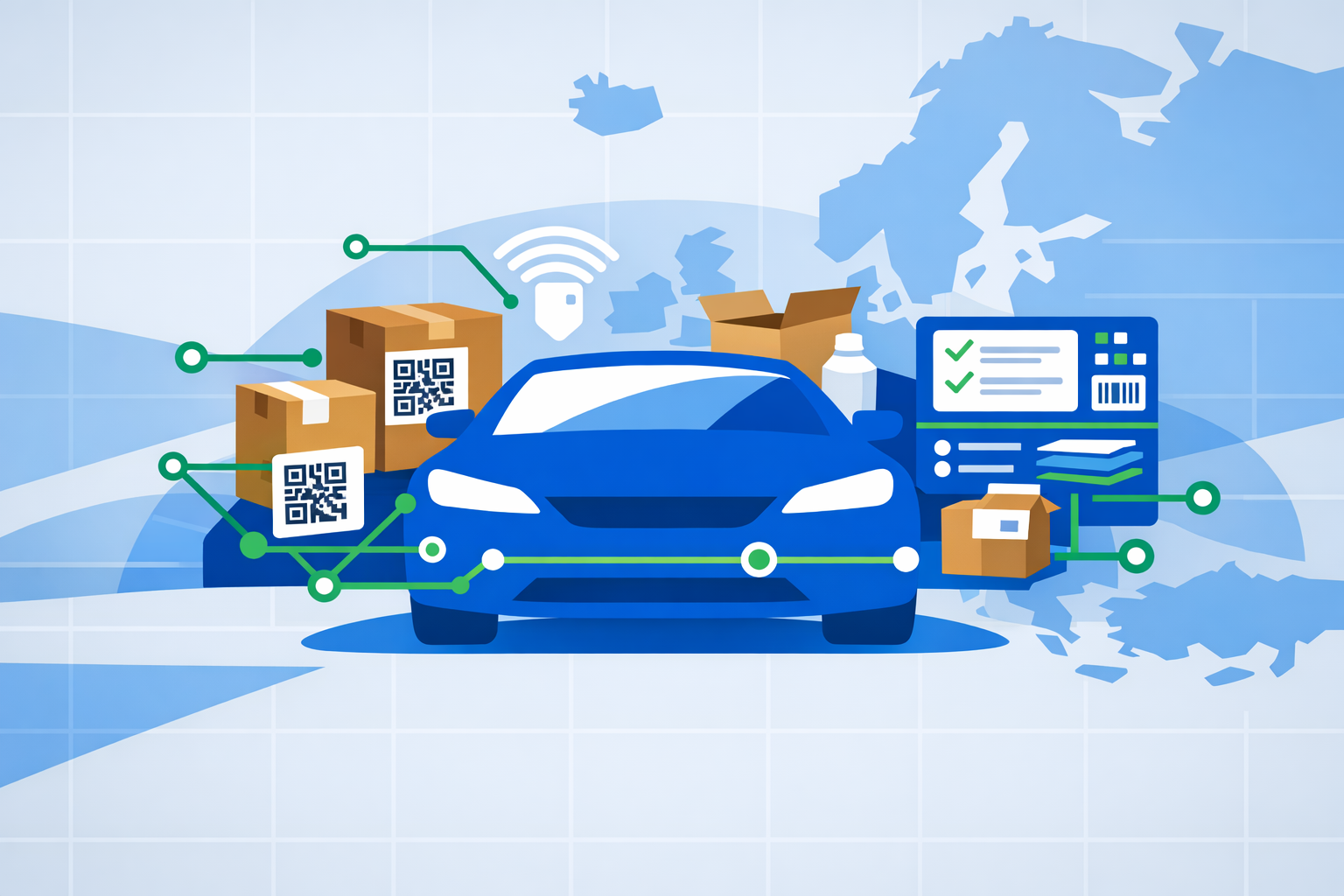
Artificial intelligence tools designed to automate recyclability certification are gaining traction in automotive packaging supply chains as manufacturers race to meet obligations under the EU's Packaging and Packaging Waste Regulation ahead of its August 2026 enforcement date. The convergence of regulatory pressure, fragmented supplier data, and the scale of automotive packaging portfolios is driving adoption of AI-powered platforms that can compress compliance timelines and generate verifiable recyclability claims.
Background
The EU Packaging and Packaging Waste Regulation (PPWR), Regulation (EU) 2025/40, entered into force on 11 February 2025 and will generally apply from 12 August 2026. The regulation establishes binding recyclability performance grades for all packaging placed on the EU market, with the European Commission set to introduce an A-E grading scale through delegated acts. From 1 January 2030, all packaging must be designed for material recycling, and from 1 January 2038, all packaging must achieve recyclability performance grade A or B.
For the automotive sector, the compliance challenge is acute. A PPWR sentiment index compiled by Fraunhofer IML, Logistikbude, and Initiative Mehrweg in 2025 found that almost every second company overestimates its state of preparation, with only around 10% having created the structural foundations required for compliance. These foundations include clearly defined responsibilities, a reliable packaging data basis, and documented measures-requirements difficult to meet when material composition data is scattered across supplier systems.
The PPWR requires manufacturers to issue an EU declaration of conformity and maintain technical documentation covering material compositions, additive information, and recycling assessments for each packaging type. According to Dr. David Strack of greentech company Susy, "many companies have relevant information - often just not in a form that can be compiled into a reliable DOC," adding that packaging portfolios change continuously as new suppliers and adjusted formulations can invalidate existing declarations.
Details
AI-powered platforms are emerging to address this compliance gap. In October 2025, data management software company GCurv launched Packgine, an enterprise-level AI sustainability platform designed to automate global packaging compliance, providing brands with instant lifecycle analytics and automated reporting for EPR regulations. GCurv states that Packgine can reduce approval times for new packaging from months to days by centralizing data and automating complex processes, drawing on a curated database of more than 25,000 packaging materials.
AI is also being applied to recyclability traceability in supplier audit workflows. Certification platform Eco2Veritas uses AI to trace recycled content and waste management practices, providing what its developers describe as objective, non-duplicable certificates that allow buyers to verify material flow data directly. According to the company, a lack of traceable recycled content transparency persists in part because "there is no traceability in the market right now," but that government and EU regulatory pressure will begin to change this within five years.
SAP's Responsible Design and Production module, updated in February 2026, is developing AI-driven recyclability assessments using real product shipment data, and is also working on Article 5 declaration of conformity capabilities ahead of PPWR application. The platform integrates with existing ERP infrastructure to embed recyclability and EPR compliance directly into core production processes.
Automotive-specific certification frameworks are also advancing. RecyClass publishes specific Design for Recycling Guidelines for Automotive and Electrical and Electronic Equipment (EEE) packaging, with its recyclability certification audit scheme, published in March 2025, requiring verification of packaging across collection, sorting, and recycling stages before any recyclability claim can be made. A Consumer Goods Forum report on packaging circularity, developed with Bain & Company, found that 70% of companies assert that AI can have the biggest impact in the design of plastic products.
Extended producer responsibility regulations are compounding the data challenge. According to Jessie Schwartz, President of Strategic Packaging Partners, packaging data "is not stored and traceable in the same way ingredient data is; it's usually quite disorganized," with most ERP systems lacking a dedicated packaging module.
Outlook
The PPWR will require digital labelling - including QR codes linking to structured environmental information on material composition and recyclability - from 2027, and from 2030, minimum recycled plastic content thresholds of between 30% and 65% will apply depending on packaging category. For automotive OEMs and their tier suppliers, these milestones will elevate AI-assisted recyclability certification from an optional efficiency tool to an operational necessity. Industry experts cited by Automotive Logistics indicate that purchasing functions will become the decisive lever in translating packaging requirements into supplier specifications, with companies that delay preparation facing significant compliance risk in supply chains characterized by long development cycles.
Related reading: Auto Supply Chains Embrace Ocean-Plastic Packaging as Certifications Tighten | Cross-Industry Recyclability Standards Expand into Automotive Packaging