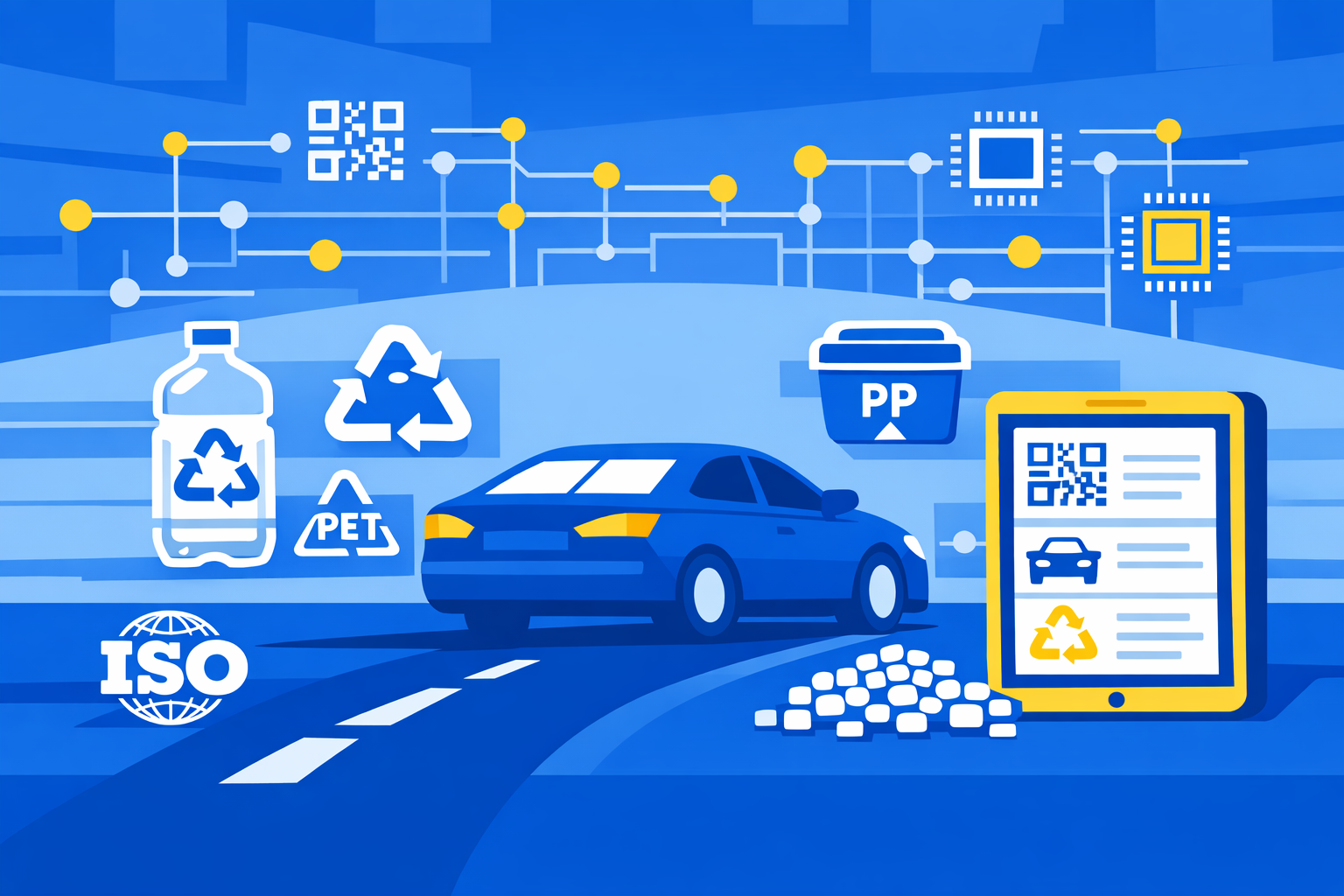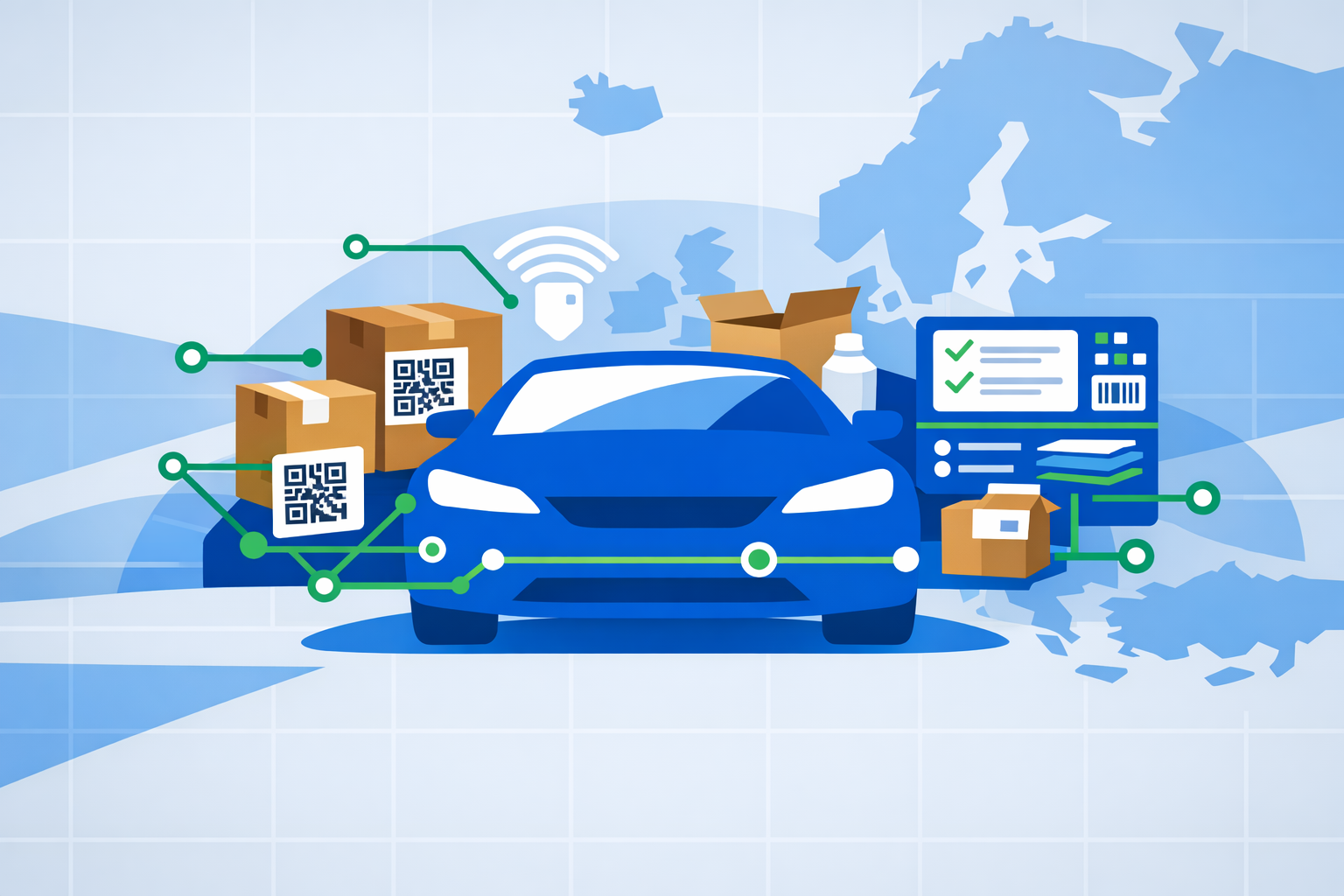
A growing number of automotive OEMs and Tier 1 suppliers are piloting decentralized, automated packaging kiosks at or near urban distribution points as the sector works to cut last-mile carbon emissions ahead of tightening regulatory deadlines. The pilots position on-site automated packaging - integrating AI-based materials sorting, right-sizing technology, and closed-loop reuse systems - as a practical alternative to centralized packaging flows that generate disproportionate transport emissions.
Background
Last-mile delivery remains the most carbon-intensive segment of the automotive supply chain relative to distance traveled. In major cities, last-mile delivery contributes nearly 30% of logistics-related CO₂ emissions, driven by stop-and-go driving, idle time in traffic, and repeated delivery attempts. Without intervention, urban last-mile delivery emissions are projected to rise by more than 30% across the top 100 cities globally by 2030, according to research from McKinsey and the World Economic Forum.
The automotive sector compounds this challenge. An average production automobile has 30,000 parts and tens of thousands of associated packages throughout the vehicle's life cycle, according to the Automotive Packaging Summit. OEMs and Tier 1 suppliers running just-in-time supply chains require a continuous flow of precisely packaged components, most of which originate from centralized facilities and travel long inbound routes before urban consolidation.
A major regulatory shift is also reshaping packaging practices across automotive supply networks in Europe. The EU Packaging and Packaging Waste Regulation (EU) 2025/40 (PPWR) entered into force on 11 February 2025 and will generally apply from 12 August 2026, according to the European Commission. The PPWR's goals include making all packaging reusable or recyclable by 2030 and imposing binding obligations across the entire value chain, covering recyclability, mandatory recycled content, reuse systems, and packaging minimisation. For OEMs with multi-country supply networks, the regulation introduces complex cross-border standardization requirements for packaging data and material traceability.
Details
The decentralized packaging kiosk concept places automated packaging units at urban micro-hubs, supplier facilities, or dealer consolidation points, enabling components to be packaged or repackaged locally rather than at distant central warehouses. The model directly reduces vehicle-miles traveled by eliminating the need for pre-packaged component shipments to pass through multiple consolidation stages before reaching an assembly line or service point.
The global decentralized packaging kiosks market is projected to grow from USD 1.2 billion in 2025 to USD 2.4 billion by 2035, registering a compound annual growth rate of 7.2%, according to Future Market Insights. Automated kiosks are expected to hold a 39.7% share of that market in 2025, while cloud-connected systems are projected to account for 37.8%. Growth is led by retail and manufacturing automation, with the automotive sector among the core application categories.
The technology stack under evaluation in current pilots typically combines AI-driven materials sorting to route returnable packaging back into the supply loop, sensor-based right-sizing to minimize void fill and shipping volume, and IoT connectivity for real-time packaging data capture. Smart packaging solutions equipped with sensors can monitor temperature, humidity, and shock exposure, helping manufacturers protect sensitive automotive components while optimising logistics and reducing fuel consumption, according to packaging industry analysts. The integration of IoT devices, blockchain technology, and artificial intelligence is expected to enable real-time tracking, monitoring, and optimization of packaging throughout the automotive supply chain.
On reusable packaging, closed-loop solutions using reusable crates, pallets, and dunnage allow packaging to be returned, cleaned, and reused multiple times, reducing waste, lowering long-term costs, and ensuring consistency in packaging dimensions - an important advantage for OEMs and Tier 1 suppliers. A case documented by Nefab, a Swedish packaging engineering firm, showed that a battery manufacturer was able to save hundreds of thousands of dollars through repurposed packaging while keeping thousands of cubic yards of waste out of landfills.
For carriers and 3PLs integrated into automotive supply networks, localized kiosk infrastructure also has implications for load optimization. Consolidating packaging at the point closest to final delivery increases fill rates and reduces partial-load journeys - one of the most persistent inefficiencies in urban logistics. Studies suggest that cargo bikes and other micromobility solutions have the potential to replace over half of urban van deliveries, often achieving faster delivery times in congested city centers, creating further integration opportunities for localized packaging nodes paired with low-emission last-mile transport.
Outlook
The PPWR's staggered compliance timeline means automotive packaging operations in Europe face near-term decisions. From January 2030, only packaging with recyclability grades A through C may be marketed under EU rules, and minimum recycled content thresholds for plastic packaging will apply. Pilot programs for localized kiosk networks now underway must demonstrate data-sharing protocols compatible with the PPWR's traceability and digital labelling requirements - a particular challenge for multi-country supply chains where packaging data has historically been siloed by plant or carrier. Industry observers note that governance, regulatory coordination, and infrastructure readiness have been identified as decisive factors for the deployment of decentralized delivery and packaging technologies in European pilots, underscoring the need for coordinated OEM, supplier, and logistics provider engagement well before the 2026 application date.