EU packaging waste reached 186.5 kg per person in 2022, with only 41% of plastic packaging recycled. Against that backdrop, European regulators have moved decisively to close the data gap - and automotive packaging is now squarely in the crosshairs.
The convergence of two major EU frameworks - the Packaging and Packaging Waste Regulation (PPWR)[1] and the Ecodesign for Sustainable Products Regulation (ESPR)[2] - imposes new obligations on automakers and their suppliers to verify, document, and digitally disclose recycled-plastic content in their packaging. For supply chain directors, packaging engineers, and procurement leads operating in EU markets, the window to prepare is narrowing.
What the Digital Product Passport Actually Requires
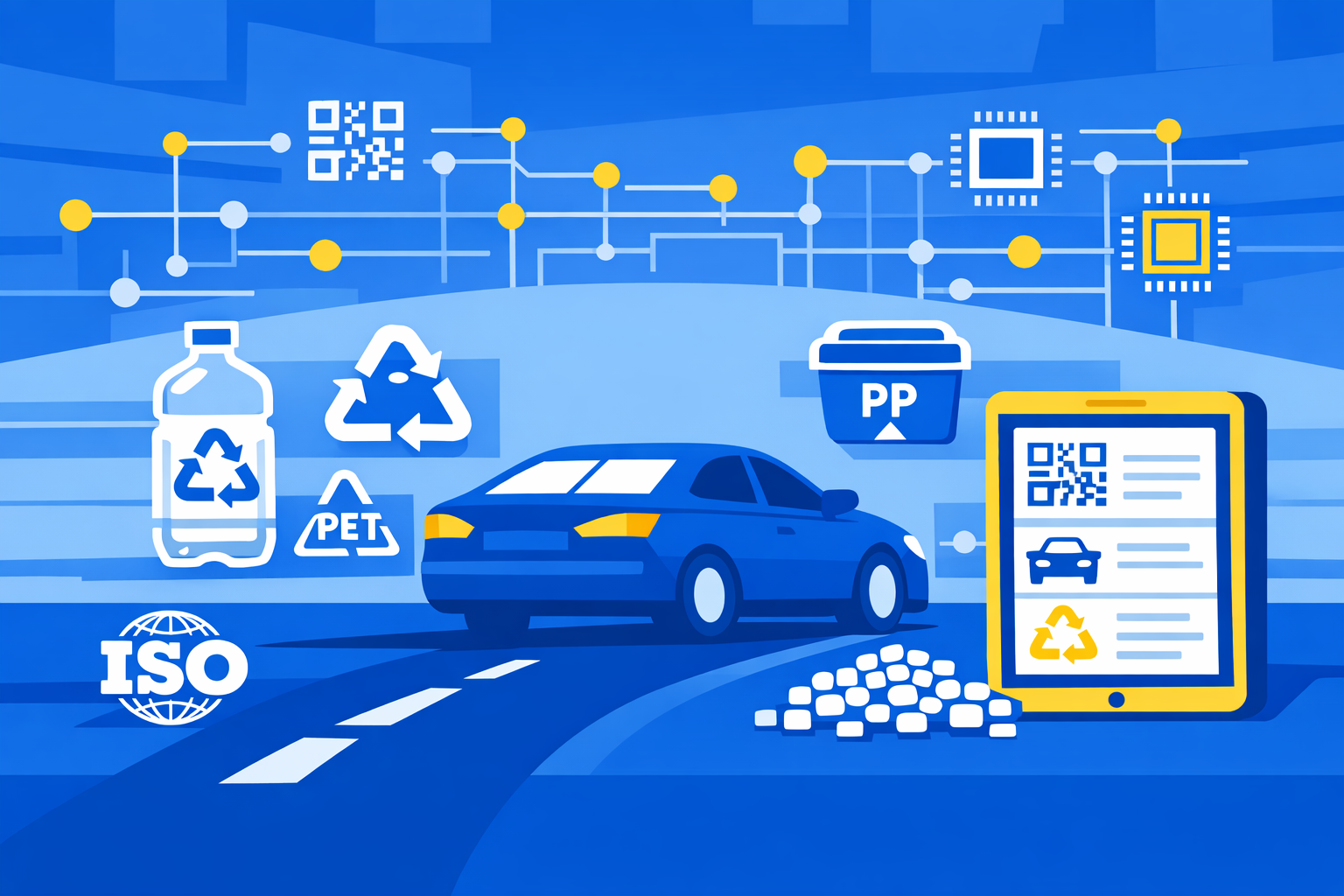
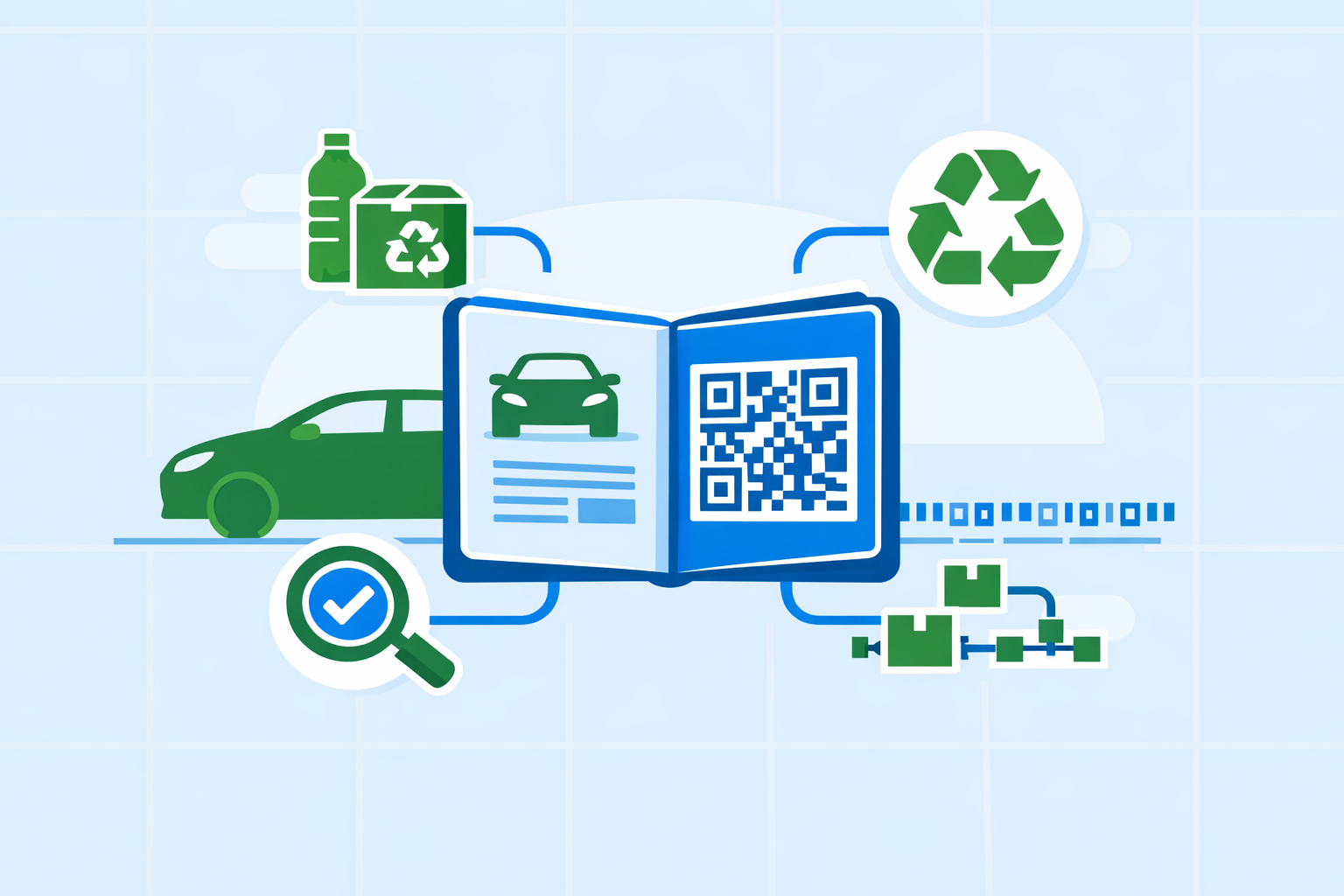
A Digital Product Passport (DPP) is a "digital identity card" that accompanies every product, component, or material marketed in the EU. Using a data carrier such as a QR code, barcode, or electronic tag, the system stores data on a product's origin, materials, manufacturing processes, use and maintenance, and end-of-life management - including repair, recycling, or disposal.
The DPP is a digital data container designed to enhance transparency, traceability, and circularity by providing standardised, product-specific sustainability and lifecycle data. Critically, that data must be verified - not simply declared.
Under the Ecodesign for Sustainable Products Regulation, packaging firms must provide structured, machine-readable data on materials, recyclability, and supply chain origins. The DPP follows ISO/IEC 15459:2015 standards to ensure consistency, quality, and global interoperability. All information must be based on open standards, making it searchable and compatible with digital systems.
How the PPWR Targets Automotive Packaging
In December 2024, the European Union adopted the Packaging and Packaging Waste Regulation (EU) 2025/40, replacing the former Packaging Directive (94/62/EC). The PPWR is a directly applicable EU regulation establishing a harmonised legal framework for all packaging placed on the EU market, aiming to reduce packaging waste and promote reuse, recyclability, and supply chain transparency.
The regulation took effect on 11 February 2025 and will apply after an 18-month transition period beginning 12 August 2026. For the automotive sector, this means transport packaging - from protective foam and plastic wrapping used on components to corrugated and composite materials shipped across EU borders - falls under the full scope of the regulation.
Recycled Plastic Content Thresholds
The PPWR introduces binding minimum recycled content requirements for plastic packaging that increase over time. By 2030, minimums include 30% for PET contact-sensitive packaging, 10% for other contact-sensitive plastics, 30% for single-use beverage bottles, and 35% for other plastics. By 2040, these targets escalate significantly - reaching 65% for single-use beverage bottles and other plastics.
For most automotive protective and transport packaging - which falls into the "other plastics" non-food-contact category - the 35% minimum recycled content threshold applies from 2030, with escalation to 65% by 2040.
The Verification Burden
Declaring recycled content is not sufficient. Compliance requires verifiable material traceability. Companies must substantiate recycled content claims through documented supply chain evidence, not marketing assertions. This introduces new data management and supplier engagement obligations, particularly for businesses sourcing packaging globally.
The certification burden is real. Manufacturers must demonstrate that recycled inputs are traceable and segregated, especially when using production scraps rather than post-consumer waste. Increased documentation, auditing, and testing will be required.
Accepted third-party certification frameworks for recycled plastics traceability include RecyClass - aligned with EN 15343 standards - and EuCertPlast. Physical and chemical analysis of polymer properties, rather than reliance on generic chemical markers, is used to verify whether materials are genuinely derived from recycled sources or virgin polymers and to quantify recycled content in blends.
The Digital Passport Timeline: What Automakers Must Track
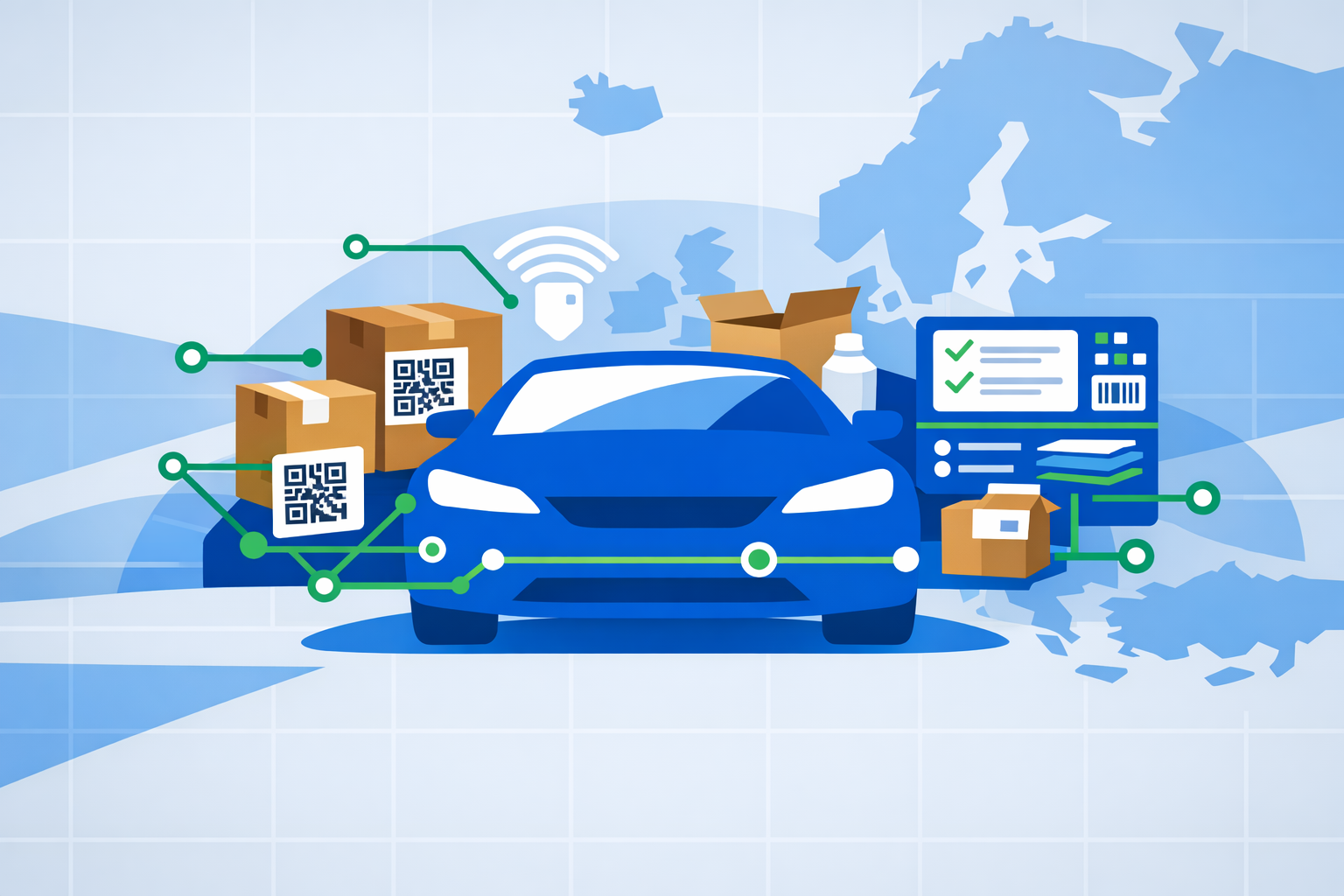
From 2027, packaging must carry digital identifiers such as QR codes linking to structured environmental information, including material composition, recyclability, and reuse details. This is the point at which recycled-plastics data must be machine-readable and accessible to downstream users, market surveillance authorities, and regulators.
The first live DPP precedent in the automotive sector arrives earlier. The Battery Passport under Regulation (EU) 2023/1542 mandates digital data requirements for certain battery types from 18 February 2027, requiring documentation on carbon footprint, recycled content, and supply chain due diligence. This pilot previews the data architecture automakers will need to replicate across all regulated packaging formats.
By approximately 2030, the ESPR's DPP scope is expected to extend to packaging, meaning virtually every piece of packaging sold in Europe will require a digital identifier. For the European packaging sector, digital product passports signal a structural shift toward data-driven compliance. Companies will need systems capable of collecting, validating, and sharing detailed material data across multiple supplier tiers.
| Deadline | Obligation | Who Is Affected |
|---|---|---|
| Feb 2025 | PPWR enters into force | All packaging on EU market |
| Aug 2026 | PPWR general application; packaging design/material efficiency rules | All EU market participants incl. automotive OEMs |
| Dec 2026 | Commission implementing act on recycled content verification methodology | Plastics packaging manufacturers |
| Feb 2027 | Battery Passport mandatory for automotive/industrial batteries | EV and industrial battery manufacturers |
| 2027 | Digital identifiers (QR codes) mandatory on packaging | All regulated packaging incl. automotive |
| Aug 2028 | Harmonised recycled-content labels required on-pack | Plastic packaging producers |
| 2030 | Min. recycled content thresholds enforced + DPP scope extends to packaging | All plastic packaging, virtually all EU sectors |
Supply Chain Traceability: The Multi-Tier Data Challenge
One of the most operationally complex aspects of DPP compliance is the depth of supply chain visibility it demands. Most brands currently have visibility only up to Tier 1 suppliers - those who directly supply recycled materials. Significant blind spots remain further down the value chain. Improving traceability enables firms to take informed action, safeguard their reputation, and build trust.
Companies are assessing how existing systems such as enterprise resource planning and product lifecycle management tools must be adapted to capture structured material and sustainability data. Smaller suppliers may face particular challenges meeting new data requirements, while larger manufacturers are already investing in digital infrastructure to integrate with customer and regulatory systems.
Interoperability is a further technical requirement. The DPP must work with other EU digital systems, including customs databases and platforms such as the European Chemicals Agency (ECHA).
For automakers with global supply chains, the cross-border dimension adds complexity. Non-EU companies shipping directly to EU consumers must appoint an authorised representative within the European Union - a new obligation that increases accountability for third-country sellers.
Six Steps for Automotive Packaging Compliance Teams
1. Conduct a full packaging material audit. Map every plastic format used across OEM and Tier 1/Tier 2 supplier operations. Identify current recycled content levels and gaps against PPWR thresholds.
2. Establish chain-of-custody documentation. Require certified chain-of-custody data from all recycled-plastic suppliers, aligned with recognised frameworks such as RecyClass or EuCertPlast (EN 15343).
3. Upgrade IT systems for structured data capture. Packaging suppliers must deliver recyclability assessments, recycled content verification, and technical documentation to support conformity - supply chain engagement is paramount.
4. Integrate digital identifiers. Plan for QR codes or RFID tags on transport and sales packaging by 2027. Recyclability grades, recycled content, material data, and substance information collected for PPWR conformity declarations are exactly the data fields the DPP will publish later.
5. Extend supplier engagement beyond Tier 1. Address blind spots in lower-tier supply chains before mandatory DPP reporting begins.
6. Monitor ESPR delegated acts. The DPP's adoption and implementation timeline is linked to product-specific delegated acts that will specify the information to be collected and made available. Designate a PPWR/DPP compliance owner to track Commission publications and adjust data infrastructure accordingly.
Looking Ahead
Non-compliance carries significant risk, including market exclusion across all 27 EU member states. For automakers and their suppliers, the DPP regime represents a structural change in how packaging is designed, sourced, and documented - not a one-time certification exercise.
The companies best positioned for this shift are those treating recycled-plastics data as a core supply chain asset today, rather than a compliance checkbox in 2029. For those already navigating adjacent regulation, coverage of EU reusable transport packaging mandates for automotive aftermarket parts and the broader PPWR compliance landscape provides additional context on the regulatory horizon.
Frequently Asked Questions
Does the Digital Product Passport currently apply to automotive packaging? Not yet as a binding DPP obligation. However, the PPWR applies from August 2026 and covers all packaging placed on the EU market - including automotive transport and protective packaging - and requires digital labelling by 2027. Full DPP scope extension to packaging is expected around 2030 under the ESPR.
What recycled plastic content targets apply to automotive packaging? From 2030, non-food-contact plastic packaging must contain a minimum of 35% recycled content, rising to 65% by 2040. Labels indicating the recycled share must follow specifications from 12 August 2028, or 24 months after the relevant implementing act enters into force.
How should automakers verify recycled plastic content? Compliance requires verifiable material traceability. Companies must substantiate recycled content claims through documented supply chain evidence, not marketing assertions. Third-party certification schemes aligned with EN 15343 - such as RecyClass - provide a recognised verification pathway.
What are the consequences of non-compliance? Failure to comply with PPWR rules on labelling, recycled content, or packaging design can result in severe penalties, including fines and market exclusion from the entire EU.
Is the Battery Passport relevant to automotive packaging compliance? Yes - as the first mandatory DPP in the automotive sector, the Battery Passport becomes mandatory for industrial and traction batteries above 2 kWh from February 2027. It documents a battery's entire lifecycle, from raw material extraction to recycling, and provides a practical blueprint for the data architecture automakers will need to scale across all regulated packaging categories.